


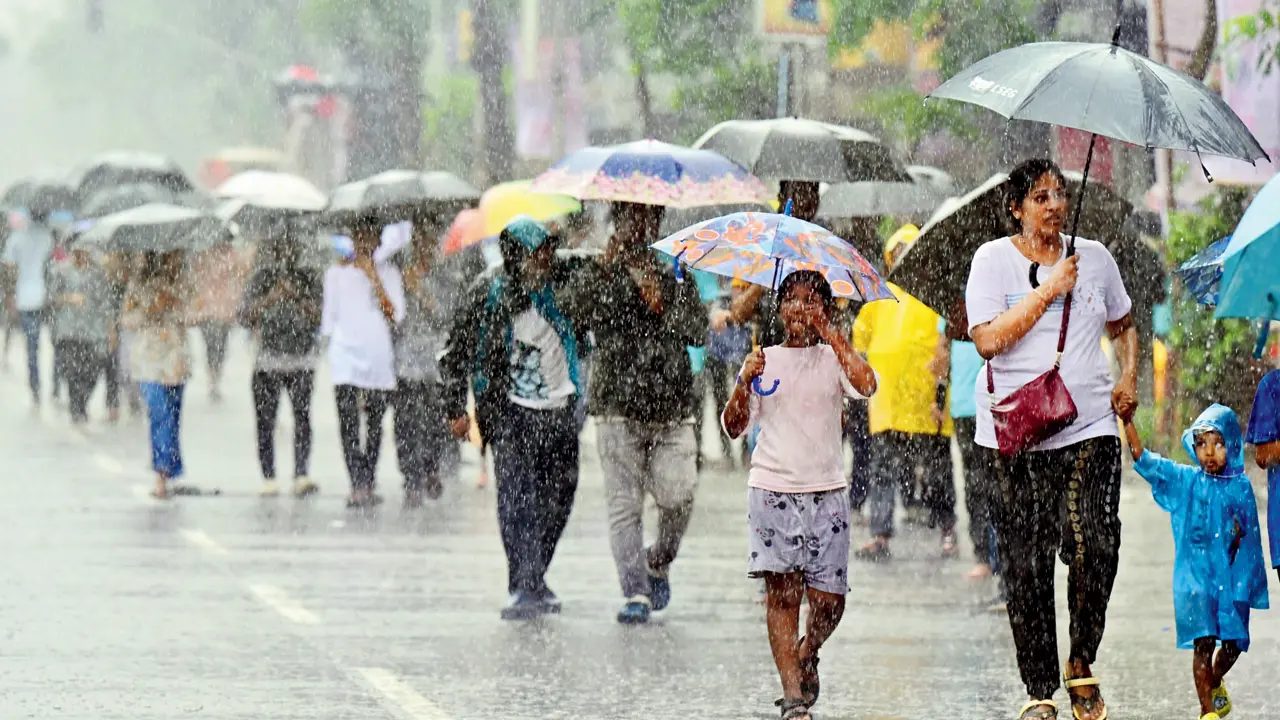
Mumbai is preparing for another week of turbulent weather after the India Meteorological Department (IMD) issued an orange alert warning of heavy rainfall and thunderstorms across the city and adjoining Konkan belt. The alert, which comes into effect from 25 September, is expected to intensify between 27 and 29 September, with moderate showers forecast for the early part of the week.
The weather bureau has cautioned that the rainfall pattern is linked to deepening monsoon activity over the Arabian Sea, a reminder of how climate variability is reshaping urban resilience in coastal cities. With rainfall likely to coincide with high tide periods, concerns are mounting over waterlogging and civic disruption in low-lying areas of Mumbai. The impact of the forecast is already visible in the city’s infrastructure calendar. The inauguration of the Navi Mumbai International Airport, earlier scheduled for 30 September, has been deferred to 30 October. Similarly, the commissioning of the much-anticipated Mumbai Metro Line 3 has also been postponed, with officials yet to finalise the new launch date. Both events were to be attended by national leadership, but authorities have cited safety and logistical challenges given the weather warnings.
Experts note that the delays underscore how extreme weather is increasingly influencing large-scale urban projects. While infrastructure is vital for mobility and economic growth, sustainable planning must consider weather disruptions as routine rather than exceptional. “Mumbai needs infrastructure timelines that are climate-resilient, not just cost-efficient,” observed one senior urban development official. Beyond urban centres, the rains have taken a severe toll on agricultural regions of Maharashtra. Farmer representatives have urged the state to declare a “wet drought” in districts where torrential rainfall has damaged standing crops. Preliminary estimates suggest losses are widespread, and experts warn recovery could take at least a year. Demands for compensation of Rs 30,000 per acre have been placed before the state, with officials expected to review relief mechanisms in the coming week.
The growing frequency of climate-related disruptions raises urgent questions for policy. For Mumbai, infrastructure delays serve as a reminder that mega projects cannot be viewed in isolation from ecological realities. For the state, agricultural distress highlights the need for robust crop insurance, disaster aid, and investment in sustainable farming practices. As the rains continue, Mumbai’s immediate focus will remain on ensuring mobility and safety, but the longer-term challenge lies in building a city that can withstand the shocks of a changing climate.
Also Read: Mumbai Air India Expands Domestic And International Network From NMIA
