


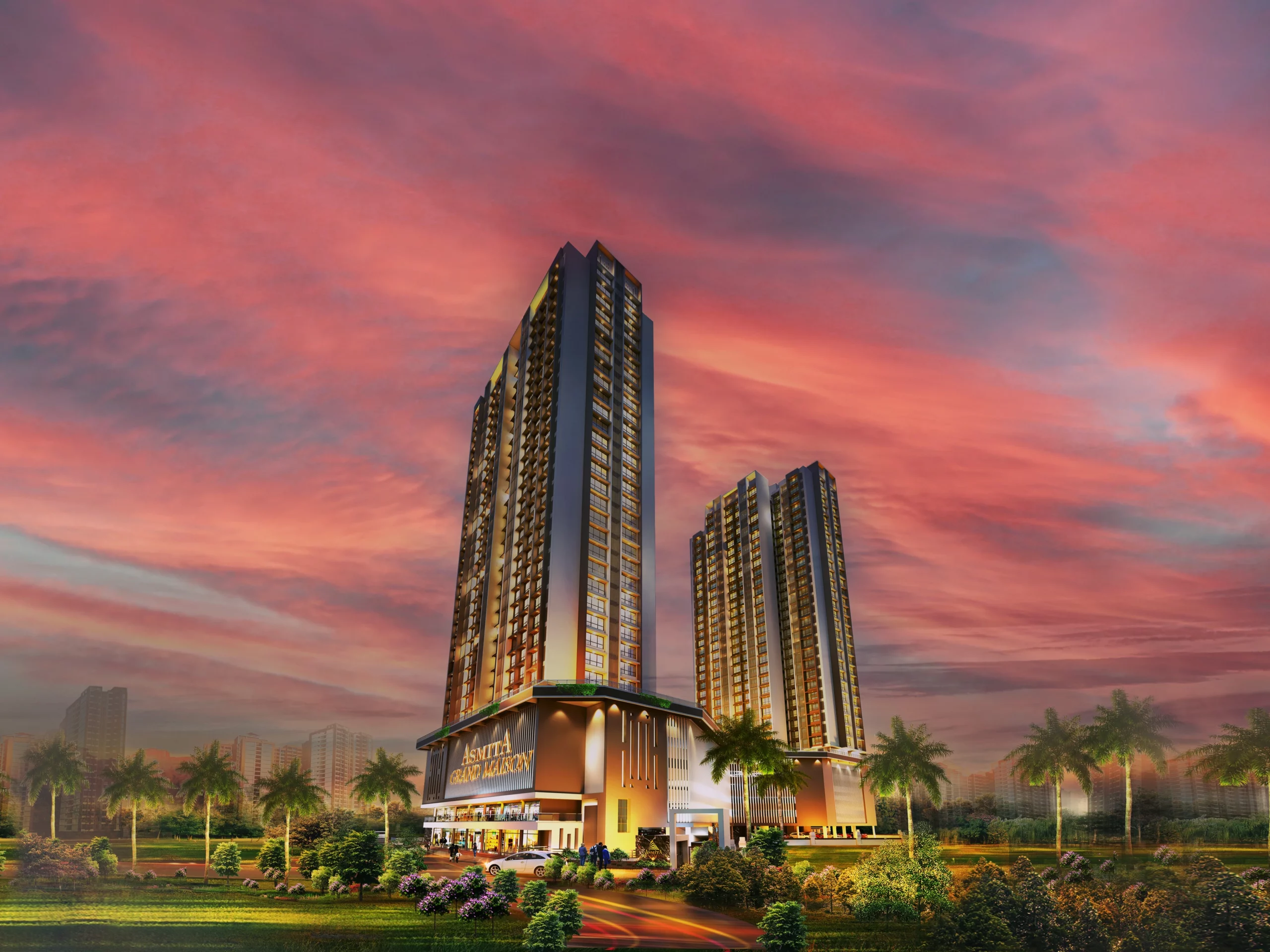
Mumbai reinforced its position as India’s most expensive residential market in 2025, as ultra-wealthy buyers channelled unprecedented capital into a small pool of marquee homes. Property registrations analysed by market intelligence platforms show that more than Rs 7,000 crore was spent on just over 50 ultra-luxury residences during the year, marking the strongest performance ever recorded for India’s high-end housing segment.
The surge matters beyond headline numbers. Concentrated demand at the top end is reshaping land values, redevelopment economics and the way India’s densest city allocates scarce coastal and central land. For planners and policymakers, it also highlights the growing divergence between luxury-led capital flows and the broader need for inclusive, climate-resilient urban housing. Mumbai alone accounted for nearly three-quarters of the total transaction value, underlining its dominance in Mumbai luxury housing. Most deals were concentrated in sea-facing neighbourhoods where redevelopment opportunities are limited and infrastructure upgrades have enhanced accessibility. Vertical living continues to define the city’s elite market, with buyers preferring high-rise residences offering privacy, views and proximity to business districts. Industry analysts point to a decisive shift in price benchmarks. Homes valued above Rs 200 crore were no longer outliers in 2025, signalling a recalibration of what constitutes “ultra-luxury” in Indian cities. The expansion of the Rs 100 crore-plus category further reflects a deepening pool of domestic wealth willing to commit long-term capital to real assets rather than purely financial instruments.
Delhi NCR presented a contrasting but equally telling pattern. High-value transactions there were largely focused on expansive bungalows in heritage precincts, reinforcing the capital’s preference for low-density luxury. Together, the two markets illustrate how geography, planning controls and urban form shape elite housing choices high-rise exclusivity in Mumbai versus landed estates in Delhi. A notable feature of last year’s transactions was the growing presence of professionally generated wealth, particularly from knowledge-intensive industries. Market participants attribute this to post-pandemic consolidation in sectors such as pharmaceuticals, finance and technology, where liquidity events and strong balance sheets have translated into long-term housing upgrades. Unlike speculative buying cycles of the past, most acquisitions were for self-use, indicating confidence in city fundamentals rather than short-term price appreciation. For Mumbai, this influx has implications for redevelopment-led growth. Premium towers replacing ageing structures improve building efficiency and resilience, but also intensify debates around coastal regulation, infrastructure capacity and social equity. Urban planners caution that while Mumbai luxury housing attracts capital, it must be balanced with investments in affordable housing, public transport and climate adaptation to remain liveable.
Looking ahead to 2026, advisors expect momentum to continue, supported by wealth creation through capital markets and limited supply of ready-to-occupy premium homes. The challenge for cities will be to ensure that high-value real estate growth contributes to sustainable urban regeneration rather than deepening spatial inequality. As Mumbai’s skyline rises higher, the real test will lie in aligning elite investment with broader civic outcomes.
Also Read: Kolkata air quality dips after New Year
Mumbai Ultra Luxury Homes Reset National Price Benchmarks
