Mumbai Tribunal Cracks Down on Konkan Towns for Marine Sewage Pollution
Konkan’s coastal civic bodies are facing intensified scrutiny from the National Green Tribunal (NGT) for failing to curb the release of untreated sewage into the Arabian Sea. The Tribunal has directed immediate action on recovering environmental penalties and filing updated reports to address ecological violations, as concerns rise over unchecked marine pollution and delayed compliance.
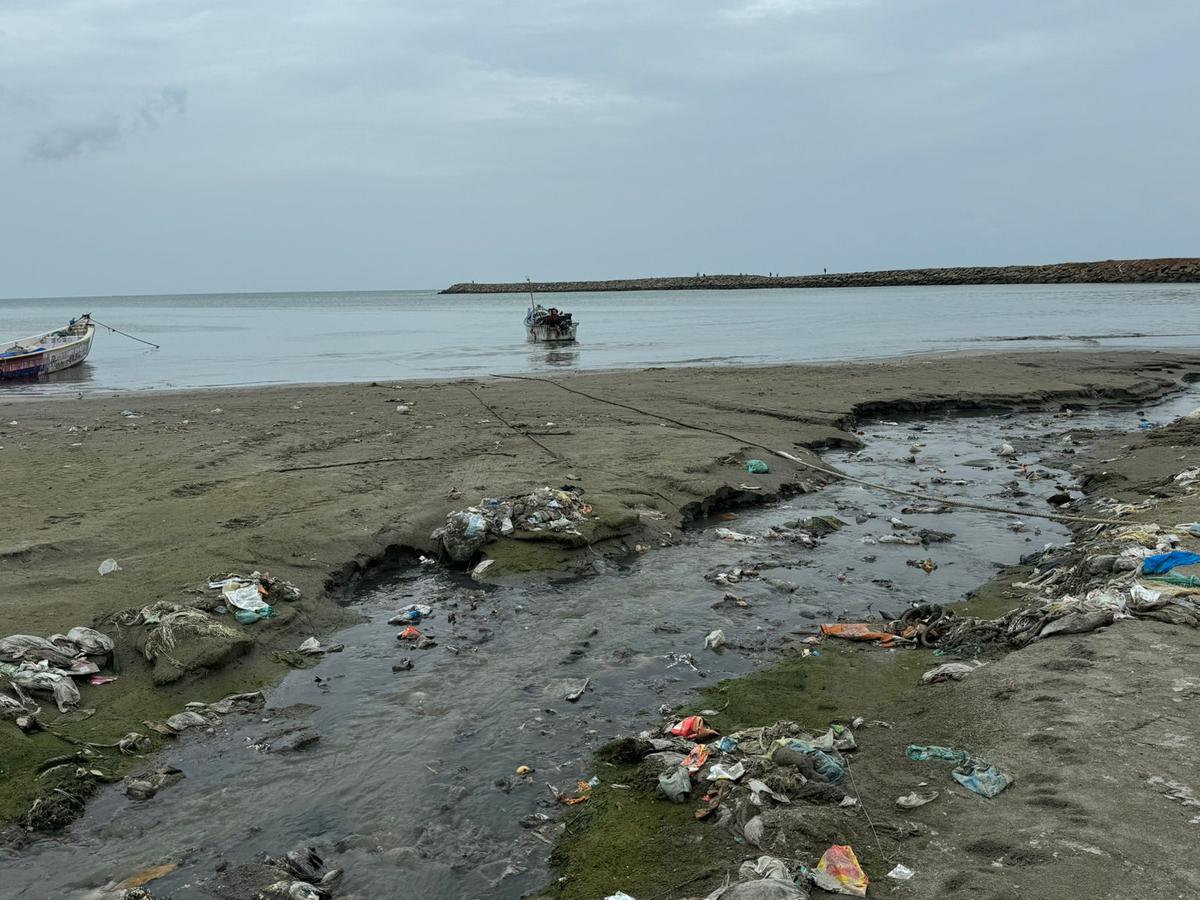
In a continued crackdown on environmental violations, the National Green Tribunal has issued stern directions to the State of Maharashtra over unresolved ecological damage caused by municipalities in the Konkan belt. Several civic bodies including Vengurla, Malvan, Sawantwadi, and Kankavali have been accused of discharging untreated sewage into the Arabian Sea, a violation that risks irreversible marine degradation and breaches multiple environmental statutes. The Tribunal’s concern stems from the Maharashtra Pollution Control Board’s (MPCB) prior assessment of environmental damage, which had already computed Environmental Damage Compensation (EDC) against these municipalities. However, the enforcement of penalties has reportedly been delayed by inter-agency coordination gaps and inadequate response from local bodies.
During the recent hearings, the NGT expressed dissatisfaction with the pace of recovery and ordered MPCB to revise and submit an updated affidavit within two weeks. The Tribunal allowed the agency to adjust previous penalty overlaps with older NGT orders but insisted on accuracy in the latest calculations. Sources within the monitoring team revealed that despite several opportunities, Malvan Municipal Council failed to appear or provide explanations during hearings. The Tribunal has now initiated ex-parte proceedings against the council for non-compliance, reflecting a tougher stance on absenteeism in critical environmental cases. The NGT also reiterated the urgency of enforcing legal and financial accountability, directing that criminal proceedings already initiated against the defaulting councils must be expedited.
Officials have emphasised that recurring untreated sewage discharge poses long-term threats to marine ecosystems and coastal livelihoods dependent on fishing and tourism. The matter is slated for final hearing on October 15, 2025, with the Tribunal likely to review compliance status, recovery of damages, and progress on curbing further violations. The case underscores the growing need for integrated coastal management and improved coordination between pollution control boards, urban local bodies, and environmental regulators.