


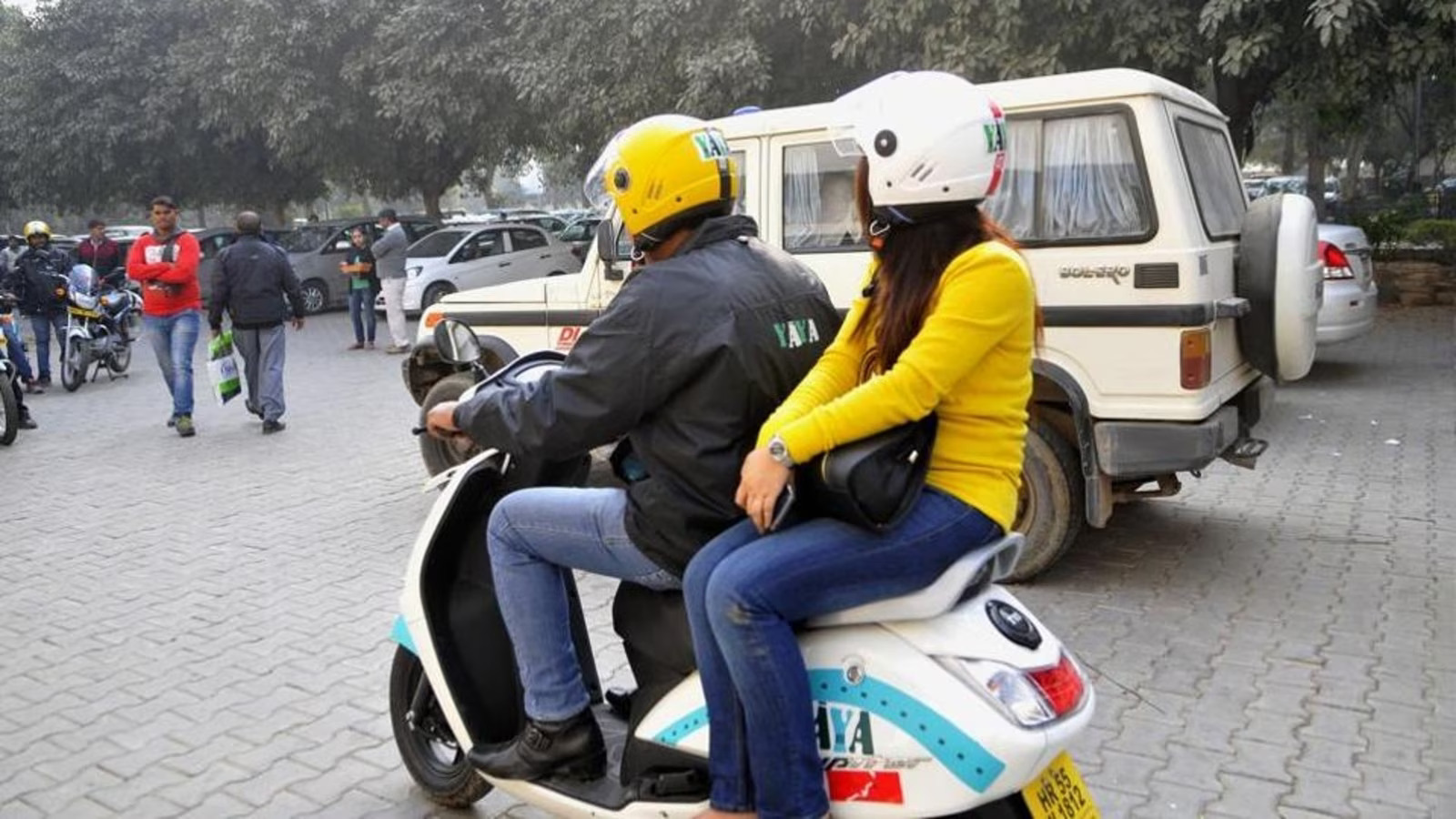
The Maharashtra transport department has intensified its crackdown on unauthorised bike taxi services in Mumbai, imposing penalties on dozens of vehicles and reiterating that operations cannot continue without valid licences. Officials confirmed that 57 vehicles linked to multiple aggregator platforms were recently fined a total of ₹1.5 lakh for continuing to operate despite earlier government directives.
The enforcement drive comes at a time when the state government is finalising its long-awaited e-bike taxi policy. Officials clarified that until the framework is notified, aggregators are barred from running bike taxi services and must apply for fresh licences once regulations are in place. “Strict action will continue against both vehicle owners and aggregator companies found violating the rules,” a senior transport department official said, adding that repeated violations could lead to permanent cancellation of aggregator licences. The development follows a series of citizen complaints from across the Mumbai Metropolitan Region, where bike taxis have gained popularity as a cheaper and quicker alternative to traditional autos and cabs. While the demand reflects the city’s mobility needs, officials have emphasised that public safety, road discipline, and regulatory compliance cannot be compromised.
Authorities underscored that aggregator companies must align with the forthcoming policy, which is currently under review by the law and justice department. The framework is expected to set clear conditions for e-bike taxi services, including safety standards, data-sharing protocols, insurance coverage, and environmental sustainability norms. The state’s cautious approach comes against the backdrop of rapid growth in shared mobility platforms. Experts argue that while bike taxis enhance last-mile connectivity and reduce congestion, their unchecked proliferation without a regulatory framework risks undermining commuter safety and fair competition in the transport sector. “The government’s intent is not to block innovation but to ensure a level playing field where safety and sustainability are paramount,” a transport policy analyst observed.
The debate has also widened to sustainability. Advocates of clean mobility see the proposed e-bike taxi policy as an opportunity to accelerate the transition towards zero-emission transport in one of India’s most congested cities. By mandating electric vehicles for future bike taxi operations, the government could potentially cut urban pollution levels while catering to affordable mobility demands. Until the policy is finalised, however, enforcement action is likely to continue against aggregators that defy the directive to halt services. Officials reiterated that compliance is non-negotiable and that the broader public interest will guide the rollout of new mobility frameworks.
Also Read : Navi Mumbai Roads To Remain Closed For Eid-E-Milad Traffic Diversions Today
