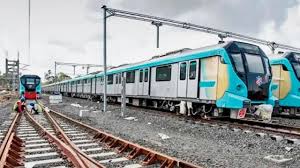
Mumbai Transport Network Expands With Metro Line 9
Mumbai’s Metropolitan Region is poised to unlock a key piece of its expanding rapid‑transit network as Mumbai Metro Line 9 advances toward initial passenger operations between Dahisar East and Kashigaon, signalling operational readiness for early February 2026. This phased launch will be the first step in connecting the north‑western suburbs, including Mira Road and Mira‑Bhayandar, to the city’s broader mass transit grid, with meaningful implications for commuter mobility, land use and sustainable urban growth across the metropolitan region.
Transport authorities have secured final safety certification for Phase 1 of Line 9, clearing a 4.5‑kilometre elevated corridor that will interlink with existing Metro Line 7 at Dahisar East. Preparations by operators include staff training, system testing and final system integration, with the transition from trial operations to commercial service expected shortly after certification. Urban planners and public transport experts highlight that this infrastructure milestone represents more than a new route; it accelerates the ** metropolitan network’s ability to offer alternatives to road traffic** and local rail congestion. Line 9’s north‑western extension reduces reliance on overcrowded buses and cars — lowering emissions and travel times while balancing population pressure in suburban catchments that have expanded rapidly in recent decades.
The initial segment also aligns with efforts to ensure equitable regional access to transit‑oriented development (TOD). Transit accessibility is known to influence residential and commercial real estate dynamics, and planners anticipate that neighbourhoods around station precincts — particularly in Mira Road and Bhayandar — will spur mixed‑use growth. This can help decentralise jobs and services outside the traditional city core, mitigating congestion on major arterial corridors while broadening economic opportunities for suburban residents. Industry observers note that Line 9 contributes to a larger vision for sustainable urban mobility across the Mumbai Metropolitan Region Development Authority (MMRDA) network. Contemporary mass transit engineering, including integrated corridors and multimodal linkages, offers a lower‑carbon alternative to personal vehicles — a critical component of regional strategies to address transport emissions and urban pollution.
However, challenges remain. While Phase 1 delivers an immediate benefit, full connectivity through to Mira‑Bhayandaris contingent on subsequent phases and continued safety approvals. In addition, seamless integration with other lines and first/last‑mile services — such as feeder buses, pedestrian corridors and cycle‑friendly access — will be vital to expand the metro’s reach to communities beyond station catchments. Equity advocates stress that project timelines must be balanced against accessibility priorities, ensuring that transit expansions are inclusive for women, elderly commuters and people with disabilities. Infrastructure that is universally accessible supports broader socioeconomic participation and contributes to safer, more resilient cities.
With its phased launch imminent, Mumbai Metro Line 9 is positioned to reshape commute patterns on the city’s north‑west flank and catalyse new forms of sustainable urban development. As operations commence, the focus will shift to network integration, service reliability and expanding accessibility to ensure that transit gains translate into lasting civic benefits.