Mumbai Traffic Police Ban Heavy Vehicles In Borivali East
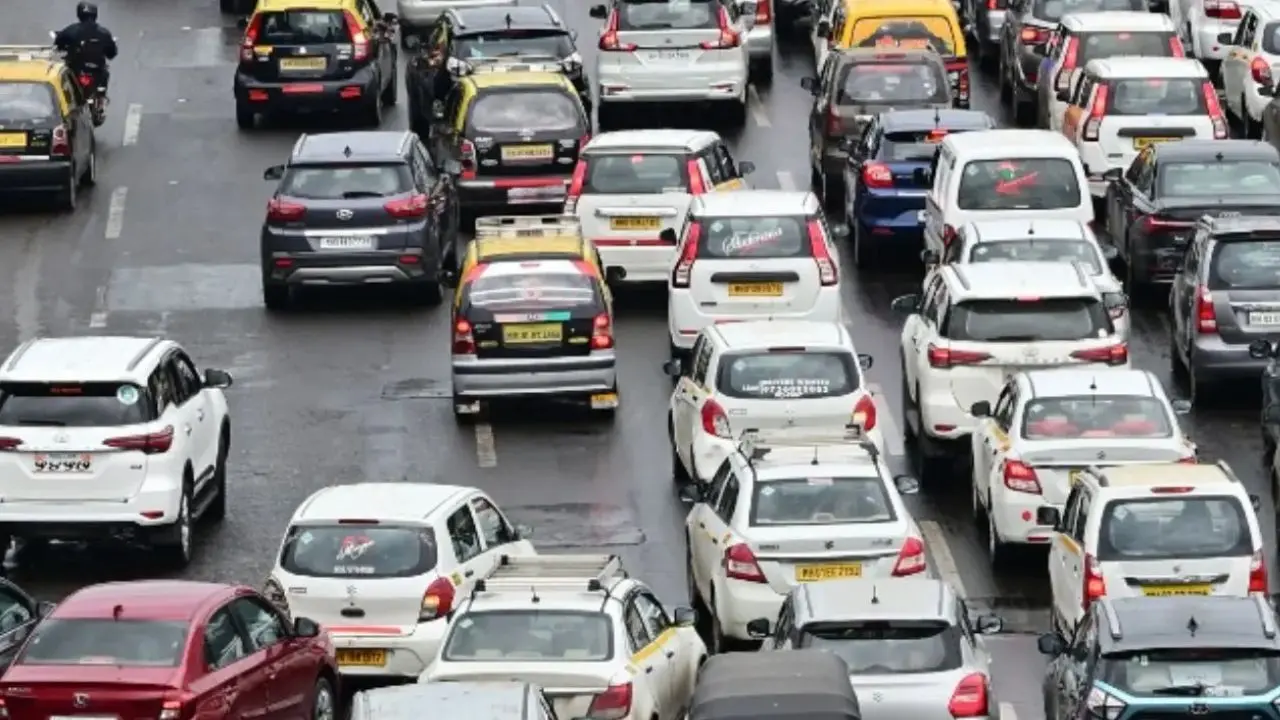
In an effort to unclog suburban bottlenecks and improve road safety, Mumbai’s traffic authorities have temporarily barred heavy vehicles and private water tankers from several narrow thoroughfares in Borivali East between 8 a.m. and 9 p.m. daily. The three‑month pilot, authorised under traffic regulations, reflects a growing urban strategy to manage freight movement within dense residential zones and reduce gridlock during peak hours.
The restriction applies to roads characterised by constricted carriage‑ways and mixed local traffic, where slow‑moving trucks and tankers have increasingly disrupted everyday mobility. Key links between local markets, residential clusters and municipal service points have seen periodic standstills caused by large vehicles attempting manoeuvres in spaces built for lighter commuter flows. Officials said the ban aims to ease congestion while lowering accident risk on these tight stretches. Exemptions have been carved out for vehicles performing essential civic functions. Emergency responders, authorised municipal service providers, delivery vehicles for basics like food and milk, and police units will continue to operate unrestricted, underlining the city’s attempt to balance traffic management with access to vital services. Violations of the directive will invite enforcement action as per the Motor Vehicles Act.
Urban planners and mobility analysts note that such targeted freight controls are becoming a common tool in megacities that struggle with legacy road networks not designed for heavy goods vehicles. In recent years, Mumbai has experimented with peak‑hour bans on heavy trucks at key entry points, such as the Dahisar toll plaza and arterial highways, as part of a broader decongestion agenda. For residents, the new regulation promises more predictable travel times and fewer conflicts between freight movement and daily commuters. Narrow suburban streets often double as primary pedestrian and two‑wheeler routes, and prolonged truck presence can amplify safety concerns and air quality issues in densely populated neighbourhoods. Local traders and commuters alike have welcomed steps that reduce blockage on feeder roads that link to main corridors. Experts, however, stress that enforcement capacity and consistent alternate routing plans are critical to these measures’ success.
There are, however, broader systemic challenges. Cities like Mumbai face chronic traffic stress due to rapid population growth and modal imbalances, where freight movement often overlaps with commuter flows in the absence of dedicated logistics corridors. Urban development specialists argue that better freight planning, timed delivery windows, and investment in peripheral goods hubs are needed to complement such bans, otherwise restrictions simply shift congestion rather than reduce it.
Municipal stakeholders are expected to review the Borivali East trial after April, analysing data on traffic speeds, accident rates and commuter satisfaction. If successful, this approach could be extended to other congested neighbourhoods where residential density and narrow street patterns render traditional traffic management ineffective. City planners view this as part of a broader shift toward people‑centric and climate‑resilient urban mobility frameworks that prioritise safety, access and efficient movement for all road users.