Mumbai Traffic Ban Disrupts Western Express Highway
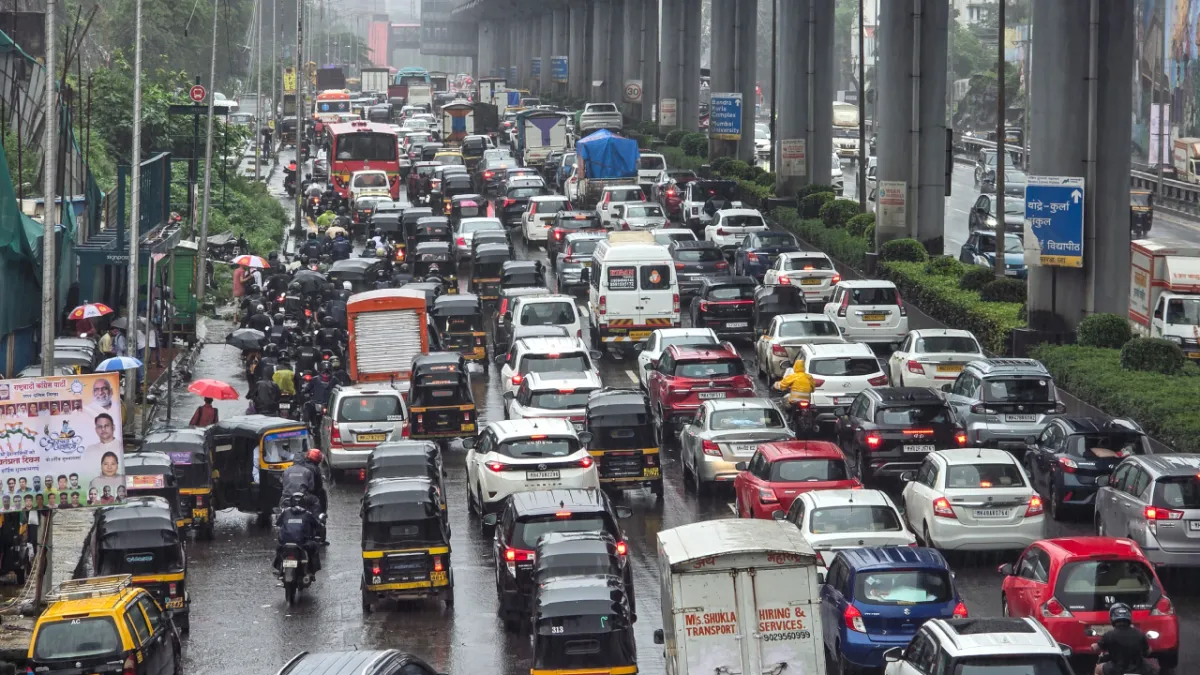
The city’s principal north‑south traffic corridor, the Western Express Highway (WEH), will see stringent restrictions on heavy vehicles for nearly 13 hours on Tuesday as authorities prepare for a high‑profile diplomatic event, raising mobility challenges for commuters and freight operators alike. The prohibition, effective from 8 am to 9 pm between Vakola Flyover and Dahisar Toll Naka, underscores the balancing act between urban functionality and security imperatives in megacities.
The Mumbai Traffic Police have imposed the temporary ban on heavy motor vehicles — including trucks, trailers and similar large commercial carriers — to support security arrangements and mitigate congestion along this critical urban arterial. While light personal vehicles and authorised emergency services will continue to operate, freight movement and logistics planning will be significantly curtailed along this stretch for most of the day.Urban planners note that the WEH serves as a backbone for intra‑city and regional connectivity, linking South Mumbai through the Bandra‑Worli Sea Link with the western suburbs and beyond into the extended metropolitan region. As part of National Highway 48, the corridor is vital for goods distribution and daily commuting patterns, handling substantial truck traffic outside peak transit hours.
The ban’s timing coincides with the India‑France Year of Innovation main event, which is drawing global attention and necessitating heightened security protocols across South Mumbai and key access routes. In addition to the highway ban, several road closures and diversions have been announced around central business districts and cultural precincts to safeguard high‑level movements.For daily commuters, the implications extend beyond the immediate restriction zone. Traffic experts warn that feeder roads and parallel access routes such as arterial links and secondary roads could witness spillover congestion as logistics vehicles reroute or queue outside restricted zones. Public transport networks that intersect with WEH feeder points may experience pressure during peak travel windows, particularly in the late morning and evening.
Freight associations have expressed concern that the long operational window of the ban will disrupt supply chains — especially for time‑sensitive deliveries — and push transport activity into early morning or late evening slots. Although exemptions are in place for vehicles on emergency duty and authorised security operations, there is limited clarity on permit regimes for commercial traffic that must cross the affected segment on a given day.The move amplifies ongoing debates around urban freight management in dense metropolitan regions. Planning authorities have increasingly looked at off‑peak delivery windows, dedicated truck corridors and zoning regulations to minimise friction between commercial traffic and public mobility. This episode highlights the need for integrated traffic modelling that accounts for exceptional events while safeguarding economic continuity and commuter experience.
Looking ahead, city officials and transport planners are expected to evaluate the disruption’s impact and whether adaptive scheduling measures or temporary freight permits could be employed for future high‑security events. For Mumbai’s sprawling urban fabric, the challenge remains to reconcile civic life with the operational demands of hosting global engagements.