Mumbai Toll Relocation Stalled As MSRDC NHAI Blame Game Delays Decongestion
Mumbai’s long-pending plan to shift the Dahisar toll plaza to reduce congestion at the city’s northern gateway has once again hit a dead end. The Maharashtra State Road Development Corporation (MSRDC) and the National Highway Authority of India (NHAI) are engaged in a blame game over finalising a new location, stalling a critical urban mobility and sustainability initiative.
The proposal, initially cleared during a state-level meeting earlier this year, aimed to relocate the Dahisar toll post to ease traffic flow between the city and the Mumbai–Ahmedabad corridor. The move was expected to cut vehicular emissions and travel time, a key step towards building a more sustainable and commuter-friendly Mumbai. However, months after the decision, the project remains mired in bureaucratic friction and political opposition.
According to officials, the MSRDC responsible for operating the existing toll had suggested relocating the plaza closer to Bhayandar Creek. The proposal was opposed by regional representatives citing local inconvenience and environmental concerns, forcing the agency to withdraw the plan. With no alternative site identified, the relocation remains suspended.The NHAI, which oversees national highways, has maintained that site selection must be initiated by the MSRDC since it first proposed the shift. Meanwhile, MSRDC officials insist that NHAI must assist in identifying a technically feasible and compliant location.
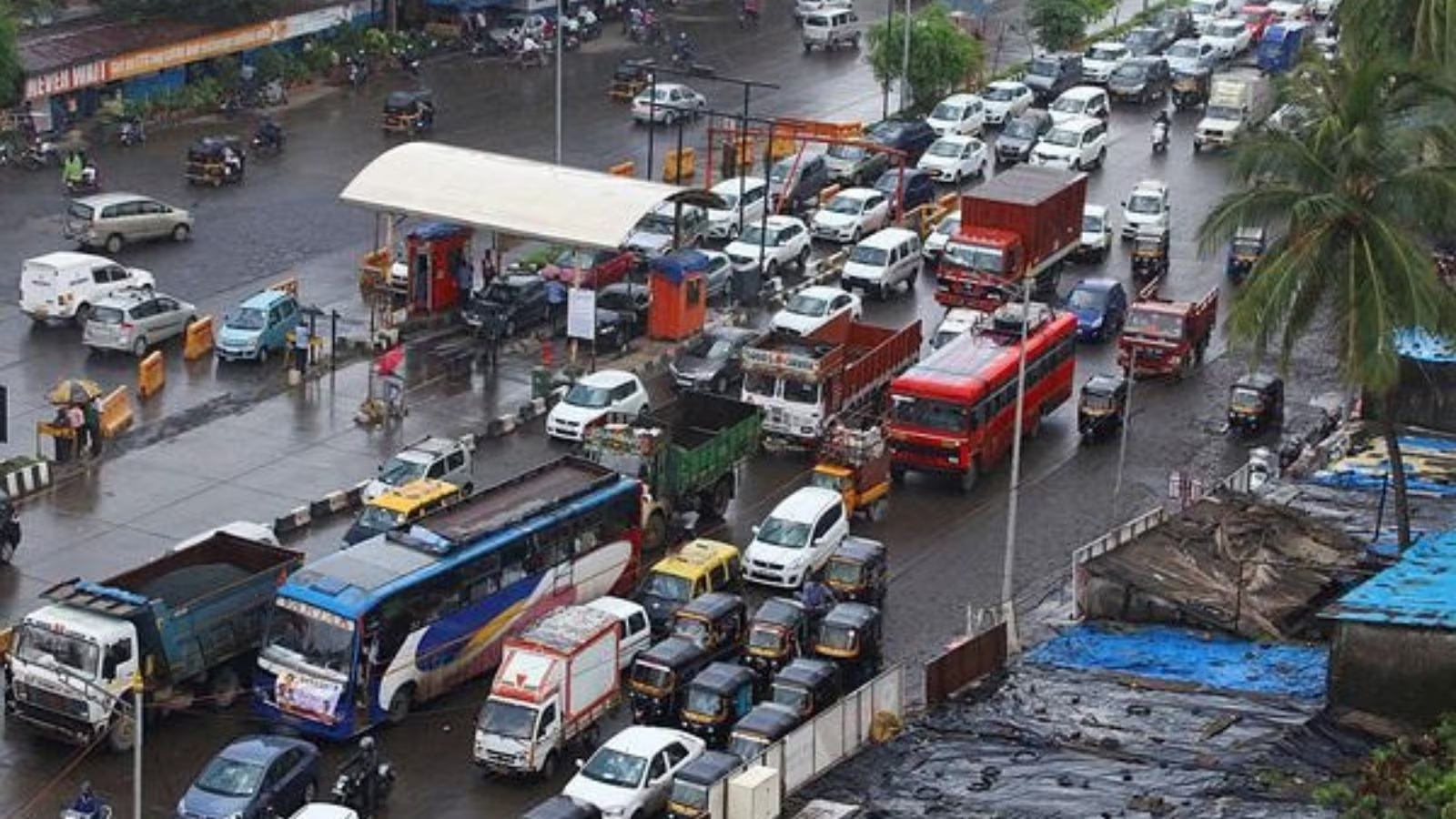
The disagreement has effectively paralysed progress, even as the traffic bottleneck continues to worsen at Dahisar, where vehicles often queue for over 20 minutes during peak hours.Experts say the delay highlights deeper structural inefficiencies in inter-agency coordination. They argue that Mumbai’s toll management policies must evolve in tandem with sustainable urban planning objectives prioritising lower emissions, efficient public transport integration, and equitable road use.
The congestion at Dahisar has wider environmental implications. Daily idling of vehicles contributes to carbon emissions and air pollution, undermining the city’s green mobility goals. Traffic planners have suggested intelligent transport management systems and dynamic tolling policies as potential alternatives to relocation, provided agencies collaborate effectively.Citizens’ groups and commuter associations have long demanded the removal or restructuring of toll points that add to urban gridlock. With the current impasse, public frustration is mounting as the city continues to lose precious commuting hours and air quality deteriorates.While both agencies maintain that discussions are ongoing, the lack of decisive leadership has left Mumbai’s northern corridor choked and its sustainable mobility vision unrealised. Until coordination replaces confrontation, the city’s roads and its citizens will continue to pay the price.