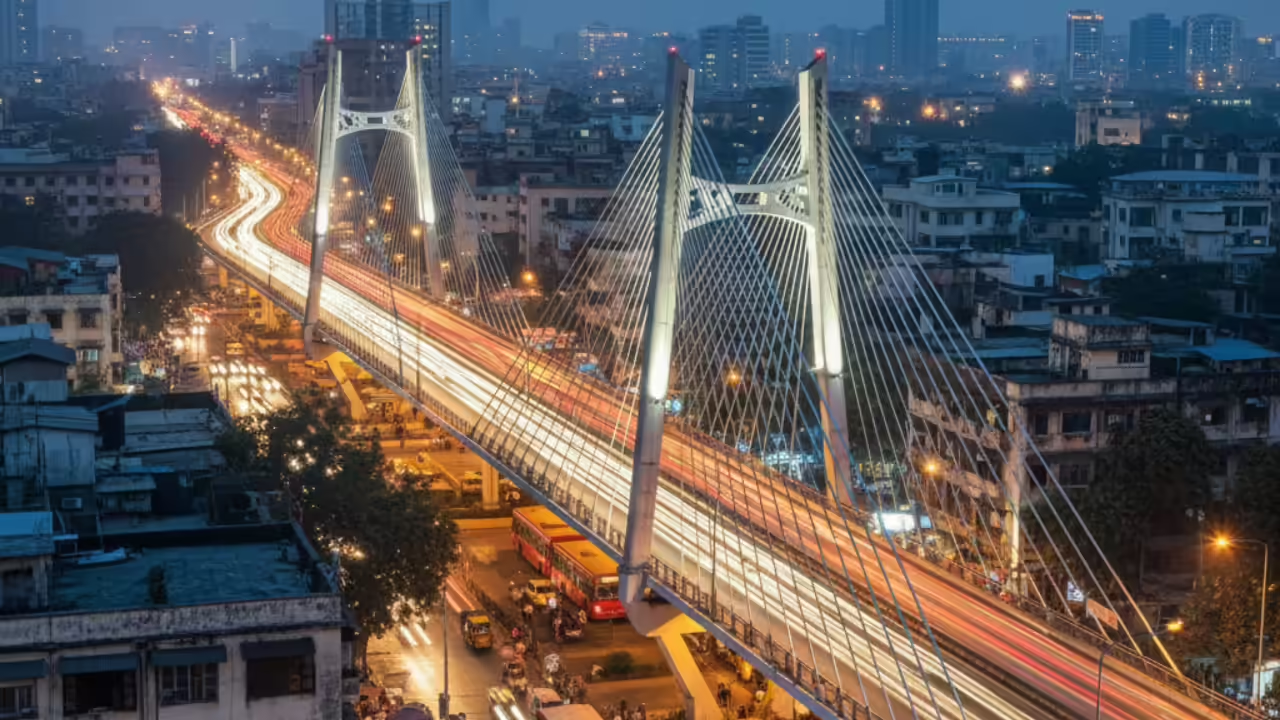
A major urban transport intervention in central Mumbai is approaching operational readiness, with the new Byculla cable-stayed road overbridge poised to open ahead of the upcoming monsoon season. Spanning roughly 916 metres and built at an estimated ₹287 crore, the structure is designed to double traffic capacity on a key east-west route, offering relief to one of the city’s most congested corridors and strengthening connectivity across multiple urban zones.
Once commissioned, the cable-stayed overbridge — replacing an ageing and heavily used prior structure — will form a pivotal link between Dr Babasaheb Ambedkar Road, the Eastern Express Highway, and southern parts of the metropolis. Carrying four lanes of traffic, the upgrade is expected to cut journey times, support goods movement and improve daily accessibility for commuters, freight hauliers and public transport services navigating central Mumbai’s dense street network.Urban infrastructure experts note that capacity enhancements like this are central to reducing transport inefficiencies that have become a defining feature of fast-growing megacities. By expanding lane space and modernising design, the overbridge could ease pressure on parallel arterial roads and redistribute traffic more evenly across the urban grid. Such improvements also complement larger sustainable mobility objectives, including reduced reliance on private vehicles and lowered carbon emissions from idling traffic.
The engineering behind the structure posed considerable design and construction challenges. Built over active railway lines and adjacent to a busy municipal market, the modern cable-stayed superstructure was engineered with a single central pylon, minimising foundations within constrained zones and enabling uninterrupted movement below throughout construction. This approach kept daily traffic flowing even as major works continued — a key planning criterion for dense urban environments where prolonged closures exacerbate congestion.In addition to its functional role, the bridge features integrated urban utilities and aesthetic elements. A multi-tier duct system has been embedded within the crash barriers to house electrical and telecommunications infrastructure, reducing future roadworks and maintenance disruptions. Plans for dynamic LED lighting and tricolour illumination during national events are intended to add civic character and visual interest, aligning with efforts to make infrastructure both useful and place-making.
While residents and daily commuters have expressed optimism about reduced travel times once the bridge opens, some transport planners caution that expanded road capacity can only deliver sustained relief if paired with broader multimodal strategies. Enhanced pedestrian and cycling provisions, improved bus connectivity and coordinated junction upgrades will be essential to distribute benefits equitably and avoid shifting bottlenecks to adjacent neighbourhoods.For Mumbai’s urban agenda, the Byculla bridge represents more than a piece of civil engineering: it is part of a continuum of strategic investments aimed at reshaping the city’s mobility ecosystem, addressing historical infrastructure deficits and supporting equitable access to jobs and services across the metropolitan region.
As the pre-monsoon deadline nears, authorities will need to finalise safety audits, regulatory clearances and operational planning — essential steps before the bridge can begin serving commuters and integrate fully with the city’s broader transport network.