


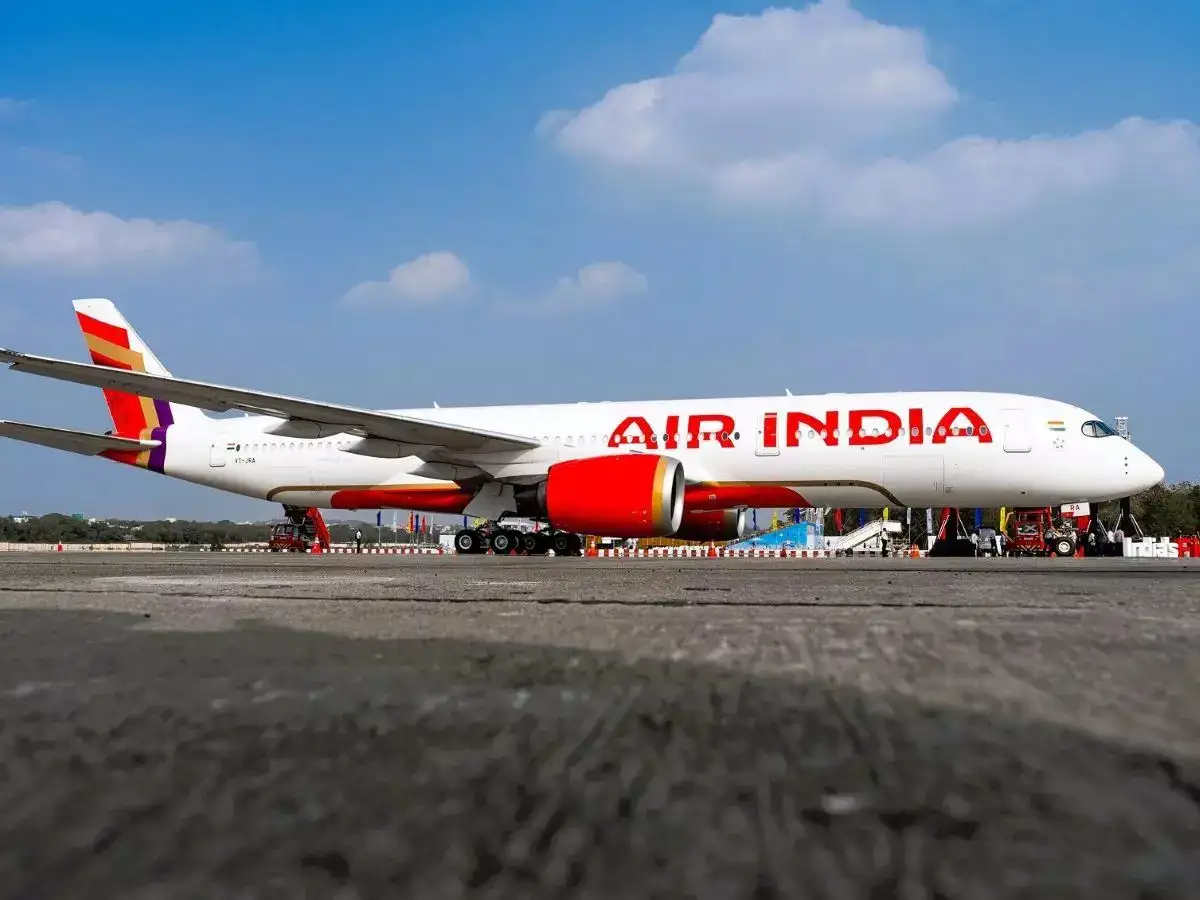
Mumbai passengers scheduled to travel to Lucknow on June 17 via Air India’s flight AI2491 were left stranded after the airline announced a last-minute cancellation citing operational reasons. The disruption, linked to cascading delays from weather-related diversions in Delhi, reflects broader systemic stress in India’s air travel sector during the monsoon season.
The cancellation was officially attributed to operational constraints, but senior airline officials confirmed that it was indirectly triggered by heavy rainfall in the Delhi-NCR region. The downpour forced multiple flight diversions, which in turn disrupted aircraft and crew rotations across the airline’s domestic network. With crew members reaching their regulatory duty limits and substitute arrangements not immediately available, the Mumbai–Lucknow service had to be pulled from the schedule. Passengers affected by the cancellation were notified and offered options including rebooking on alternate flights, full fare refunds, or hotel accommodation depending on onward connection requirements. Airline ground staff at Mumbai Airport were deployed to assist stranded travellers, particularly elderly passengers and families with children. While no major confrontation was reported at the terminal, several passengers expressed concern over the lack of timely updates and limited rebooking capacity.
This incident highlights a recurring vulnerability in India’s aviation system, where disruptions at one major hub, such as Delhi, can trigger a domino effect across interconnected routes. In this case, the operational disruption was not due to technical fault or weather at the origin or destination, but due to external bottlenecks beyond Mumbai’s control. Aviation experts point out that the summer monsoon season typically sees a spike in weather-related delays, but 2024 and 2025 have shown a higher-than-usual frequency of ripple-effect cancellations. With climate unpredictability increasing, airlines are under growing pressure to build buffer systems that can absorb delays without grounding flights. Industry observers suggest that better crew rotation planning and AI-based scheduling systems could mitigate such knock-on disruptions.
For passengers, this highlights the growing importance of proactive planning, including the use of real-time flight tracking apps and understanding of passenger rights. While Air India followed industry protocol by offering refunds and alternative arrangements, travel industry insiders say the burden on customers remains high, especially when cancellations affect business trips, hospital visits, or special occasions. The Mumbai–Lucknow route is a critical domestic connection linking India’s financial capital with the political and administrative heartland of Uttar Pradesh. On an average day, multiple airlines operate this route, catering to business travellers, students, and families. A cancelled flight on this route often results in a surge in demand on competing carriers, leading to fare inflation or limited seat availability.
Officials from Mumbai International Airport confirmed that the flight cancellation did not disrupt terminal operations, as all affected passengers were handled within domestic departure facilities. However, they acknowledged the strain such disruptions place on check-in counters and ground logistics teams, particularly when rebookings or refunds need to be processed manually for larger groups. The aviation industry’s sustainability roadmap also intersects with this situation. Experts argue that such operational collapses, even when weather-induced, have broader implications for carbon efficiency. Diverted flights, extended taxiing, and grounded aircraft result in higher fuel burn and increased emissions. Strengthening predictive modelling, investing in Sustainable Aviation Fuel (SAF), and modernising crew scheduling are being seen as ways to curb the ecological fallout of such disruptions.
Airline sources said that more frequent weather-related disruptions across the Delhi–Mumbai–Lucknow triangle have prompted internal reviews. The review is likely to focus on improving staff deployment logistics, ensuring spare crew availability, and maintaining better turnaround times for aircraft used on high-density corridors. Regulators, including the Directorate General of Civil Aviation (DGCA), are also monitoring the increase in such incidents. While safety remains the top priority, regulatory bodies are expected to push airlines to ensure that contingency plans are both customer-friendly and operationally robust. Industry-wide frameworks are being reviewed to create more resilient air travel ecosystems that don’t just respond to disruptions but anticipate and absorb them.
Passengers on flight AI2491 are expected to be rebooked within 24 hours depending on availability. Air India has not confirmed if similar cancellations are expected, but did urge passengers to regularly check flight status, particularly during the current period of high weather variability. As India’s skies grow busier and climate patterns grow more volatile, the Mumbai–Lucknow cancellation serves as yet another reminder that future-ready aviation must be built on resilience, empathy, and efficiency—not just punctuality.
Also Read : Western Railway Launches Senior-Only Compartments Across Mumbai Local Trains
