


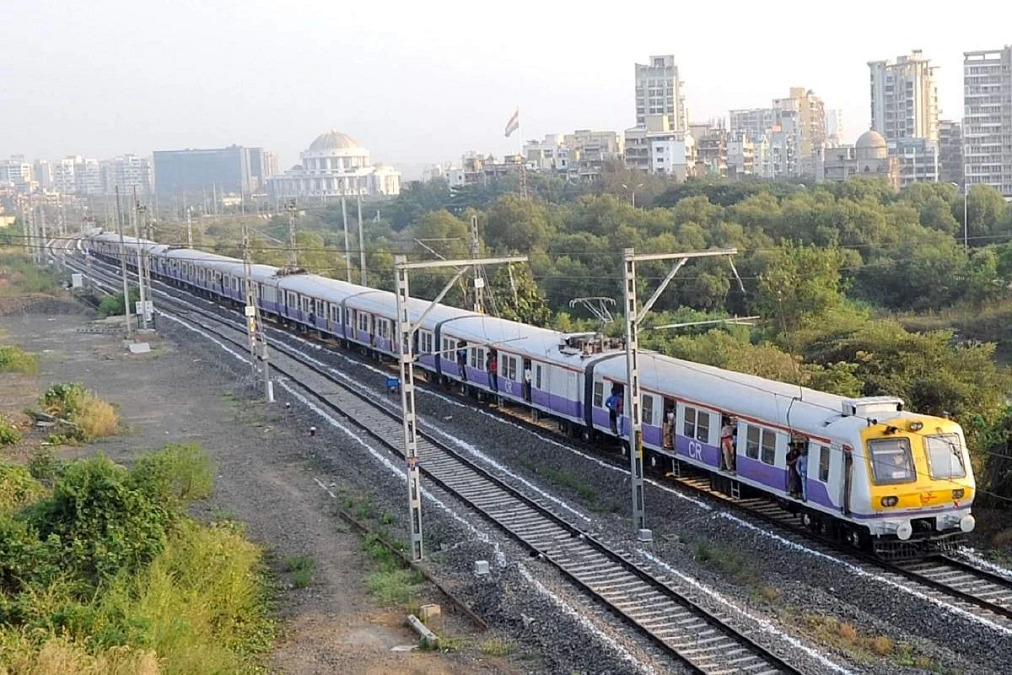
Mumbai is set to embark on one of its most ambitious urban mobility upgrades, aiming to connect 34 metro stations with 39 suburban railway hubs in a bid to streamline commuter movement and reduce travel time across the city. The integration, driven by the Mumbai Metropolitan Region Development Authority (MMRDA) in collaboration with Indian Railways and other state agencies, will also link to the city’s Monorail system and the planned Bandra-Kurla Complex (BKC) pod taxi network.
A dedicated joint committee comprising representatives from the Railways and state authorities will oversee the Multi-Modal Integration (MMI) programme. The panel is scheduled to meet later this month at the Central Railway headquarters to review station redesigns, capacity enhancement plans, and operational strategies, drawing lessons from past interchange issues at Ghatkopar and Andheri. According to senior officials, the project’s vision is to create a seamlessly connected public transport network that promotes last-mile connectivity, reduces road congestion, and supports sustainable mobility. The integration plan includes 14 stations on Western Railway, 22 on Central Railway, and a proposed suburban station near Thane. Additionally, the Sant Gadge Maharaj Chowk Monorail will be connected to Mahalaxmi on Western Railway, and the BKC pod taxi will link Kurla West and Bandra East, offering faster transit between business hubs.
Key upgrades around integration points will feature wider pedestrian decks, broader footpaths, designated parking spaces, improved crossings, and modern signages within a 500-metre radius of each station. Passenger footfall studies will inform design decisions to ensure sufficient holding areas and smooth transfers during peak hours. Transport experts have stressed the importance of avoiding unplanned infrastructure bottlenecks that have plagued earlier interchange projects. By integrating land use planning with station upgrades, the MMRDA hopes to not only improve travel efficiency but also stimulate economic activity around transit hubs, encouraging more people to shift from private vehicles to public transport.
The initiative is also in line with Mumbai’s broader sustainability agenda, aiming to lower carbon emissions by promoting mass transit over individual motorised travel. Officials have emphasised that the new designs will be gender-friendly, accessible for differently-abled passengers, and environmentally sensitive, with provisions for green spaces and energy-efficient facilities. If executed as planned, the network could significantly improve Mumbai’s urban transport ecosystem, reducing overcrowding, enhancing reliability, and setting a new benchmark for integrated city transit in India.
Also Read: MMRC Introduces Line 3 Discounts And Partnerships To Boost Ridership Demand
