


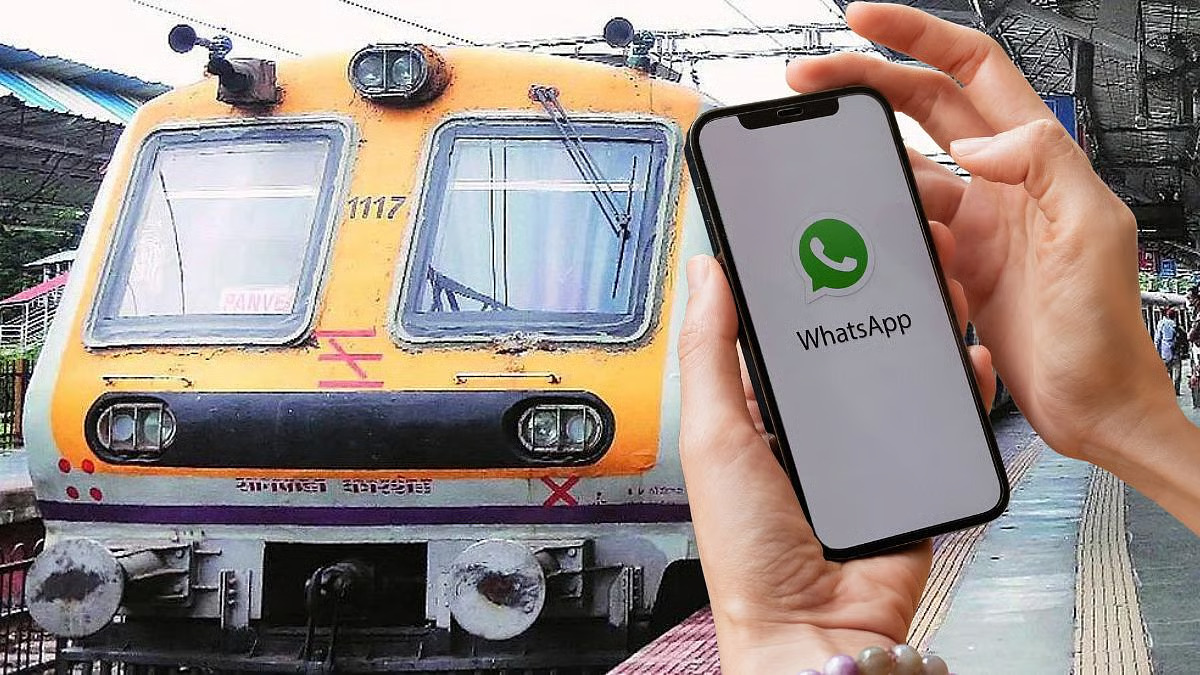
Mumbai’s suburban railway network may soon undergo a digital leap forward, as Indian Railways explores the possibility of enabling ticket bookings through WhatsApp. This initiative, currently in its early stages, is part of a broader push to enhance commuter convenience and modernise local transport systems under the Digital India programme.
According to senior railway officials, consultations are underway with technology providers to assess the feasibility of a chat-based ticketing system integrated with WhatsApp. Once finalised, the tendering process will follow. The aim is to allow users to initiate a ticket purchase by scanning a QR code, launching a WhatsApp chat window, and proceeding with a simple “Hi” message to access booking options—an interface already being used in metro systems. Officials pointed to the growing success of such chat-based ticketing models in urban metros, where more than 70 percent of tickets are now booked digitally. Given that 25 percent of suburban passengers in Mumbai already use digital platforms for bookings, railway authorities see this as a natural next step in reducing dependence on physical counters and cash-based transactions.
In its early iterations, the system will likely mirror the model used in metro ticketing—triggered by QR codes at ticket counters and supported by simple chatbot interactions. This system has proven popular with tech-savvy commuters, particularly in urban centres where smartphone penetration is high and users demand fast, contactless, and intuitive booking experiences. While the digital shift offers considerable promise, officials caution that security and misuse remain key concerns. Past experience with the UTS (Unreserved Ticketing System) QR-based platform revealed loopholes, with reports of fraudulent use and duplication. To address this, the railways intend to implement stringent safeguards in the chat-based model, including verification protocols, transaction tracking, and real-time monitoring.
Railway technology experts argue that chat-based ticketing is the future of commuter mobility in large cities, offering a sustainable alternative to paper-based tickets. Besides convenience, the transition supports the government’s objective of building low-carbon, digitally enabled urban transport systems. The cashless format also reduces operational overheads, curtails black market sales, and empowers citizens with greater control over their journey planning. If implemented successfully, this system could serve as a model for other high-density commuter networks in India. For now, the Mumbai Railways’ pilot exploration marks a critical first step in making ticketing as accessible as instant messaging.
With planning underway and public adoption of digital platforms on the rise, the city’s transport future may soon be just a ‘Hi’ away.
Also Read : Mumbai Mandates 5 Percent Government Quota In Gymkhanas
