


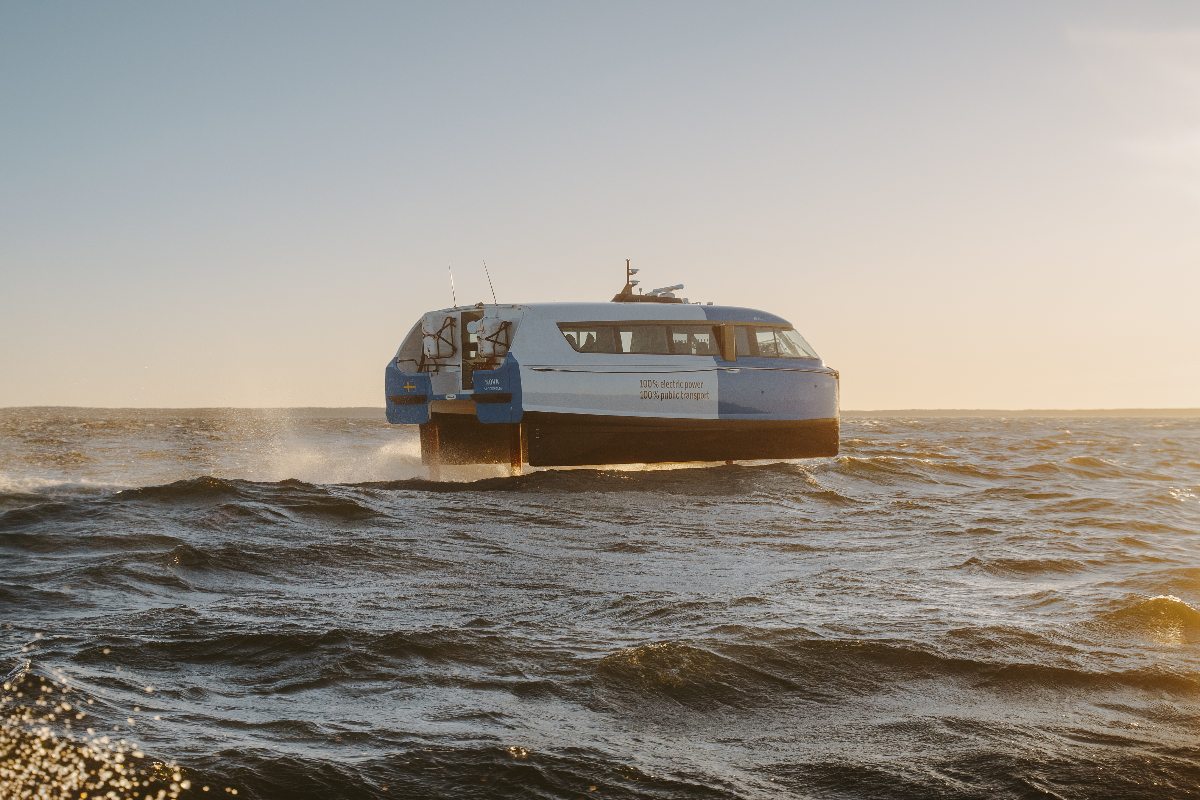
Mumbai is set to revolutionise its urban transport landscape with the introduction of electric hydrofoil ferries, aiming to alleviate the city’s chronic traffic congestion and promote sustainable commuting. The Maharashtra government has announced plans to deploy a fleet of Candela P-12 electric hydrofoil ferries, marking a significant step towards transforming Mumbai’s waterways into efficient and eco-friendly transportation corridors.
The initiative is part of a broader vision to harness Mumbai’s underutilised waterways for modern, sustainable transport solutions. With over 23 million residents and a rapidly growing population, Mumbai’s road infrastructure has struggled to keep pace, leading to severe traffic congestion. The introduction of electric hydrofoil ferries offers a promising alternative, providing a faster, cleaner, and more efficient mode of transport for commuters. The Candela P-12 is a state-of-the-art electric hydrofoil ferry that combines cutting-edge technology with sustainability. Equipped with computer-guided hydrofoils, the P-12 lifts its hull above the water, reducing drag and energy consumption by up to 80% compared to traditional vessels. This design allows the ferry to achieve speeds of up to 25 knots while emitting minimal noise and creating negligible wake, making it ideal for urban waterways.
The P-12’s electric propulsion system eliminates the need for fossil fuels, significantly reducing greenhouse gas emissions and operational costs. Its lightweight carbon fibre construction and advanced flight control system ensure a smooth and comfortable ride, even in challenging sea conditions. With a range of approximately 40 nautical miles on a single charge, the P-12 is well-suited for urban water transport routes. The initial fleet of Candela P-12 ferries will operate on several key routes across Mumbai’s waterways. One of the primary routes will connect the Gateway of India to Alibaug, a journey that typically takes 2–3 hours by car. The electric hydrofoil ferry is expected to reduce this travel time significantly, offering a faster and more convenient alternative for commuters. Another planned route will connect the Gateway of India to Elephanta Island, a popular tourist destination. The introduction of electric ferries on this route aims to provide a more sustainable and enjoyable travel experience for visitors.
Additionally, a new route is being planned to connect the upcoming Navi Mumbai International Airport with central Mumbai, reducing travel times from approximately 90 minutes to less than 30 minutes. This route is expected to alleviate traffic congestion and provide a seamless travel experience for passengers. The deployment of electric hydrofoil ferries aligns with Mumbai’s commitment to sustainability and environmental conservation. By reducing reliance on fossil fuels and minimising emissions, the initiative contributes to improving air quality and mitigating the city’s carbon footprint. Economically, the introduction of electric ferries is expected to create new job opportunities in the maritime and transportation sectors. It also has the potential to stimulate tourism and local businesses by providing efficient and attractive transport options for residents and visitors alike.
The launch of electric hydrofoil ferries in Mumbai represents a significant milestone in the city’s journey towards sustainable urban mobility. By embracing innovative technologies and reimagining its waterways as transport corridors, Mumbai is setting a precedent for other metropolitan cities grappling with similar challenges. As the city continues to grow and evolve, initiatives like the electric hydrofoil ferry project will play a crucial role in shaping a greener, more efficient, and more equitable urban future. The success of this project could serve as a model for other cities worldwide, demonstrating the potential of sustainable water transport solutions in addressing urban mobility challenges.
Also Read :Electric Double Decker Buses Launch in Uttar Pradesh
