


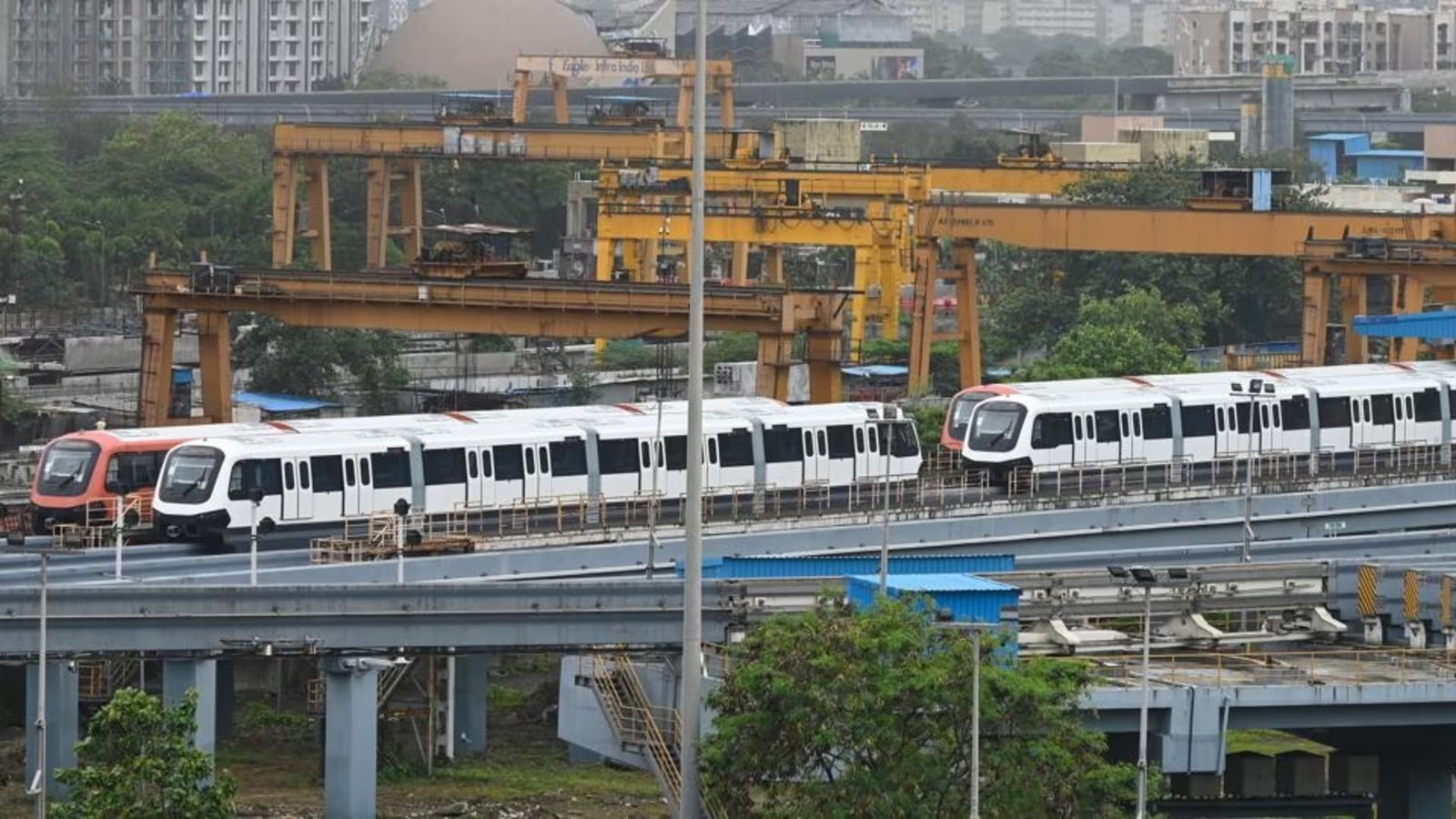
Mumbai and Thane are set to witness a transformative upgrade in urban transit following cabinet approval of two major metro corridors and related infrastructure projects in Maharashtra. The ₹23,487 crore Metro Line-11 will extend from Wadala to the Gateway of India, while a 29-kilometre circular metro in Thane aims to enhance intra-city connectivity, reduce congestion, and promote sustainable mobility. These projects mark a strategic step towards building eco-friendly, low-carbon, and equitable urban transport networks.
The 17.51-kilometre Metro Line-11 will connect Anik Depot in Wadala with the iconic Gateway of India, passing through key urban nodes such as Nagpada and Bhendi Bazaar. Designed to integrate seamlessly with Metro 3 (Aqua Line), Metro 4, the Wadala Monorail, and suburban stations including Byculla and CSMT, the corridor is expected to reduce commute times and encourage a modal shift from private vehicles. Experts note that such integration is vital for supporting Mumbai’s long-term goal of a net-zero carbon transport system. The Mumbai Metro Rail Corporation Limited has been tasked with the project’s design, construction, and operational management. In Thane, the 29-kilometre circular metro, developed by the Thane Municipal Corporation at a cost of ₹12,200 crore, aims to decentralise urban mobility and enhance access to commercial, residential, and educational hubs. Officials emphasise that the circular route will reduce traffic congestion, promote equitable transit access, and encourage greater adoption of public transport among residents. Urban planners highlight that the project aligns with sustainable city development strategies, ensuring that growth does not compromise environmental goals.
Complementing these metro initiatives is a 25-kilometre, six-lane elevated road linking Thane and Mira-Bhayander to the upcoming Navi Mumbai International Airport. Developed by CIDCO at a cost of ₹6,430 crore, the elevated road features six interchanges and is expected to reduce travel time from 90 minutes to just 30 minutes. Experts point out that such infrastructure will not only improve airport connectivity but also support low-carbon mobility by reducing congestion and promoting smoother traffic flows. Further regional transit improvements include the addition of third and fourth rail lines between Pune and Lonavala, approved at ₹5,100 crore and implemented by the Mumbai Railway Vikas Corporation. The expansion is expected to ease congestion on one of the busiest suburban corridors, cut travel times, and enhance service reliability.
Additional projects approved by the cabinet include extensions of Pune and Nagpur metro lines, new corridors in Swargate–Katraj and Vanaz–Chandani Chowk, and urban development initiatives such as new business hubs and townships in Nagpur. Experts underline that these initiatives collectively aim to create sustainable, gender-neutral, and climate-resilient urban transport ecosystems across Maharashtra. While timelines for implementation are yet to be formally announced, these approvals signal a decisive push towards transforming Mumbai and Thane into globally competitive, environmentally conscious, and efficiently connected cities. By integrating metro, suburban rail, and elevated road infrastructure, authorities hope to foster equitable, low-carbon urban mobility that benefits residents and supports long-term sustainable growth.
Also Read : Lucknow Kanpur Expressway Cuts Travel Time To Forty Minutes Now
