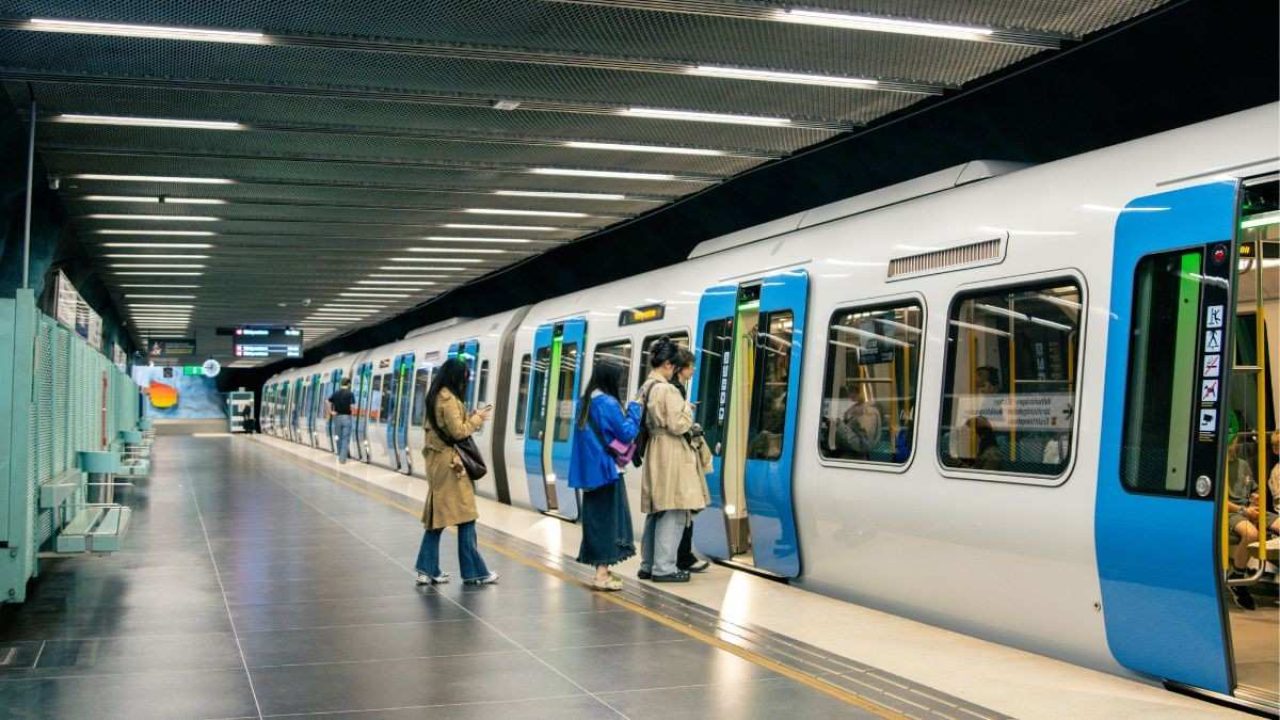
Mumbai is preparing to introduce a high-speed metro connection between its two major airports, with the proposed Metro Line 8 expected to cut travel time between the western and eastern hubs to around 30 minutes. The corridor is designed to support a future twin-airport system as the Navi Mumbai International Airport is slated to begin operations by the end of December. Officials say the link will significantly ease transfer delays and reduce dependence on road traffic, which remains unpredictable even on upgraded corridors.
The 34.89-km rapid transit line, often referred to as the Gold Line, has been planned as a mix of underground and elevated stretches with 20 stations along its alignment. According to planning officials, the new line aims to support airport passengers, airline crew, logistics operators and outstation travellers who currently rely on congested arterial roads. Existing road travel between the airports can take 75 to 120 minutes, extending beyond two hours during peak hours, making the metro link a crucial mobility intervention for the wider Mumbai Metropolitan Region. The project is estimated to cost about ₹23,000 crore and will follow a public-private partnership model. As outlined in the detailed project report submitted to the Maharashtra Government, the proposal includes a 20 per cent viability gap funding contribution each from the Centre and the state, with the remaining investment expected from a private consortium through a build-operate-transfer arrangement. Officials note that this structure mirrors the model used for the first metro line in the city, with long-term operations built into the concession.
The planned stations include key interchanges such as Kurla, Mankhurd, Vashi, Nerul and Seawoods, along with direct access points at both airport terminals. The corridor will connect with at least six existing or upcoming metro lines, suburban railway networks, major bus terminals and the Lokmanya Tilak Terminus. Urban mobility experts highlight that these integrations could transform the way commuters move across Mumbai by creating a more equitable network that reduces reliance on private vehicles and lowers emissions. Daily ridership on the corridor is projected to reach 1.03 million by 2031, reflecting the region’s rising air travel demand and the need for mass rapid transit systems capable of meeting sustainability goals. Urban planners also emphasise that seamless airport-to-airport connectivity can promote more balanced regional development, easing pressure on Mumbai’s dense core while strengthening new growth clusters around Navi Mumbai.
While the Maharashtra Government has approved the broad framework, the tendering process for construction has yet to begin. Officials expect the bidding exercise to attract significant interest due to the line’s long-term revenue potential and its strategic importance within the region’s mobility ecosystem. If executed as envisioned, Metro Line 8 could emerge as a defining piece of infrastructure—one that not only strengthens airport connectivity but also supports a cleaner, more inclusive transport network for India’s financial capital.
Mumbai To Get 30 Minute Metro Connecting CSMIA And Navi Mumbai Airport