


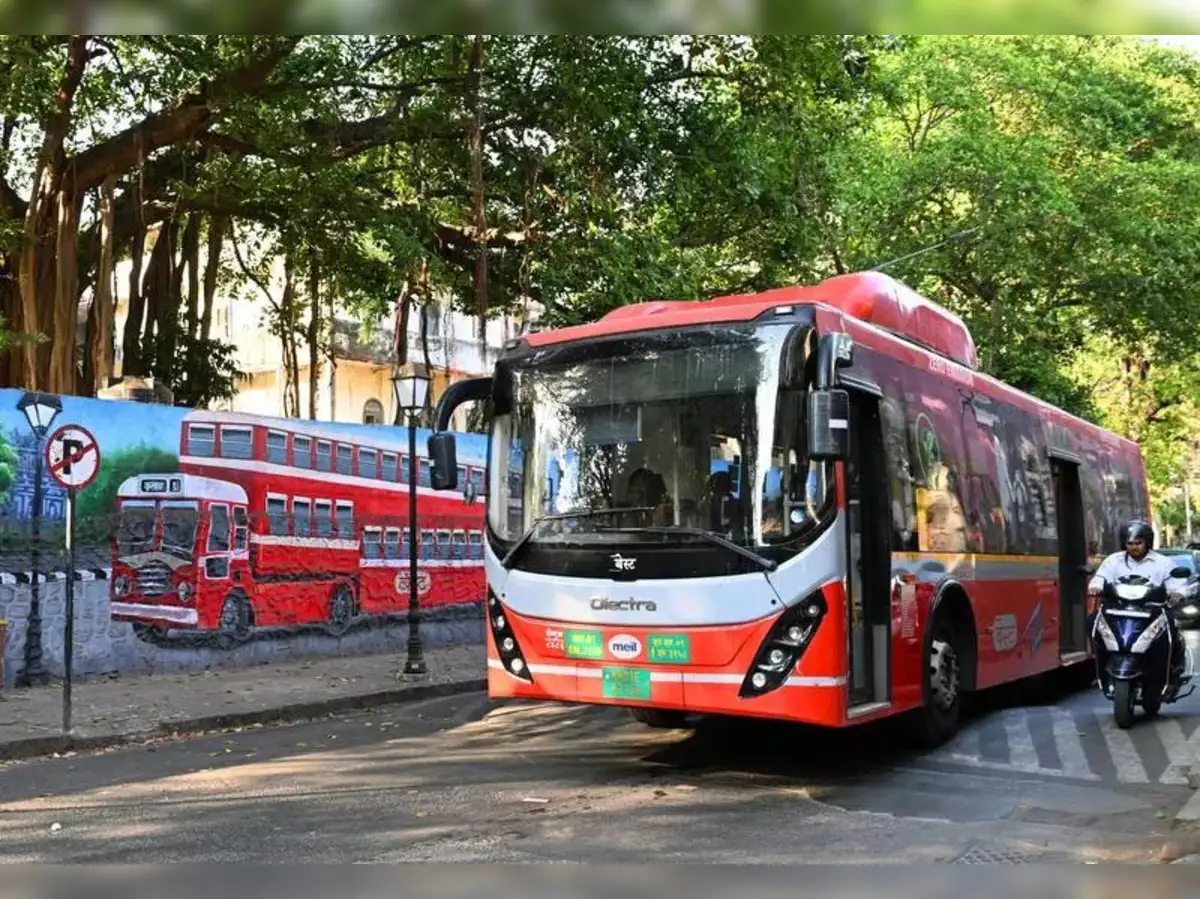
Mumbai is preparing for a major leap in sustainable transport, with the Brihanmumbai Electric Supply and Transport (BEST) undertaking committing to convert its entire bus fleet to electric by 2027. The shift is expected to cut annual carbon dioxide emissions by an estimated 3.18 lakh tonnes, a transformative step for a city battling high vehicular pollution and rising climate risks.
According to officials from the city’s environment department, BEST currently operates 2,731 buses, of which 612 are owned directly and 2,119 are operated through a wet-lease model with private partners. Already, over 91 per cent of its fleet runs on either Compressed Natural Gas (CNG) or electric power, underlining the scale of progress made in recent years. Officials highlighted that the move will not only contribute to climate targets but also deliver immediate benefits to citizens. Electric buses provide quieter rides, lower operating costs, and reduced dependence on fossil fuels. For commuters in Mumbai, often travelling long hours in congested traffic, the promise of smoother and cleaner public transport is a compelling shift towards quality of life improvements.
A senior civic official described the transition as “a vital step towards a cleaner, greener Mumbai.” The plan is supported by government-backed financing mechanisms, alongside investments in charging infrastructure to ensure reliable operations across the city. Officials further noted that partnerships with private operators remain critical, given the scale of fleet expansion required over the next two years. The undertaking is already witnessing strong passenger uptake. In August alone, BEST buses carried over 6 crore passengers and generated revenue exceeding ₹77 crore, much of it from ticket sales and digital ticketing platforms. Often referred to as Mumbai’s “second lifeline” after the suburban railways, BEST buses remain central to the city’s public transport ecosystem.
Industry experts believe the electrification of BEST’s fleet positions Mumbai as a frontrunner in the national electric mobility agenda. With India pushing for cleaner cities and reduced import dependence on fossil fuels, large-scale urban electrification projects are being seen as models for replication across metropolitan regions. The carbon savings expected from BEST’s electrification are particularly significant for Mumbai, where air quality frequently hovers in the moderate to poor range. By 2027, city officials expect the move to substantially reduce particulate matter and nitrogen oxide emissions, improving respiratory health outcomes for residents.
While challenges remain in ensuring adequate charging capacity and grid stability, experts note that the transition is backed by strong political will and administrative urgency. For a city already grappling with climate shocks like flooding and heatwaves, the plan underscores a recognition that sustainable mobility is no longer optional but necessary for resilience.
Also Read : PM Inaugurates PSA Mumbai Terminal Phase II At Jawaharlal Nehru Port
