


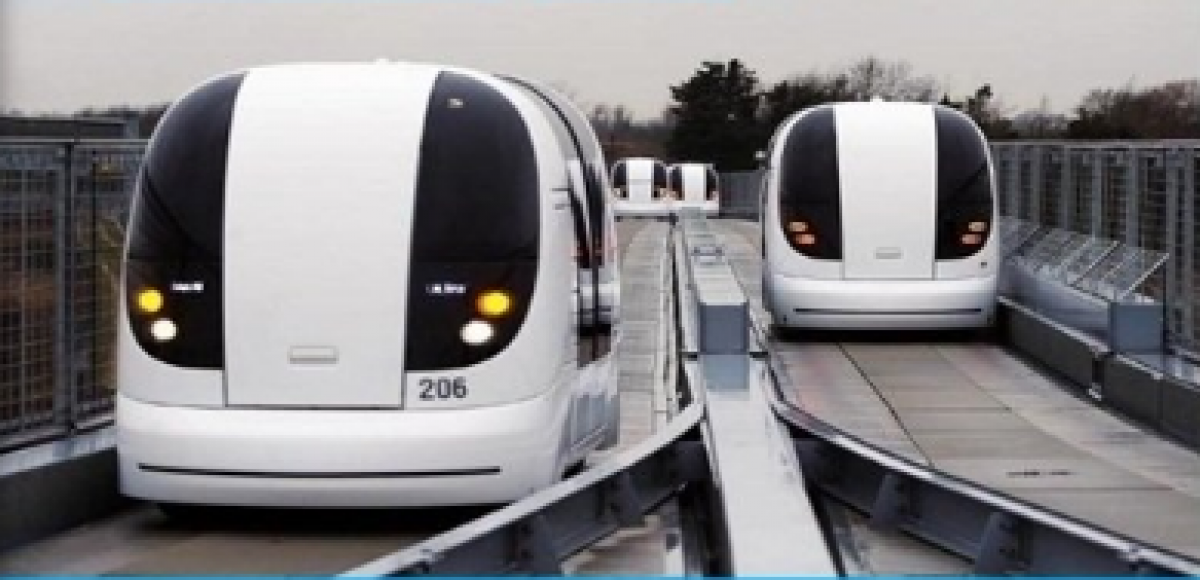
Mumbai is preparing for its most ambitious urban transport overhaul yet, aiming to connect 39 key stations across metro, monorail, and suburban rail networks through a coordinated multi-modal integration plan.
The initiative, backed by the region’s railway and metropolitan development authorities, is designed to eliminate last-mile travel barriers and promote sustainable, low-carbon commuting. Officials confirmed that the integration blueprint includes 34 metro stations spread over 15 corridors, along with five suburban railway hubs linked to either monorail services or the city’s first proposed pod taxi routes.Among the highlighted connections, the Bandra (East) and Kurla (West) railway stations are set to be linked to the upcoming pod taxi corridors, while Sant Gadge Maharaj Chowk’s monorail station will integrate directly with Mahalaxmi’s suburban station. Experts note that such connections could cut intermodal transfer times by more than half, making public transport a more attractive option for daily commuters.
Also Watch: An Exclusive Interview with Sanjeev Jaiswal (IAS), CEO MHADA
A specially formed Multi-Modal Integration (MMI) committee, comprising representatives from the city’s railway zones, metro corporations, and urban planners, will oversee the project’s execution. This body will also coordinate with agencies constructing new metro lines to ensure future-ready infrastructure.Planned infrastructure improvements under the MMI scheme extend beyond mere station linkages. Footpaths outside major hubs will be widened to encourage walkability, pedestrian crossings will be optimised, and junction layouts will be improved for better traffic flow. Provision will also be made for parking bays catering to buses, auto-rickshaws, private cars, and ride-sharing fleets reflecting a push towards complete, inclusive mobility ecosystems.
In parallel, the Mumbai Metro Rail Corporation is developing a ropeway link between Aarey Metro Station on Line 3 and the well-known Film City in Goregaon, with a possible extension to Sanjay Gandhi National Park. This ropeway aims to address congestion in one of the city’s most popular tourist and work zones, providing a zero-emission, elevated transit solution.Urban transport analysts believe the combined integration and ropeway plans could mark a turning point in Mumbai’s public mobility landscape. They stress that such efforts will only succeed if designed for inclusivity ensuring stations are universally accessible, safe for women and the elderly, and capable of handling high passenger volumes without bottlenecks.
For a city that has long grappled with fragmented transport systems and severe congestion, this coordinated approach represents a shift towards a climate-resilient, commuter-centric urban design. The success of this initiative could set a precedent for other Indian cities aiming to build greener, more equitable mobility networks.While implementation timelines remain dependent on inter-agency coordination and funding, the vision is clear: a Mumbai where switching from train to metro, monorail, or pod taxi is as seamless as walking across the platform.
Also Read : Mumbai Issues Heavy Rainfall Warning For Konkan, Maharashtra Ghats From August 15 To 18
Mumbai To Connect 39 Stations Linking Metro Monorail And Pod Taxis
