


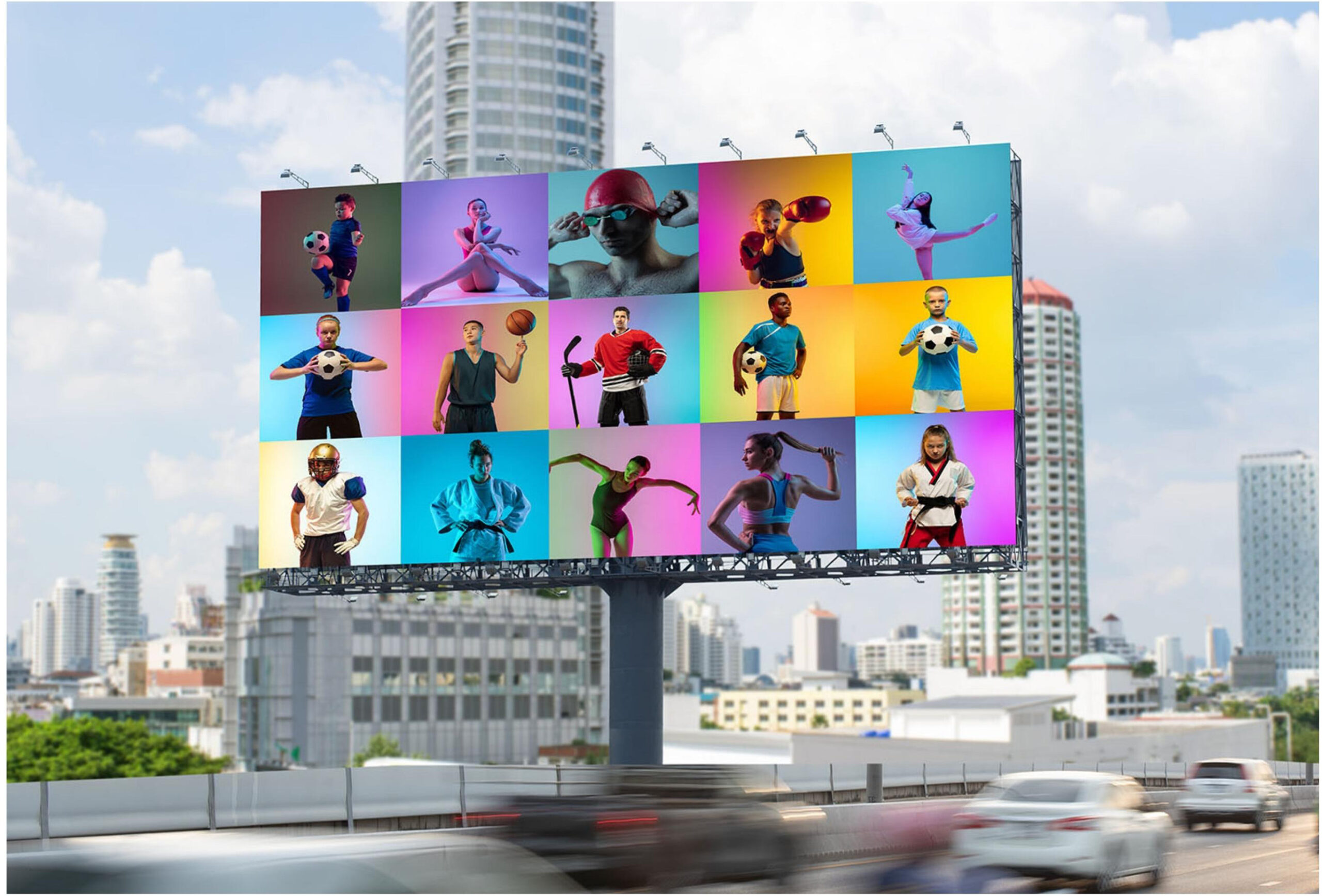
The Brihanmumbai Municipal Corporation (BMC) is set to overhaul its policy on digital hoardings across the city, a move prompted by recent safety concerns and a desire to standardise illumination levels. This initiative will see the BMC engage both citizen feedback and a specialised agency to conduct comprehensive field surveys on the brightness of these digital displays.
In response to the tragic incident on May 13, where a non-compliant hoarding collapse resulted in 17 fatalities, the BMC is tightening its regulations. The civic body plans to enlist a leading agency to carry out a 15 to 20-day short-term survey, focusing on optimal brightness levels for digital hoardings. This step is aimed at ensuring that illumination does not exceed recommended limits, which is critical for reducing glare and maintaining road safety. Concurrently, the BMC is collaborating with the Indian Institute of Technology, Bombay (IIT-Bombay) to undertake a detailed long-term study. While videos will be restricted on major traffic corridors, they will be permitted in less congested areas like shopping malls and bus depots. The new policy also proposes regular monitoring of hoardings and bans on offensive or distracting content.
This study will examine the effects of video advertisements on traffic safety, highlighting the potential risks associated with high-intensity digital displays. The agency tasked with the short-term survey will explore the feasibility of installing advanced sensors and cameras, which will transmit real-time data on illumination levels to a cloud-based system. This technological upgrade will facilitate ongoing monitoring and ensure compliance with new brightness standards. The BMC’s updated regulations come amid a backdrop of significant revenue from outdoor advertising. Mumbai currently hosts 1,045 authorised hoardings, generating INR 100 crore in revenue last year. The new policy aims to balance the commercial benefits of digital advertising with public safety and urban aesthetics.
A senior BMC official disclosed that the finalisation of the agency is imminent, with discussions already underway with several firms specialising in outdoor lighting. The aim is to determine the maximum permissible brightness for digital hoardings, based on empirical data and global best practices. Recent meetings have revealed that experts agree on limiting the brightness of digital hoardings to no more than 3.2 times the ambient light levels, a standard informed by international case studies. Additionally, the policy will include stringent restrictions on video content, particularly on hoardings situated along high-traffic routes where such displays could exacerbate congestion or distract drivers.
