


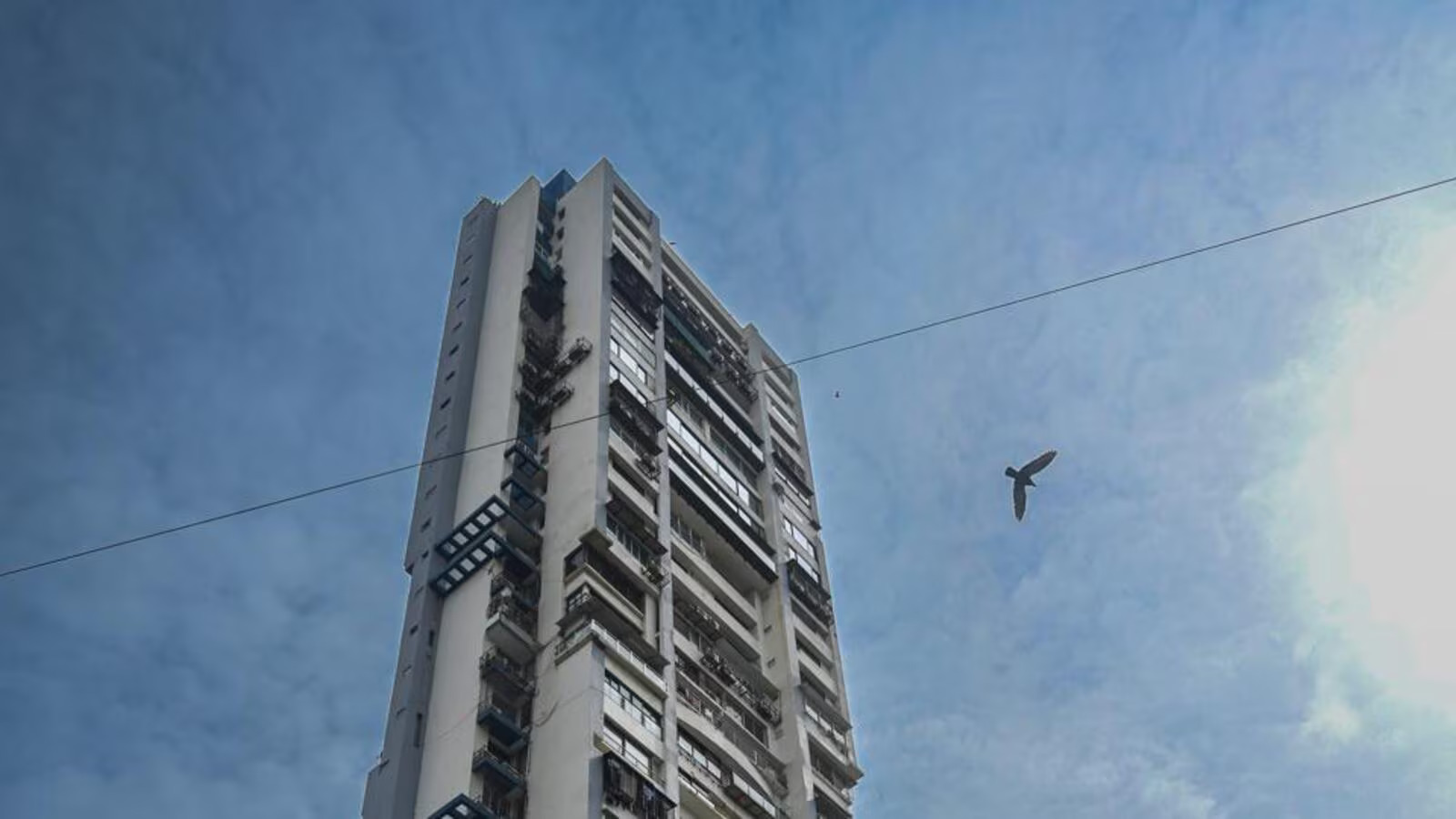
Mumbai’s Willingdon View Co-operative Housing Society, a towering 34-storey residential building in Tardeo, is at the centre of a high-stakes legal and civic showdown. The Brihanmumbai Municipal Corporation (BMC) has issued a final deadline for 27 families to vacate 34 flats located on the 17th to 34th floors by 27 August. The ultimatum follows a Supreme Court decision to uphold the Bombay High Court’s eviction order, citing the absence of mandatory Occupancy and Fire No Objection Certificates for these floors.
Civic officials have directed residents to submit written undertakings by Friday confirming their intent to leave. Failure to do so will trigger forcible eviction in coordination with the police and subsequent sealing of the premises. “The rule of law must prevail,” observed the apex court while commending the High Court for a decision described as both bold and clear in reinforcing urban safety norms. The Bombay High Court has granted the residents a three-week window to vacate, firmly rejecting their plea for additional time. Arguments by the housing society’s legal counsel that drew parallels with the 2013 Campa Cola compound case—where temporary relief was extended on humanitarian grounds—were dismissed. The bench underscored that statutory compliance cannot be overridden by emotional appeals, warning that continued occupation without clearances would set a dangerous precedent for Mumbai’s urban governance.
Urban planning experts note that the case exposes a recurring loophole in the city’s real estate ecosystem, where developers and cooperative societies push construction beyond permissible limits and subsequently seek regularisation. Such practices, the court warned, erode the credibility of building regulations and place public safety at risk, particularly in high-rises where fire safety measures are critical. The affected residents, many of whom purchased their flats over a decade ago at around ₹1 crore, now face losing properties valued at nearly ₹5 crore each. Each floor in question comprises two 850 sq ft units. Several occupants, while visibly distressed, have indicated they will comply with the order to avoid forced eviction.
The controversy also shines a light on the need for tighter enforcement of urban construction laws, especially as Mumbai grapples with rapid vertical growth to accommodate its swelling population. Analysts argue that allowing illegal floors to remain occupied not only undermines the authority of civic bodies but also compromises the safety of residents and emergency responders. With the BMC’s enforcement deadline looming, the case is being closely watched as a test of Mumbai’s commitment to sustainable and law-compliant urban development. For the city’s policy-makers, it is a reminder that robust and equitable planning cannot be sacrificed at the altar of short-term gains or post-construction legal battles.
Also Read : Maharashtra To Launch 12th Vande Bharat Linking Ajni And Pune On August 10
