


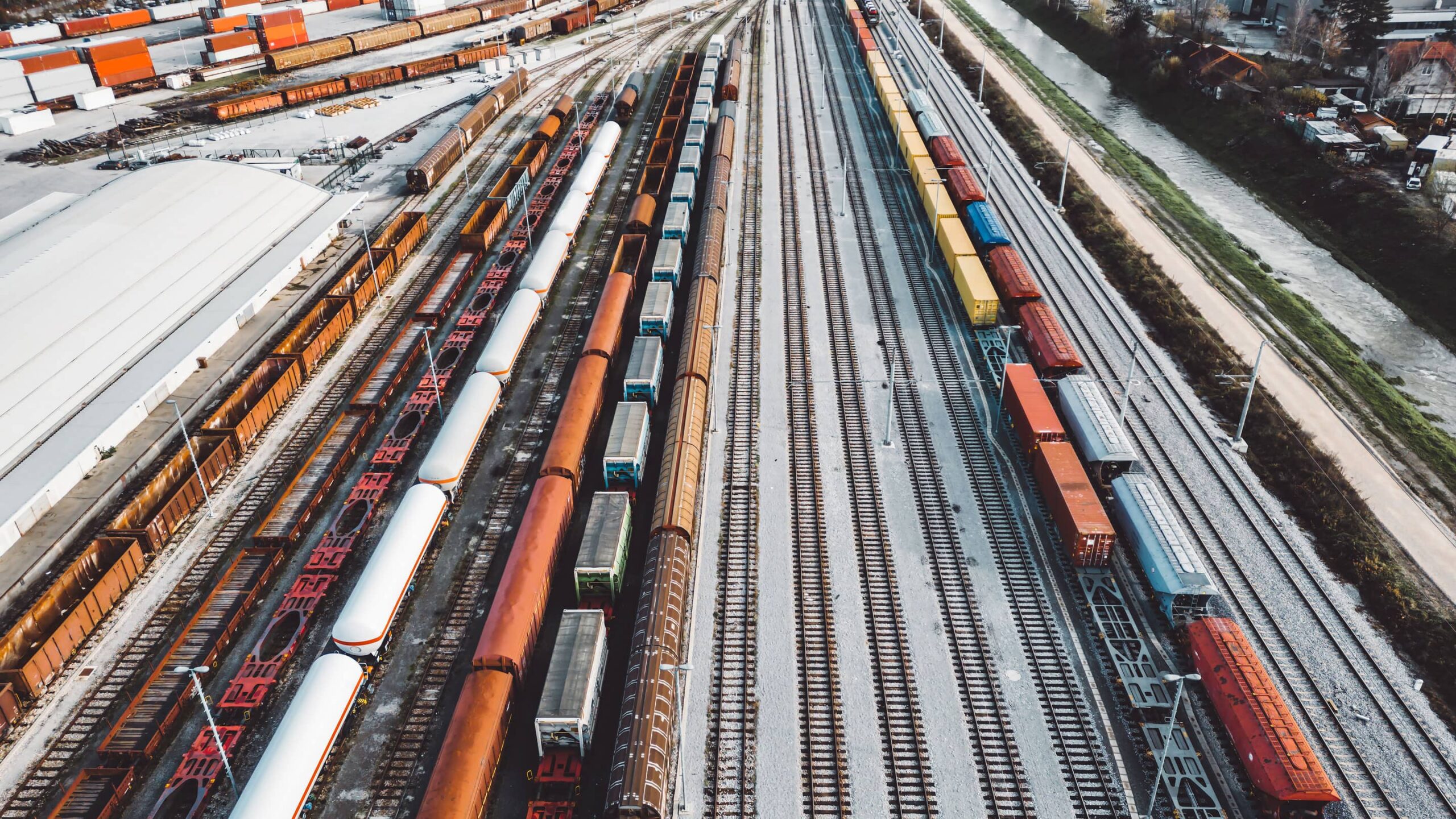
A proposal to introduce high-frequency, local train-like services between Mumbai and Surat is gaining traction, signalling a potential transformation in regional mobility along one of western India’s busiest economic corridors. The plan aims to bridge intercity travel gaps while supporting growing commuter and business demand. The proposed Mumbai Surat regional rail service is expected to operate with higher frequency and shorter intervals compared to conventional intercity trains, offering a suburban-style experience across a longer distance. Officials familiar with the discussions indicate that the initiative is being explored to address rising passenger volumes and improve connectivity between the two cities.
Urban mobility experts note that the Mumbai–Surat corridor is among the most economically active stretches in the country, with strong links in finance, manufacturing, and trade. The Mumbai Surat regional rail service could significantly reduce travel time and improve accessibility, enabling smoother movement of workers, professionals, and goods. The concept reflects a broader shift towards regional transit systems that connect multiple urban centres within a single economic zone. By extending suburban-style services beyond city limits, the Mumbai Surat regional rail service has the potential to create a more integrated metropolitan region, supporting decentralised growth. From a planning perspective, such services can help reduce dependence on road transport, easing congestion on highways and lowering emissions. Rail-based commuting is generally more energy-efficient, making it a key component of sustainable mobility strategies for rapidly urbanising regions. The initiative also has economic implications. Improved connectivity can expand labour markets, allowing workers to access opportunities across cities without relocating. For businesses, it can facilitate faster travel and strengthen supply chain linkages between Mumbai’s financial ecosystem and Surat’s industrial base. The Mumbai Surat regional rail service could also influence real estate patterns. Enhanced connectivity often leads to increased demand in intermediate locations, encouraging development in smaller towns and reducing pressure on core urban areas. However, experts caution that such growth must be guided by planned infrastructure and zoning policies to avoid unregulated expansion. There are operational challenges to consider. High-frequency services over long distances require robust track capacity, signalling systems, and station infrastructure. Integration with existing rail networks and coordination with freight operations will be critical to ensure efficiency. Governance will play a key role in shaping the project’s trajectory. Collaboration between railway authorities, state governments, and urban planners will be essential to align objectives and ensure timely implementation.
Looking ahead, the Mumbai Surat regional rail service represents a forward-looking approach to regional connectivity. If realised, it could redefine commuting patterns, support economic integration, and contribute to more sustainable urban development across western India. As cities continue to expand beyond traditional boundaries, such initiatives highlight the importance of integrated transport systems in shaping the future of urban regions.
ALSO READ – Surat Railway Block Shifts Trains To Udhna Station
Mumbai Surat Regional Rail Service May Transform Commuting
