


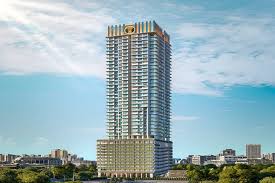
Mumbai’s redevelopment cycle gathered pace this week as Suraj Estate Developers completed the acquisition of Hally Pacific for Rs 30.40 crore, strengthening its land aggregation strategy in Prabhadevi. The transaction signals continued consolidation in one of the city’s most supply-constrained neighbourhoods, where redevelopment of ageing buildings is reshaping both the skyline and housing mix.
The acquisition gives Suraj Estate Developers control over an additional parcel within its existing cluster in Prabhadevi, a central Mumbai micro-market characterised by limited open land and strong end-user demand. Industry analysts note that such purchases typically aim to unlock redevelopment potential under Development Control and Promotion Regulations, enabling higher floor space utilisation and improved building standards. Prabhadevi’s appeal lies in its connectivity and social infrastructure. Positioned between Lower Parel and Dadar, the locality benefits from arterial road access, suburban rail connectivity and proximity to commercial districts. As legacy housing societies and small commercial blocks age, developers have increasingly adopted a cluster-based approach to create viable project scale while offering upgraded rehabilitation units to existing occupants. Market observers say the latest deal underlines how mid-sized developers are using strategic acquisitions to secure contiguous plots rather than pursuing greenfield expansion on the urban periphery. In land-scarce cities like Mumbai, redevelopment remains the primary growth lever. By consolidating smaller holdings, firms can rationalise layouts, introduce modern safety standards and integrate sustainability features such as energy-efficient façades, water recycling systems and solar-ready rooftops.
From a financial perspective, the Rs 30.40 crore consideration reflects ongoing investor confidence in central Mumbai’s residential absorption capacity despite broader cost pressures in the construction sector. Developers active in this belt are targeting premium mid-income and upper-mid segment buyers seeking proximity to workplaces and established civic amenities. Urban planners caution, however, that redevelopment success depends not only on aggregation but also on responsible design. Higher densities must be supported by adequate parking, waste management systems, pedestrian infrastructure and climate-responsive construction practices. The Municipal Corporation’s emphasis on environmental clearances and infrastructure readiness is expected to shape project timelines. The acquisition also reflects a wider trend of portfolio strengthening rather than speculative expansion. Consolidated land banks in well-serviced neighbourhoods reduce execution risk and improve access to institutional finance. For residents, redevelopment can translate into larger, structurally safer homes and upgraded common areas, though transitional displacement remains a sensitive issue that requires transparent stakeholder engagement.
As Mumbai continues to regenerate its core precincts, transactions such as this indicate that redevelopment-led urban renewal will remain central to the city’s housing strategy. The next phase will hinge on how efficiently aggregated parcels are converted into climate-resilient, liveable buildings that align with evolving regulatory and market expectations.
Also Read: Haryana unveils India tallest building plan
Mumbai Suraj Estate deepens redevelopment play
