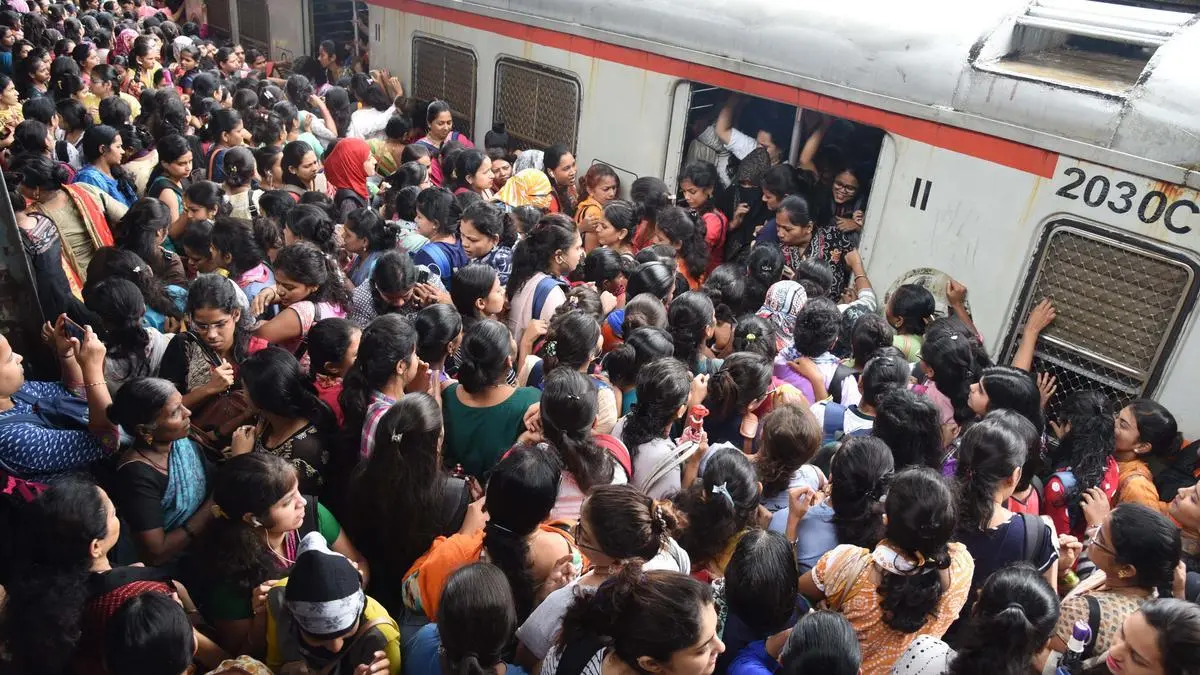
Mumbai Suburban Rail Faces Punctuality And Accountability Pressure
Daily users of the city’s suburban rail network have escalated demands for tangible improvements in local train punctuality and accountability from railway officials, following weeks of persistent delays, cancellations and information gaps, particularly on Central and Harbour line services. The protests reflect broader frustrations with India’s busiest commuter rail system, where operational bottlenecks now directly affect livelihoods, work schedules and gender‑neutral access to safe, reliable transit for millions.
Representatives of commuter associations met with senior Central Railway managers in Mumbai to press for immediate performance gains, warning that railway leadership should offer measurable results — or step aside — if punctuality does not improve swiftly. Their concerns centre on recurring delays exceeding 30 minutes on key suburban routes, including services to Kasara and Karjat, and disruptions to higher‑fare air‑conditioned (AC) locals that many daily passengers rely on for comfort, particularly during peak summer and monsoon periods. For many residents, local trains are more than transit: they are the backbone of urban mobility that supports economic participation, employment access and inclusive city life. Analysts note that delays not only strain daily schedules but can disproportionately affect those with caregiving responsibilities, women commuters balancing work and family mobility, and workers on hourly wages who cannot afford lost time.
Railway officials acknowledged these service pressures but framed them within the context of ongoing infrastructure upgrades — including phased introduction of 15‑coach local trains, platform extensions, and expansion of rolling stock capacity aimed at boosting throughput and easing overcrowding. They cautioned, however, that progress will unfold incrementally as complex works are completed across segments of the suburban network. Infrastructure interruptions — whether signalling adjustments, track work, or temporary cancellations — are common in an ageing system strained by relentless demand. During late‑2025 works on the Mumbai Central–Borivali line, for example, temporary cancellations and capacity blocks were instituted to segregate long‑distance and suburban flows and improve punctuality in the long term.
Urban planners point out that this crisis highlights structural mismatches between supply and demand. Despite being among the world’s busiest commuter systems, Mumbai’s suburban railways still operate under legacy constraints that limit service elasticity, such as shared tracks with mail and express trains, platform capacity limits and partial completion of signalling modernisation. These factors complicate efforts to honour service commitments even as ridership grows. Commuter advocates stress that accountability measures — clear schedules, real‑time passenger information systems, and public reporting of punctuality metrics — must accompany technical upgrades. Transparent performance indicators could help restore trust and ensure that upgrades translate into observable gains for daily travellers, a core requirement for inclusive and climate‑friendly urban mobility.
As demands intensify, policy choices in the Mumbai metropolitan region will likely focus on synchronising rail improvements with broader modal integration, including metro network expansion and last‑mile connectivity, to offer a resilient, reliable alternative to private vehicles. Whether these efforts can balance capacity, safety and equitable access will shape daily life for millions and influence how India’s flagship commuter rail evolves in the decade ahead.