


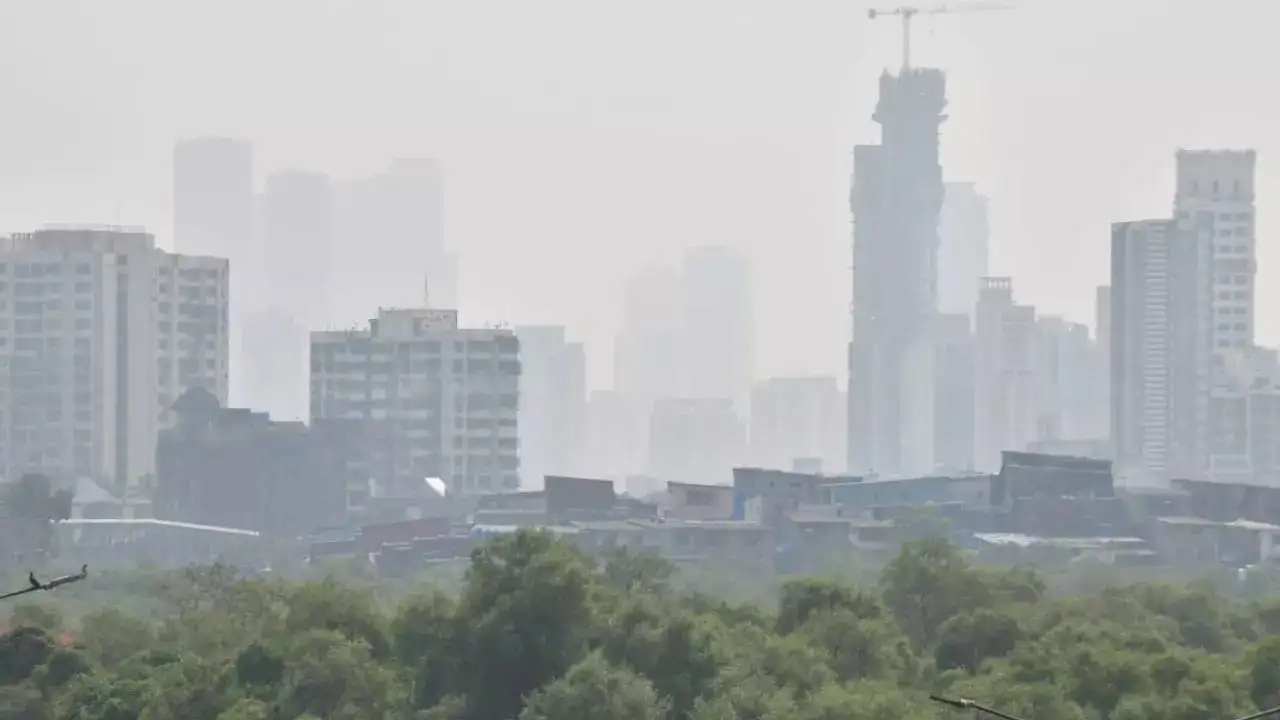
Mumbai, often considered India’s coastal exception in the national air pollution crisis, has seen its clean-air advantage vanish.
A comprehensive four-year study from 2021 to 2024 has confirmed what many residents have long sensed—there is no longer a single season when the city’s air meets national safety standards. PM10 levels have remained consistently above the prescribed limit of 60 µg/m³ throughout the year, debunking the myth that summer brings temporary relief.
The study, conducted using advanced real-time data from air quality analytics platforms, recorded annual PM10 concentrations in Mumbai at 109.3 µg/m³ in 2021, rising to 119.7 µg/m³ in 2022, then slightly dipping to 118.6 µg/m³ in 2023 and 90.0 µg/m³ in 2024. Despite the recent decline, the levels remain dangerously high. PM10 refers to coarse particulate matter—tiny airborne particles produced by road dust, smoke, industrial emissions, and vehicular activity—which can penetrate deep into the lungs and trigger respiratory diseases.
What’s particularly alarming is the geographical spread of the problem. Unlike some metros where pollution is seasonal or confined to specific industrial zones, Mumbai’s PM10 burden is citywide. Suburbs like Malad West, where PM10 levels surged to 154.5 µg/m³ in 2024—a nearly 50% increase from the previous year—have become unexpected pollution hotspots. In Shivaji Nagar, the PM10 count hit a staggering 211 µg/m³ in 2023 before easing to 102.2 µg/m³ in 2024, still far above acceptable limits. Meanwhile, Siddharth Nagar in Worli, another busy area, has seen a sharp and steady rise, ending 2024 with 105.1 µg/m³.
Other neighbourhoods including Chakala in Andheri East, Deonar, Kurla, Vile Parle West, and Mazgaon, have reported persistent violations of national safety standards over the four-year period. According to experts involved in the study, the situation is the result of a complex mix of factors: relentless construction activity, unchecked traffic emissions, poor dust control protocols, and inadequate enforcement of environmental regulations.
The assumption that Mumbai’s sea breeze offers a natural cleansing mechanism has clearly not held up against the overwhelming load of urban emissions. While many cities in northern India battle pollution peaks in winter due to temperature inversions and crop burning, Mumbai now faces the unique challenge of sustained year-round exposure.
Urban planners and environmentalists argue that the path forward must involve a radical rethinking of infrastructure development and mobility solutions. Expanding public transport, regulating construction activity more stringently, mandating on-site dust suppression, and improving last-mile connectivity could be crucial steps in addressing this silent urban emergency.The data makes one truth abundantly clear—Mumbai’s air is under siege, and waiting for seasonal change will no longer offer relief. For a city striving to be both sustainable and liveable, bold, accountable action is not just desirable but essential. The time for half-measures has passed; what Mumbai needs now is a systemic shift backed by policy enforcement and citizen participation.
Also Read : https://urbanacres.in/delhi-government-to-tackle-pollution-with-dust-control-measures/
