Mumbai Strengthens Long Haul Hub With Air India 787
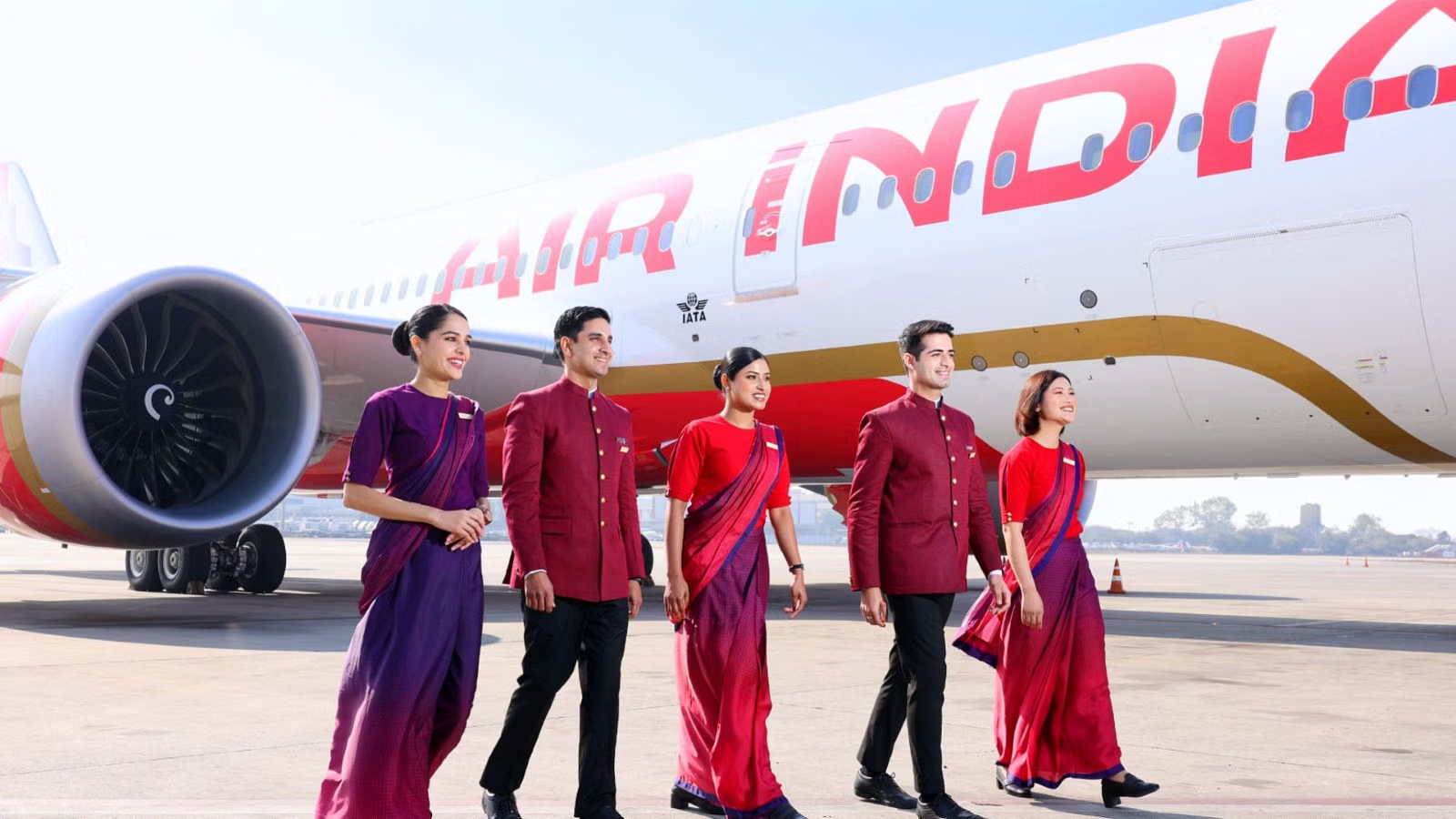
Mumbai’s role as a strategic long-haul aviation hub is poised for revival as Air India accelerates deployment of its modern Boeing 787 Dreamliner fleet to strengthen international connectivity and better serve the city’s corporate and premium travel markets. The first line-fit 787-9 Dreamliner — the first widebody built to the airline’s specifications from its large aircraft order — is set to enter service on the Mumbai–Frankfurt corridor from February 1, marking a renewed emphasis on long-distance routes from India’s financial capital.
Industry analysts say this shift reflects a deliberate network realignment that responds to stronger yield potential in business and intercontinental traffic emanating from Mumbai. Historically, international capacity from the city has been constrained relative to alternative gateways like Delhi, despite Mumbai’s status as a corporate travel epicentre. By introducing upgraded Dreamliners with enhanced cabins and inflight amenities, Air India aims to capture higher-value demand that has previously been underserved.The Dreamliner’s advanced design — including fully flat business cabins, next-generation entertainment systems and improved passenger comfort across classes — aligns with global expectations for long-haul travel and supports the airline’s broader fleet modernisation under its multi-year transformation programme. The aircraft will complement existing services to key destinations including London and New York, and sets the stage for additional long-haul routes under evaluation, potentially extending connections to East Asia and Africa.
Mumbai’s aviation ecosystem stands to benefit beyond passenger numbers. Enhanced connectivity stimulates demand for business travel, corporate tourism, and MICE (Meetings, Incentives, Conferences and Exhibitions) activity, anchoring investment in hospitality, transport and local services. Urban economists highlight that robust long-haul capacity can strengthen a city’s integration with global economic networks, attracting multinational engagements and enabling more sustainable travel patterns compared with indirect routings via alternative hubs.However, delivering on this network ambition will require parallel investments in airport infrastructure and air traffic management. Chhatrapati Shivaji Maharaj International Airport — already operating near capacity — must manage the operational complexities of larger widebody movements and passenger flows, while maintaining efficiency for freight and domestic operations. Strategic planning around gate utilisation, ground handling and passenger experience will be key to unlocking the economic benefits of expanded long-haul connectivity.
Aviation stakeholders also caution that realising new long-haul services involves disciplined commercial planning. Routes must balance seasonal demand, competitive dynamics and cost variables such as fuel price volatility and currency fluctuations. Notwithstanding these challenges, Air India’s focus on high-yield markets from Mumbai represents a calculated pivot: enhancing the city’s global gateway status while bolstering profitability.
As the 787-9 enters service and the wider fleet modernisation continues, Mumbai’s international aviation profile is set to deepen, reinforcing its strategic role in India’s global transport network and urban economic growth.