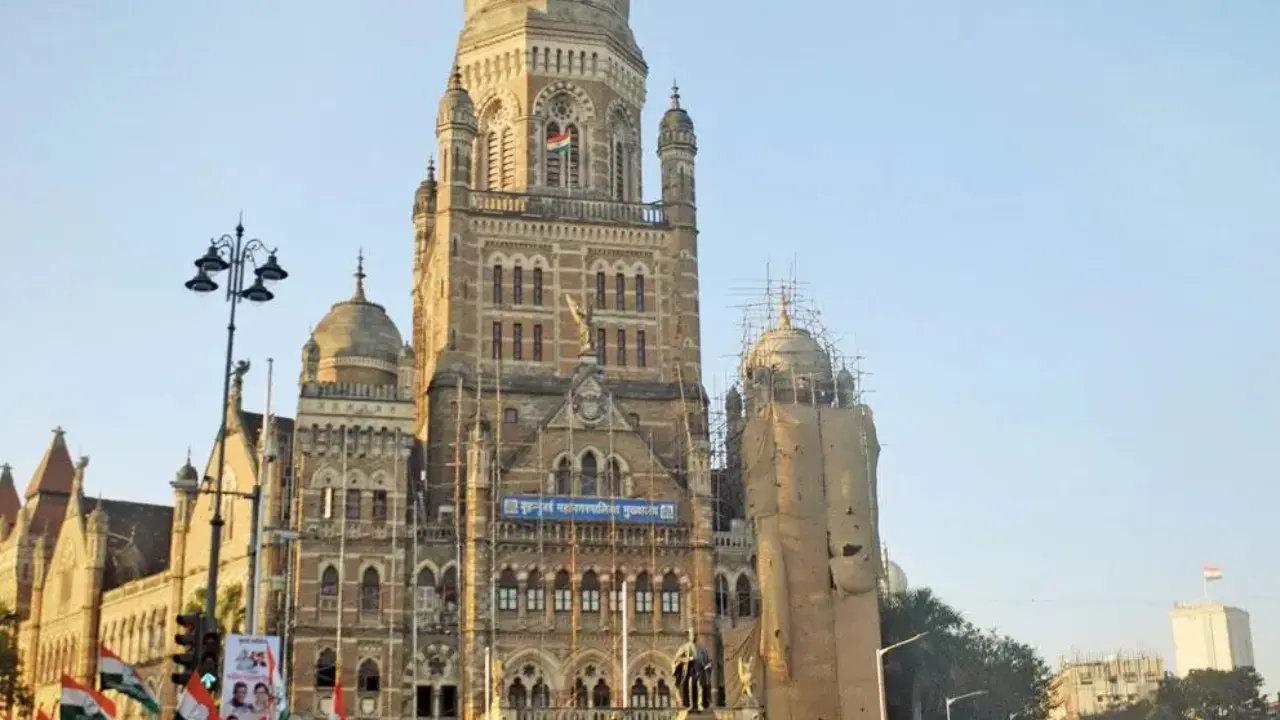
Mumbai is set to enter a new phase of climate-focused urban governance as the state prepares to roll out the Green Mumbai initiative, a multi-sector programme aimed at improving air quality, reducing carbon emissions, and reshaping infrastructure growth across India’s financial capital. The initiative is expected to integrate transport, construction, industry, and municipal finance into a single climate-aligned framework, signalling a shift from fragmented environmental interventions to coordinated urban action.
At its core, the Green Mumbai initiative positions clean air and sustainable mobility as central to the city’s long-term economic and public health resilience. State officials overseeing the programme say it will consolidate ongoing and upcoming infrastructure projects under common environmental benchmarks, ensuring that growth in transport capacity, housing, and commercial development does not intensify pollution loads or climate risks. A significant component of the plan involves tighter oversight of construction activity, one of Mumbai’s largest sources of particulate pollution. Civic authorities have expanded real-time monitoring of active construction sites, with compliance mechanisms linked to dust suppression, material handling, and emission norms. Parallel efforts are underway to transition small and medium industries towards cleaner fuel sources, reducing localised pollution hotspots that disproportionately affect dense residential areas.
Urban mobility forms another critical pillar of the Green Mumbai initiative. The state’s strategy aligns metro rail expansion, electric bus deployment, and traffic management reforms to reduce private vehicle dependence. Transport planners note that recent additions to the metro network have already altered commuting patterns at major congestion points, demonstrating how mass transit investments can deliver measurable air quality benefits alongside travel-time savings. Financial structuring distinguishes the initiative from earlier environmental programmes. Mumbai has institutionalised climate budgeting as part of its annual municipal planning process, earmarking a substantial share of capital expenditure for projects with measurable climate outcomes. This approach embeds sustainability into fiscal decision-making, rather than treating it as a standalone policy goal. Urban finance experts say such alignment improves accountability while offering long-term clarity to infrastructure developers and investors.
The Green Mumbai initiative also carries implications for the real estate sector. Developers operating within the city’s redevelopment and infrastructure corridors are expected to face stricter environmental performance requirements, particularly around construction emissions, energy use, and mobility integration. Analysts believe this could accelerate adoption of green building practices while enhancing asset resilience in a market increasingly sensitive to climate risk. From a governance perspective, officials describe the programme as a move towards outcome-based urban management, where pollution reduction, emission cuts, and mobility shifts are tracked alongside traditional infrastructure delivery metrics. The initiative positions Mumbai as an early adopter of climate-integrated city planning in South Asia, with a long-term objective of achieving net-zero emissions by mid-century.
As implementation begins, the effectiveness of Green Mumbai will depend on coordination between state agencies, the municipal corporation, transport operators, and private stakeholders. If executed consistently, the programme could redefine how megacities balance economic momentum with environmental responsibility—an increasingly urgent challenge for urban India.
Mumbai State Unveils Green Mumbai Urban Plan