


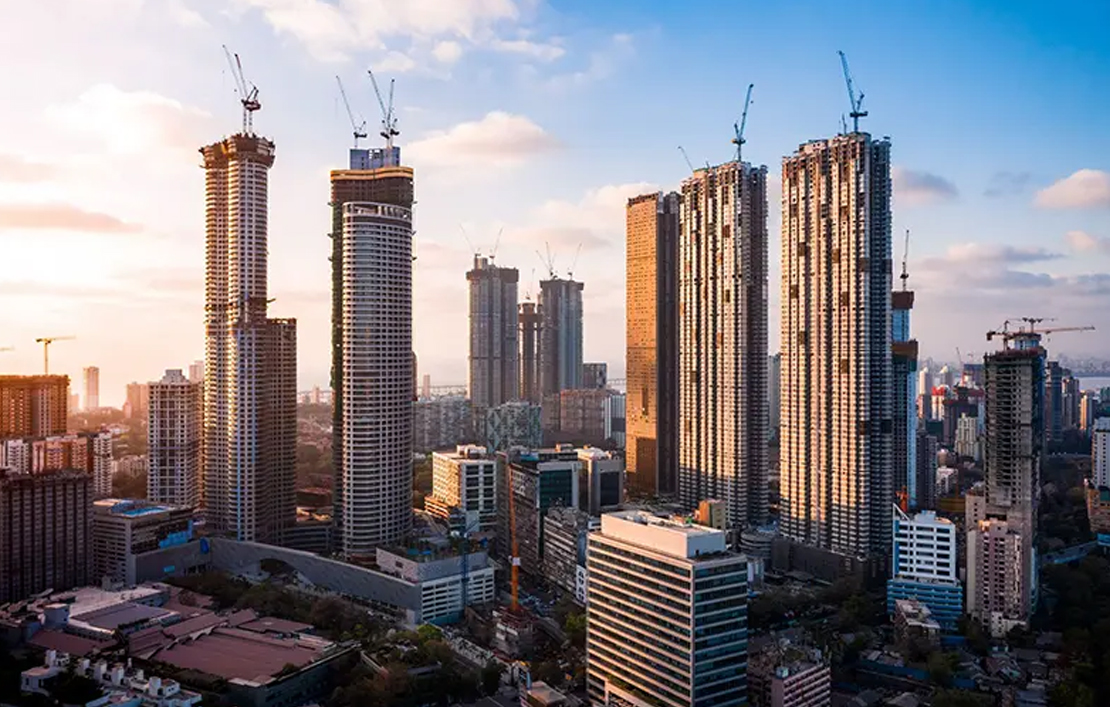
A large-scale redevelopment mandate in South Mumbai has been awarded to a private developer, marking one of the most significant urban renewal decisions in the city’s dense and ageing core in recent years. Valued at roughly ₹50 billion, the project is expected to transform a cluster of old residential buildings into a modern housing precinct, underscoring Mumbai’s increasing reliance on redevelopment rather than greenfield expansion.
The South Mumbai redevelopment involves rebuilding ageing structures that no longer meet contemporary safety, space, or environmental standards. For residents, such projects are often the only viable pathway to improved living conditions in areas where land availability is virtually exhausted. For the city, they represent a crucial tool to upgrade infrastructure, improve structural safety, and unlock housing supply without pushing development further into ecologically sensitive outskirts. Urban planners say the scale of this redevelopment reflects a broader shift in Mumbai’s housing strategy. As premium land parcels become scarce, redevelopment projects in established neighbourhoods are drawing intense competition from well-capitalised developers capable of managing complex stakeholder negotiations, regulatory approvals, and long execution timelines. “Redevelopment in South Mumbai is not just about new buildings; it’s about retrofitting the city for the next fifty years,” said an urban renewal expert familiar with similar projects.
Economically, the South Mumbai redevelopment is expected to generate significant downstream activity. Construction jobs, allied services, and municipal revenues typically rise during such multi-year projects. At the same time, analysts caution that redevelopment-led growth must balance commercial viability with social equity, particularly for existing residents who depend on timely delivery and transparent rehabilitation terms. Environmental considerations are increasingly central to such projects. South Mumbai’s coastal location makes climate resilience a non-negotiable requirement. Experts point to the need for flood mitigation measures, energy-efficient building systems, and reduced construction waste as redevelopment accelerates. With sea-level rise and extreme rainfall events becoming more frequent, how redevelopment projects respond to these risks will shape their long-term success. From a market perspective, the project highlights continued confidence in South Mumbai as a premium residential address, despite shifting preferences towards suburban and peripheral locations. Real estate analysts note that demand for centrally located housing remains resilient among buyers seeking proximity to employment hubs, cultural institutions, and established social infrastructure.
Looking ahead, policymakers and civic authorities will closely watch execution milestones. Large redevelopment projects have historically faced delays due to litigation, financing challenges, or coordination gaps. The outcome of this South Mumbai redevelopment could set important benchmarks for future urban renewal initiatives across the city, influencing how Mumbai balances density, liveability, and climate preparedness in its most historic neighbourhoods.
Also Read: MyHome Group Expansion Signals Pan India Shift
Mumbai South Redevelopment Deal Reshapes Urban Core
