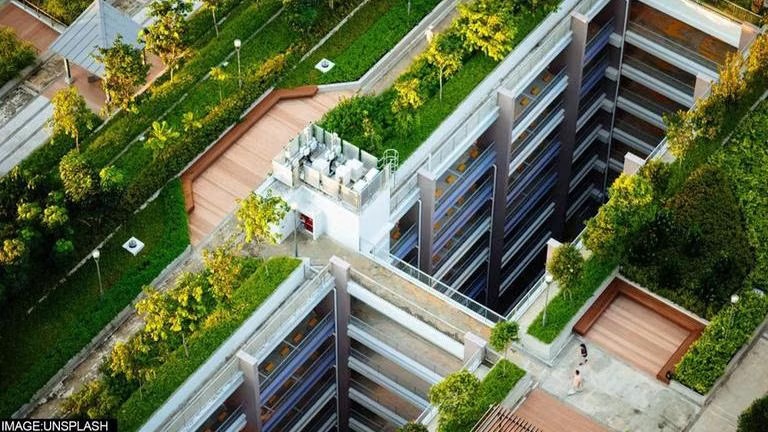
Mumbai Society Landscaping Gains Ground In High Rises
Across Mumbai’s rapidly densifying residential districts, landscaping is emerging as a critical factor shaping how housing societies upgrade their shared environments. Urban planners and property consultants say a growing number of high-rise complexes and gated communities are investing in large-scale garden redesigns to improve liveability, environmental performance and long-term property value.
In many parts of the Mumbai Metropolitan Region, residential developments built in the early 2000s are now undergoing upgrades to ageing open spaces. Society committees are commissioning comprehensive redesigns of podium decks, entrance gardens and community lawns to create greener, more functional outdoor areas. These initiatives reflect a broader shift in urban housing priorities as residents increasingly seek access to nature within dense vertical neighbourhoods.
Industry observers note that Mumbai society landscaping projects are no longer limited to decorative planting. Many housing associations are now opting for integrated landscape planning that includes pedestrian pathways, shaded seating areas, children’s play zones and outdoor wellness spaces. Such features, experts say, encourage social interaction and physical activity while making residential campuses more inclusive for elderly residents and families. Podium gardens and green spaces built atop parking structures or building podiums are also becoming a focal point of redevelopment efforts. These areas were often left as minimal concrete surfaces in older developments. Landscape architects are now converting them into layered gardens with planters, pergolas, native tree species and recreational corners designed to withstand the city’s humid climate and heavy monsoon rainfall.
Environmental resilience is another factor driving the transformation. Designers involved in Mumbai society landscaping initiatives say residential communities are increasingly requesting drought-tolerant plants, permeable pathways and smart irrigation systems that reduce water consumption. In some cases, rainwater harvesting and biodiversity-friendly planting schemes are being incorporated to support urban micro-ecosystems and reduce heat stress in dense neighbourhoods. The economic dimension is equally significant. Property consultants suggest that well-designed common landscapes can influence buyer perception and resale values in competitive micro-markets such as Thane, Navi Mumbai and western suburbs of the city. Housing societies undergoing renovation often treat landscaping improvements as a strategic investment rather than a cosmetic upgrade.
Execution of such projects typically involves a mix of horticultural planning, soil improvement, lighting design and long-term maintenance strategies. Several specialised landscaping firms operating in the Mumbai region now offer site assessments, concept plans and phased redevelopment models tailored for residential societies managing limited budgets. Urban development researchers say the trend also aligns with broader conversations about climate-sensitive urban living. As cities become denser, shared green infrastructure within residential complexes can help offset the decline of public open spaces while contributing to cooling, biodiversity and improved air quality.
With redevelopment cycles accelerating across Mumbai’s housing stock, the redesign of community landscapes may increasingly shape how residents experience everyday urban life turning previously underused corners of housing societies into active, climate-responsive neighbourhood commons.