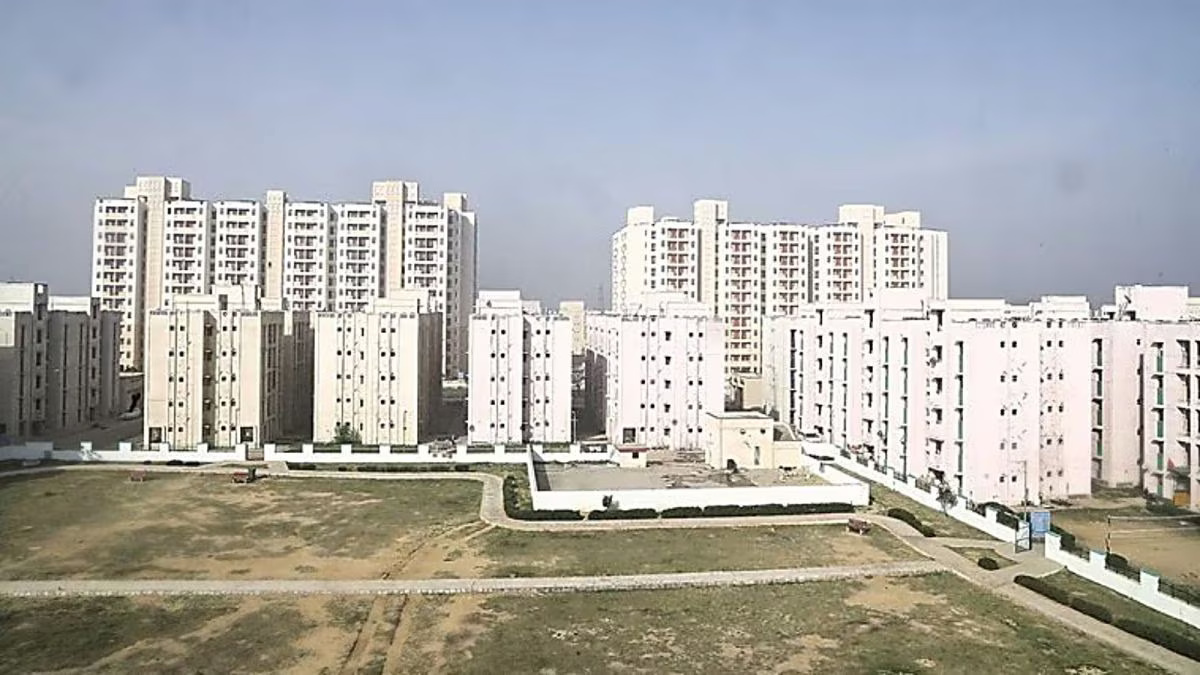
Mumbai’s ability to expand roads, metro lines, tunnels, and public institutions over the past three decades has relied heavily on a less visible but critical pillar: rehabilitation housing for displaced families. Official records indicate that more than 97,000 project-affected families have been resettled across the city since the mid-1990s, underscoring the scale at which redevelopment and infrastructure delivery are intertwined.
The rehabilitation programme has largely been implemented through slum redevelopment projects, where private developers are mandated to construct additional housing units for families displaced by public works. These homes are then transferred to public agencies such as the municipal corporation or the metropolitan development authority, depending on project requirements. The standard per-unit cost has been fixed to ensure financial viability while maintaining minimum housing standards. Urban planners point out that this approach has allowed Mumbai to pursue large infrastructure projects despite severe land constraints. Transport corridors, judicial complexes, tunnels, and civic facilities have all depended on timely resettlement to clear sites and comply with legal safeguards. Without a functioning rehabilitation pipeline, many of these projects would have faced prolonged delays or legal challenges.
Recent allotments reflect how rehabilitation continues to support ongoing infrastructure expansion. Families displaced by new tunnel alignments linking the western suburbs have been rehoused, while additional units are under construction to meet future requirements. Separate rehabilitation efforts have also addressed long-pending relocation inside protected forest zones, following multiple court directives aimed at balancing environmental protection with humane resettlement. Public authorities have also reserved housing for families affected by civic and cultural projects, as well as those displaced by the construction of major institutional buildings. Over the last year alone, several hundred units have been transferred to implementing agencies to ensure that construction schedules remain uninterrupted.
A closer look at the distribution of homes highlights the central role of transport-led development. A significant share of rehabilitated families were relocated due to metro rail projects, reflecting the spatial footprint of Mumbai’s expanding public transport network. Other allotments were made directly to affected households through the rehabilitation authority, particularly in smaller redevelopment pockets. Housing experts caution, however, that scale alone does not resolve deeper challenges. Many rehabilitation sites are located far from original neighbourhoods, affecting livelihoods, school access, and social networks. The long-term success of resettlement depends on whether housing is integrated with transport access, healthcare, education, and employment opportunities.
As Mumbai enters a new phase of infrastructure growth—from underground tunnels to airport-linked corridors—the demand for rehabilitation housing is expected to rise further. Policymakers and planners now face the task of ensuring that future resettlement is not only faster, but also more inclusive, climate-resilient, and better connected. The past three decades show that rehabilitation is not a peripheral issue in urban development—it is one of its most decisive foundations.
Mumbai Slum Redevelopment Rehouses Thousands Of Displaced Families