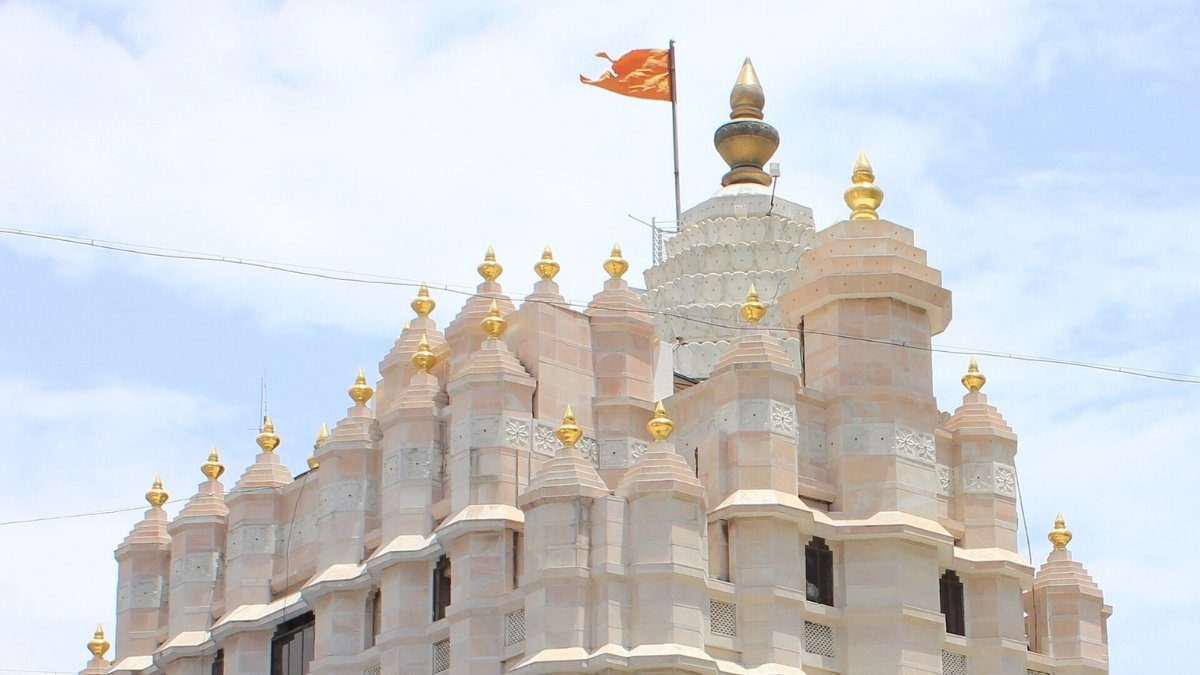
Mumbai’s urban and religious landscape is poised for a significant transformation with plans to develop a dedicated corridor centred around the Siddhivinayak Temple, linking it with other prominent shrines across the Mumbai Metropolitan Region (MMR). The proposed initiative aims to improve pilgrim movement, pedestrian safety, and last-mile connectivity while addressing long-standing congestion challenges around some of the city’s most visited religious precincts.
According to officials familiar with the proposal, the corridor is envisioned as a structured network connecting Siddhivinayak with key temples such as Mumbadevi, Babulnath, and Mahalaxmi. These locations currently attract large daily footfalls but operate as isolated nodes within dense urban neighbourhoods. Planners say a coordinated corridor could enable smoother movement between sites, reduce traffic pressure on adjoining roads, and improve overall visitor experience. Urban mobility experts point out that temple areas in Mumbai often struggle with narrow access roads, fragmented footpaths, and unregulated vending, leading to frequent bottlenecks and safety risks—especially during festivals and weekends. A formalised corridor could introduce continuous pedestrian pathways, better crowd management systems, designated vendor zones, and improved lighting and signage. Integration with suburban rail, metro stations, and bus routes is also being explored to reduce reliance on private vehicles.
Beyond mobility, the initiative carries broader economic and spatial implications. Religious tourism supports thousands of informal livelihoods, from flower sellers and small eateries to transport operators. A planned corridor could help organise these activities more equitably, offering improved infrastructure without displacing local communities. Urban economists note that such projects, if sensitively designed, can strengthen neighbourhood economies while preserving cultural character. Environmental considerations are also expected to shape the project’s design. Several of the proposed temple links pass through older neighbourhoods and environmentally sensitive zones near the coast and hill areas. Planners stress the need for climate-resilient materials, effective stormwater management, shaded walkways, and minimal tree loss to ensure the corridor aligns with Mumbai’s long-term sustainability goals.
While the proposal has emerged amid heightened political activity ahead of civic elections, governance experts caution that successful delivery will depend on inter-agency coordination and transparent planning. Issues such as land acquisition, heritage conservation, and crowd capacity limits will require careful assessment. Past experiences with large urban projects suggest that early engagement with local residents and temple trusts will be critical to avoid delays and opposition. If implemented effectively, the Siddhivinayak-led shrine corridor could serve as a model for upgrading other high-footfall precincts across the MMR, including markets, waterfronts, and heritage districts. For a city grappling with density and mobility pressures, the project represents an opportunity to demonstrate how cultural infrastructure can be woven into people-first, low-emission urban planning. The coming months are expected to bring greater clarity on timelines, funding, and design standards, determining whether the vision translates into a lasting civic asset.
Mumbai Siddhivinayak Temple Set to Connect Major MMR Shrines