


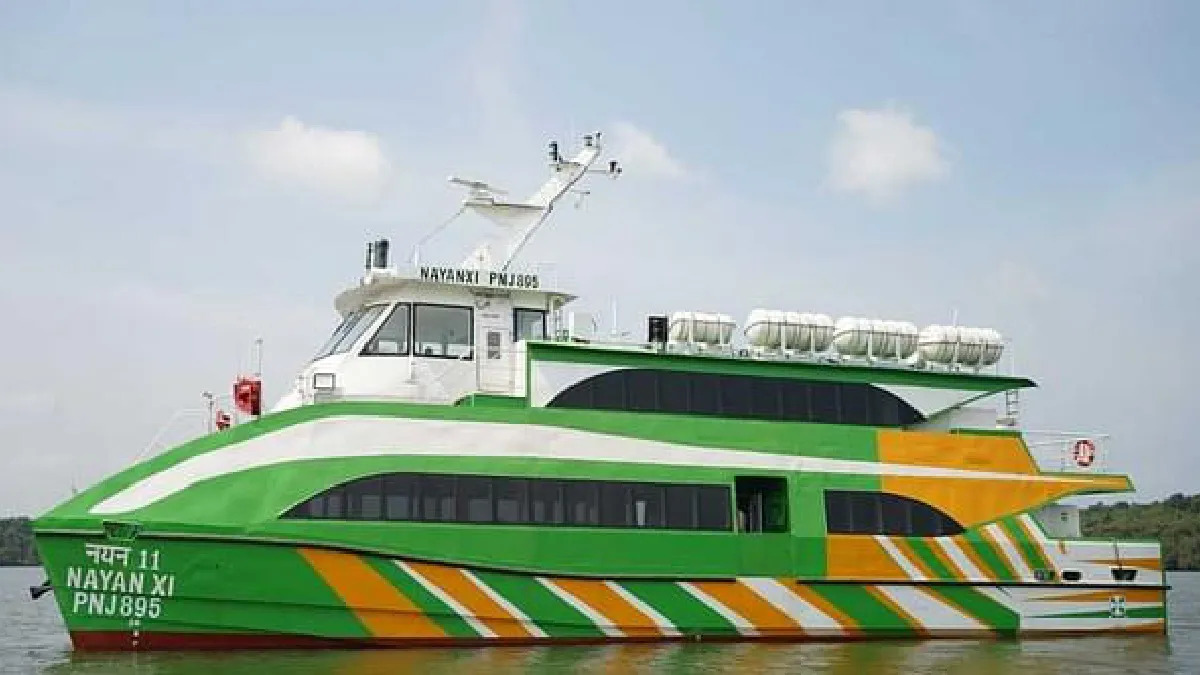
Mumbai’s urban landscape is poised for a significant transformation with the long-awaited launch of its electric water taxi service. Scheduled to commence operations on September 22, this initiative marks a pivotal step in the city’s journey towards sustainable mobility and reduced carbon footprint. The new service will provide a fast, eco-friendly, and more comfortable alternative for commuters travelling between the Gateway of India/Mumbai Ferry Wharf and the Jawaharlal Nehru Port Authority (JNPA), directly addressing the pressing need for modern, low-emission transport infrastructure in one of the world’s most congested metropolises.
The introduction of these vessels is a strategic move to decongest land-based transport corridors and improve coastal connectivity. The service will drastically reduce travel time from over an hour on the traditional wooden boats to less than 40 minutes, offering a substantial productivity gain for daily commuters. A senior official with the operating company confirmed that the first phase will involve two vessels, a hybrid model powered by solar energy, electric batteries, and a diesel backup for reliability, and a fully electric vessel. Both can be fully charged in under an hour, a critical metric for maintaining high operational frequency. The shift from diesel-powered wooden boats to a hybrid and fully electric fleet is expected to significantly cut down on fossil fuel consumption and noxious emissions, directly contributing to Mumbai’s ambitious climate action goals.
The vessels themselves represent a leap forward in marine engineering and design. Built with composite materials like fibreglass and glass, the new fleet offers greater stability and a smoother ride than older vessels. This enhanced passenger experience, coupled with the promise of air-conditioned comfort and quicker travel times, is a compelling value proposition that aims to attract a wider demographic of commuters. According to an official, the second phase of the project includes the deployment of four hydrogen-powered boats, pending the installation of necessary refuelling infrastructure. This forward-looking plan signals a commitment to exploring next-generation green technologies, positioning Mumbai at the forefront of sustainable urban transport innovation.
Beyond daily commuting, the project has a strategic focus on expanding coastal tourism. The operating company has articulated plans to extend services to popular destinations such as the Elephanta Caves, Belapur, and Alibaug. The service also plans to introduce dedicated harbour tourism circuits, providing a cleaner and more efficient way for tourists and residents to access heritage sites and leisure hubs. This expansion not only creates new economic opportunities but also aligns with a holistic vision for a more liveable city, one where waterways are leveraged as a clean and efficient mode of both daily transport and recreation. The initiative stands as a tangible example of public-private cooperation to create infrastructure that is not only commercially viable but also serves a broader societal good.
This launch is a significant milestone in Mumbai’s ongoing urban development narrative. The project provides a blueprint for how a bustling megacity can integrate eco-friendly solutions into its core infrastructure to build a more equitable and sustainable future. By focusing on zero-emission technology, the water taxi service serves as a powerful symbol of the city’s commitment to creating a healthier environment for its citizens, proving that sustainable development and economic progress can and must go hand-in-hand.
Also Read :India ports present master plans for sustainable growth
