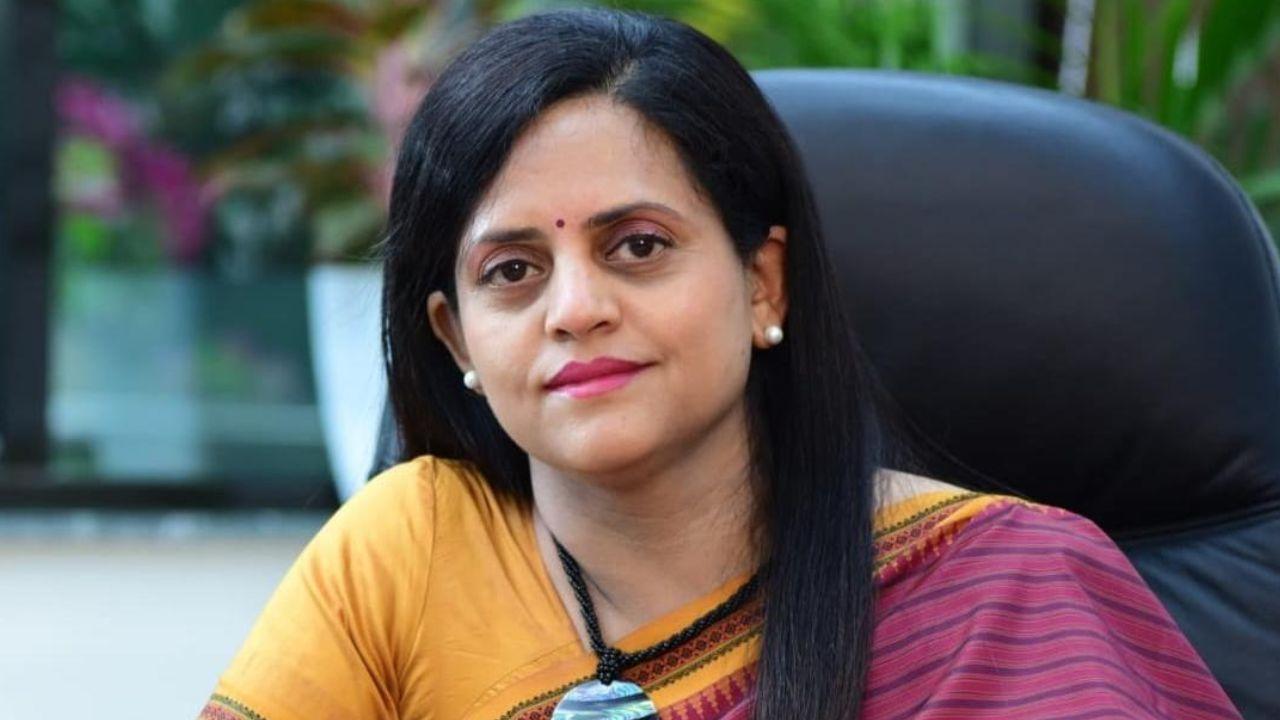
Mumbai’s top civic post is poised for a potentially historic transition, with senior bureaucrat Ashwini Bhide emerging as the leading candidate to head the Brihanmumbai Municipal Corporation (BMC). The anticipated appointment comes at a crucial time for India’s financial capital, as the city navigates mounting climate pressures, infrastructure expansion, and the need for more inclusive urban governance.
Officials familiar with the development indicate that the state leadership under Devendra Fadnavis has signalled approval for the move, with a formal notification expected following the retirement of the incumbent commissioner. If confirmed, Bhide would be the first woman to lead the BMC in its over century-long history, marking a notable shift in institutional leadership within one of India’s most resource-rich municipal bodies. The timing of the transition is significant. Mumbai is currently undergoing large-scale infrastructure upgrades, including metro rail expansion, coastal road development, and flood mitigation projects. Urban planners note that leadership continuity and administrative clarity will be critical in aligning these investments with long-term sustainability goals, especially in a city increasingly vulnerable to extreme weather events and sea-level rise.
Bhide’s administrative track record includes overseeing complex infrastructure delivery during her tenure at the Mumbai Metro Rail Corporation, where she managed high-value, technically challenging urban mobility projects. Her experience is seen by experts as particularly relevant at a time when Mumbai’s development agenda is closely tied to transit-oriented growth, carbon reduction targets, and improved public service delivery. The race for the commissioner’s role had drawn multiple senior bureaucrats, including those currently handling metropolitan planning, public works, and state-level administrative portfolios. However, Bhide’s familiarity with Mumbai’s evolving infrastructure landscape appears to have strengthened her position as the preferred choice.
For citizens, the leadership change comes with expectations of more responsive governance, especially in areas such as waste management, air quality, stormwater drainage, and equitable access to urban services. Civic analysts point out that the BMC’s decisions over the next few years will directly influence how effectively Mumbai transitions towards a more climate-resilient and liveable city. Institutionally, the appointment also reflects a gradual shift towards greater gender representation in senior administrative roles, aligning with broader conversations around inclusive governance in India’s urban centres.
As Mumbai prepares for the next phase of its urban transformation, the incoming commissioner will be tasked with balancing rapid development with environmental safeguards and social equity—priorities that are increasingly shaping the future of global megacities.
Mumbai Set For Historic Shift With Ashwini Bhide As BMC Commissioner