


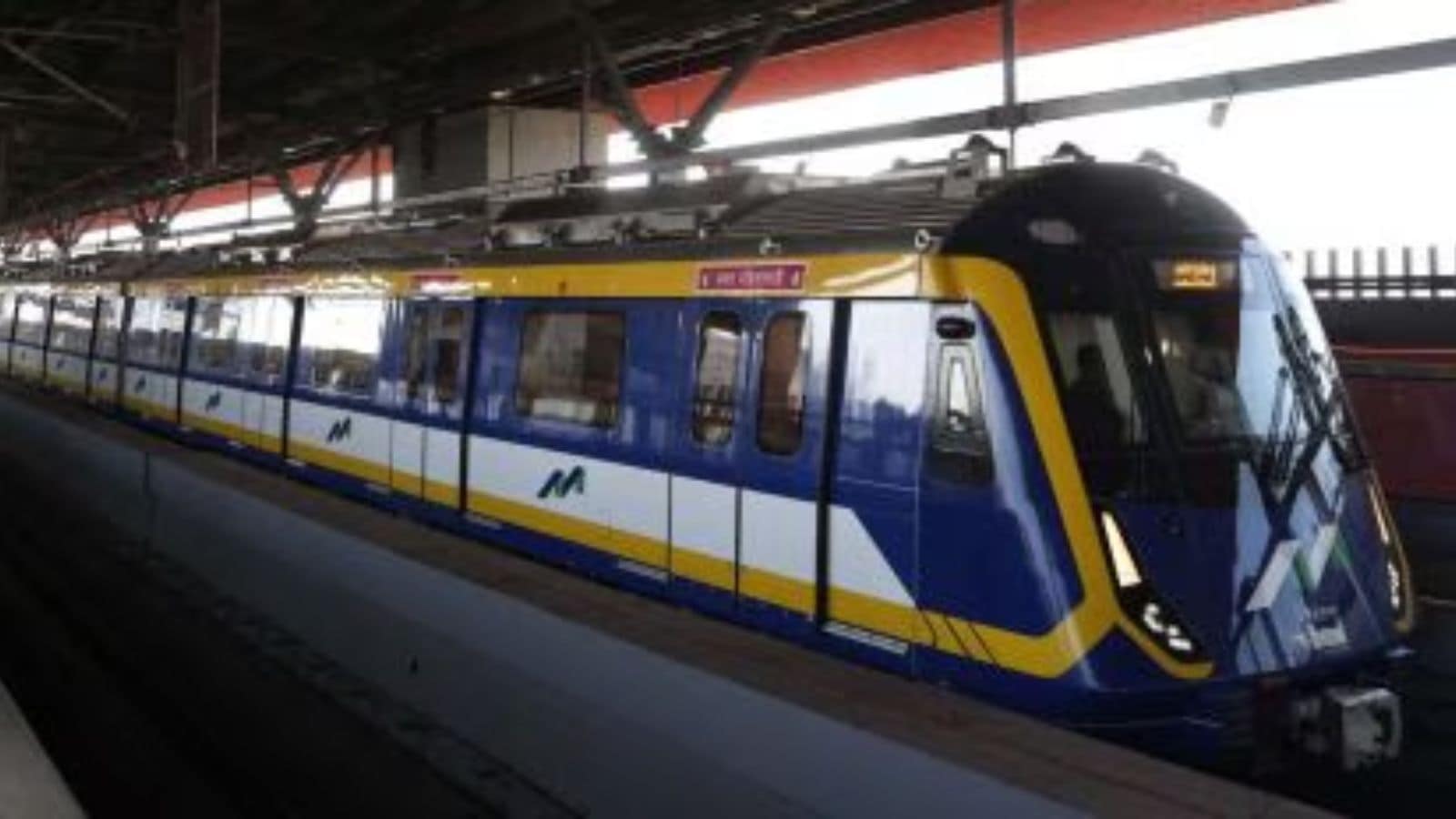
Mumbai’s elevated Metro Lines 2A and 7 could see an eventual revision of ticket prices as the state government has initiated the process to set up a statutory Fare Fixation Committee. The proposal, recently forwarded to the Union government, marks the first formal move towards reassessing tariffs on the north–south corridors that together form a critical mobility spine between Andheri West, Gundavali and Dahisar. Any future decision is expected to balance operational sustainability with the need to keep mass transit accessible for daily commuters.
The Cabinet cleared the formation plan last month under the Metro Railways Operations and Maintenance Act, 2002. The legislation mandates that any fare review must be carried out by a three-member committee comprising a serving or retired high court judge and senior officials nominated by both state and Centre. Once approved, the committee will examine running costs, ridership behaviour and revenue trends before recommending whether fare adjustments are justified. Officials involved in the proposal argue that the lines are operating under intense financial pressure. Since the network’s full commissioning in 2022, weekday ridership has stabilised around 2.65 lakh passengers — significantly lower than the initial projection of nine lakh. According to senior transport planners, the mismatch between forecast and actual demand has constrained the operating agency, which continues to bear high expenditure on staffing, traction power, station maintenance and passenger-safety systems. Such operating pressures, they note, are common in the early years of metro corridors worldwide, especially in dense cities transitioning from private vehicle dependency to mass rapid transit.
Both routes currently maintain lower fares than some other corridors in Mumbai’s expanding metro network. Trips covering three to twelve kilometres cost around twenty rupees — roughly half the rate on the east–west Metro Line 1 or the new underground Line 3. Experts say this fare policy was useful in building initial ridership during the launch phase but may not reflect long-term financial requirements as the system matures. The proposed committee will therefore benchmark local fares against comparable Indian metros and determine whether a revised tariff band could support sustainable operations without burdening regular users. Commuter groups, however, remain concerned that any upward revision could hit daily travel budgets, particularly for workers relying on predictable and affordable public transport. Mobility specialists say the challenge is to maintain a pricing model that encourages a shift away from private vehicles — an essential element in creating low-carbon, inclusive city mobility systems — while ensuring that metro infrastructure remains financially viable.
The Centre is expected to take up the proposal shortly. If the committee is approved, its report will be submitted to the state government for final clearance. Any tariff change, officials emphasise, will be implemented only after a detailed review and public communication, underscoring the need to protect commuter interests while building a resilient and climate-aligned transport network.
Also Read: Navi Mumbai Launches Eight New EV Charging Stations To Boost Clean Mobility
