


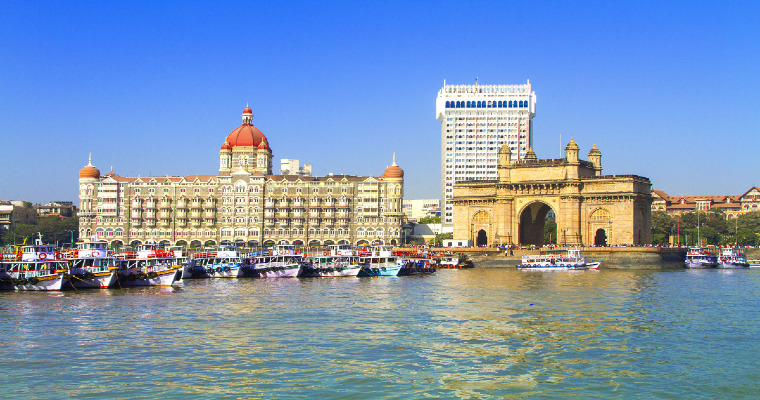
Mumbai today continues under the monsoon’s inescapable grip as steady rainfall, high humidity, and moderate winds shape daily life across the city. With temperatures hovering around 28 °C and damp conditions persisting, authorities and residents alike are adapting to the realities of a monsoon that is both vital and testing for urban resilience.
The wettest season for Mumbai has arrived, marked not only by elevated humidity levels of around 82–84 %—a reality confirmed by recent sensor readings—but also by persistent showers that bring both relief and challenge. According to AQI.in, the city recorded approximately 17 mm of rain on Wednesday, June 25, and the daily weather widget confirms a recurring pattern of cloud cover, drizzle, and moderate winds extending into early next week—typical for monsoon season . Persistent precipitation serves a critical ecological purpose—replenishing reservoirs, supporting groundwater recharge, and sustaining green cover. Mumbai’s 2213 mm average annual rainfall, heavily concentrated between June and September, plays a central role in its water security . However, the downpour also presents significant urban challenges.
Heavy rain combined with high humidity has left many low-lying neighbourhoods waterlogged, straining drainage infrastructure and disrupting the daily commute. With a 91 % chance of precipitation recorded on June 25 and no substantial dry interlude, driving conditions remain slippery and hazardous. Officials are urging motorists to observe caution and carry rain gear to ensure safety . Wind gusts peaking around 30–34 km/h provide slight relief from the humidity, but also introduce gusty conditions especially near the coast. Visibility has hovered near 8–10 km, consistent with drizzle and mist, which keeps the UV index low—around 0.6—but also sustains muggy conditions . Air quality remains in the “moderate” zone (AQI ~69) due to rain-scrubbing of pollutants, a short-term environmental benefit.
Looking ahead, forecasts signal continued rainfall with no significant dry window in sight. Rainfall on June 26 is expected at 9–10 mm, while June 27 may bring over 23 mm—potentially the wettest day of the week—followed by sustained precipitation through June 28–30. July 1 may see a modest improvement, with around 18 mm forecast—still within monsoon norms . Across the metropolitan region, the uniformity of temperature—spanning 27–30 °C through the week—reflects a typical monsoon plateau. It’s a comfortable shift from pre-monsoon highs of 34–35 °C, yet the combination of warmth and moisture ensures that outdoor conditions remain challenging .
This season highlights the balance Mumbai must strike between climate resilience and urban living. As rainfall replenishes essential water bodies, it also tests the city’s stormwater systems, transportation networks, and public safety protocols. Environmental planners stress that sustainable, gender-neutral infrastructure—such as well-lit shelters, covered walkways, and improved drainage—can help communities navigate monsoon impacts more equitably. The experience also underscores the value of low-carbon urban design. Green roofing and rainwater harvesting not only reduce run-off but also ease the urban heat island effect—crucial as humidity and temperature rise. Experts note that integrating these measures into streetscapes and public buildings can enhance city-wide resilience while advancing zero-net carbon goals .
An official from the municipal climate adaptation team notes that the City Climate Action Plan—which includes enhanced monitoring, community alerts, and infrastructure upgrades—is designed to withstand intensifying monsoon patterns due to climate change. Such plans must also centre social equity, ensuring that women, elderly, and low-income communities are supported during inclement weather without disrupting their livelihoods . In practical terms, residents are urged to carry umbrellas, plan commutes carefully, and participate in community forums to flag trouble spots. Commuters should expect potential delays, especially on suburban rail routes prone to waterlogging.
As Mumbai remains immersed in monsoon mode, the city must both endure and evolve. Steady rains have their ecological benefits, but they also reveal infrastructural vulnerabilities. The coming days will test how effectively Mumbai leverages sustainable, equitable planning to transform monsoon challenges into catalysts for long-term urban resilience.
Also Read : DGCA audit reveals widespread lapses in Indian aviation safety
