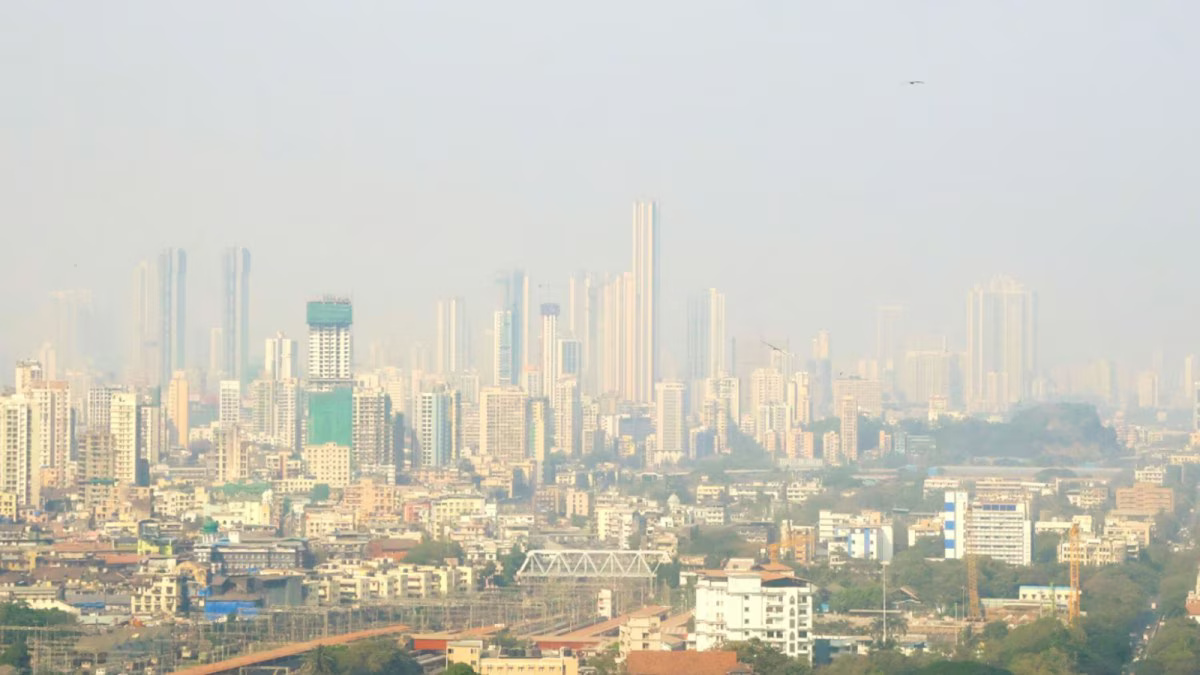
Mumbai witnessed a bright and largely cloudless winter day on Thursday, with comfortable temperatures offering relief to residents after weeks of variable conditions. However, the pleasant weather came with a caveat: air quality across several parts of the city continued to hover in an unhealthy range, underscoring the growing disconnect between visual clarity and actual environmental health in India’s financial capital.
Daytime temperatures remained well within seasonal norms, rising from the low twenties in the early morning to the upper twenties by afternoon. Moderate coastal winds and low humidity created an otherwise agreeable outdoor environment, encouraging movement across public spaces, promenades, and neighbourhood streets. For many residents, the conditions felt ideal for January, especially in a city where winter is short-lived. Yet, beneath the clear skies, pollution levels told a more troubling story. Data from monitoring stations across Mumbai indicated that particulate matter remained elevated following a “Very Poor” air quality classification earlier in the week. Urban health experts caution that such conditions can persist during winter months due to temperature inversions and limited atmospheric dispersion, even when visibility appears normal.
The concern is particularly acute for vulnerable groups, including children, older adults, and individuals with respiratory conditions. PM2.5 and PM10 particles—commonly linked to traffic emissions, construction activity, and industrial sources—remain key contributors to Mumbai air pollution. Urban planners note that ongoing infrastructure works, combined with high vehicle density, are adding pressure to an already stressed urban airshed. While sunshine and moderate winds can help dilute pollutants locally, the absence of rainfall limits the natural cleansing of the atmosphere. Environmental specialists point out that without stronger regional wind patterns or emission controls, short-term weather improvements alone are unlikely to deliver sustained air quality relief.
This pattern highlights a broader challenge for Mumbai’s urban development trajectory. As the city invests heavily in transport infrastructure, real estate expansion, and redevelopment projects, managing construction dust, traffic emissions, and last-mile mobility becomes central to climate-resilient planning. Cleaner transport options, stricter dust-control enforcement, and greener building practices are increasingly viewed as essential—not optional—interventions. For residents planning daily routines, health professionals recommend simple precautions: limiting prolonged outdoor exertion near traffic corridors, staying hydrated, and using protective masks during peak commute hours when pollution tends to concentrate. Indoor exercise and flexible work schedules are also gaining relevance as adaptive responses to recurring winter pollution.
Looking ahead, the coming week is expected to remain dry and largely sunny, with daytime temperatures gradually easing. While this may enhance thermal comfort, air quality is likely to fluctuate unless broader emission sources are addressed. The contrast between pleasant weather and compromised air serves as a reminder that sustainable urban living depends not just on favourable climate conditions, but on coordinated planning that places public health and environmental resilience at the centre of city growth.
Mumbai Sees Clear Skies Amid Lingering Pollution Risks