


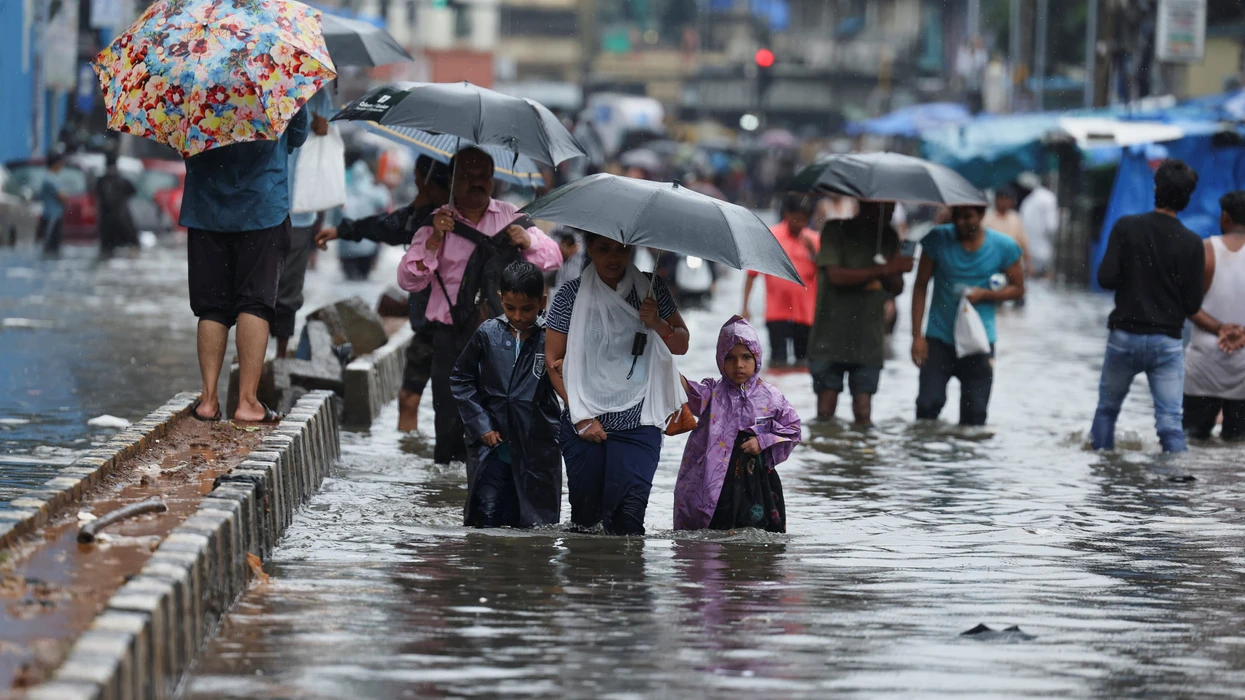
Mumbai’s recent heavy rainfall has exposed the city’s growing vulnerability to urban flooding, with 80 new waterlogging locations emerging after a severe downpour on Monday morning.
An internal analysis by the Brihanmumbai Municipal Corporation (BMC) reveals that while 120 waterlogging complaints were registered, the majority of these—particularly in the city’s southern precincts—are fresh hotspots, underscoring the mounting challenges faced by Mumbai’s drainage infrastructure amid increasingly erratic weather patterns. The BMC report highlights that the highest number of waterlogging complaints originated from A and B wards in South Mumbai, which together accounted for 45 grievances. These areas encompass commercial and heritage precincts such as Crawford Market, Churchgate station, and Ballard Estate—zones traditionally considered well-drained but now increasingly susceptible to flooding during heavy rain events.
Officials attribute the surge in new flood-prone spots primarily to the intense rainfall on Monday, with rainfall measurements between 77mm and 104mm concentrated in the critical one-hour period from 9am to 10am. The scale and intensity of the downpour overwhelmed the existing stormwater drainage network, despite the drains reportedly being fully operational. Significant new waterlogging locations have been identified at key arterial and commercial hubs including the road outside Metro Cinema, Metro Junction, Crawford Market, and Ballard Estate Road. Residential and institutional areas such as Dr Babasaheb Ambedkar Nagar near the Ford showroom, Ghol Masjid, and SGS Road at Chowpatty also faced substantial water accumulation. Other critical flood spots include stretches from Azad Maidan to Metro, Cuffe Parade Police Colony, Navy Nagar BEST Depot, Ganesh Murti Nagar Gully No. 9, Churchgate station vicinity, Mantralaya premises, and the subway near St Xavier’s College.
Further waterlogging was reported along Dr D N Road opposite Siddharth College, 4th Pasta Lane, Mantralaya Junction, and the corridor extending from Cumballa Hill Junction to Pedder Road, particularly near the flyover adjacent to Jaslok Hospital and the area surrounding Harkisandas Hospital. BMC internal communications reveal that the city’s high tide, peaking around 10:30am on Monday, critically hampered the drainage outflow, causing backflow in low-lying locations such as Churchgate, St Xavier’s subway, and Ballard Estate. This tidal obstruction, combined with intense precipitation, resulted in ineffective discharge of stormwater into the sea, accentuating flood severity.
During a midweek review meeting, the BMC’s municipal commissioner expressed disappointment over the apparent lack of preparedness in managing drainage during the downpour, especially in South Mumbai. The commissioner mandated a comprehensive assessment of the city’s dewatering systems and called for the deployment of additional pumping capacity at newly identified flood-prone sites. Such measures are aimed at improving the city’s resilience ahead of the peak monsoon period. In a related development, the district’s guardian minister and a delegation of former municipal representatives urged the BMC to publish a detailed white paper outlining expenditure exceeding Rs 1 lakh crore on urban drainage, flood mitigation, and related infrastructure over the past two decades. This move seeks greater transparency and accountability regarding Mumbai’s flood management strategies, particularly under the ambit of the BRIMSTOWAD (Brihanmumbai Storm Water Drainage) project.
The Indian Meteorological Department (IMD) had issued a yellow alert ahead of Monday’s rainfall, forecasting moderate to heavy precipitation. This alert was maintained through to Thursday morning as per the IMD’s five-day forecast, signalling the persistence of unsettled weather conditions in the Mumbai region. Mumbai’s persistent flood challenges are symptomatic of broader urban sustainability and climate adaptation issues. Experts emphasise that the intensification of rainfall events, linked to climate change, necessitates urgent modernisation of urban drainage infrastructure. Such upgrades must prioritise green and eco-friendly interventions, including increased permeable surfaces, rainwater harvesting, and decentralised stormwater management systems to reduce surface runoff and enhance groundwater recharge.
City planners advocate for an integrated flood resilience framework that aligns with Mumbai’s goals of sustainable and equitable urban growth. This framework would leverage real-time monitoring technologies, data-driven decision-making, and community participation to mitigate flood risk without compromising the city’s ecological balance. The recent flooding incidents underscore the critical need for Mumbai’s municipal authorities to expedite infrastructure enhancements and improve operational readiness. With climate projections indicating more frequent extreme weather events, Mumbai’s ability to protect its citizens and economic activities depends heavily on sustainable flood management practices that combine engineering solutions with nature-based approaches.
While the BMC continues to address immediate concerns, the long-term challenge lies in transforming Mumbai’s urban landscape into a climate-resilient metropolis that safeguards lives and livelihoods, promotes equitable infrastructure access, and supports the city’s zero net carbon aspirations.
Also Read : Mumbai Metro Line 14 to Connect Badlapur and Kanjurmarg
