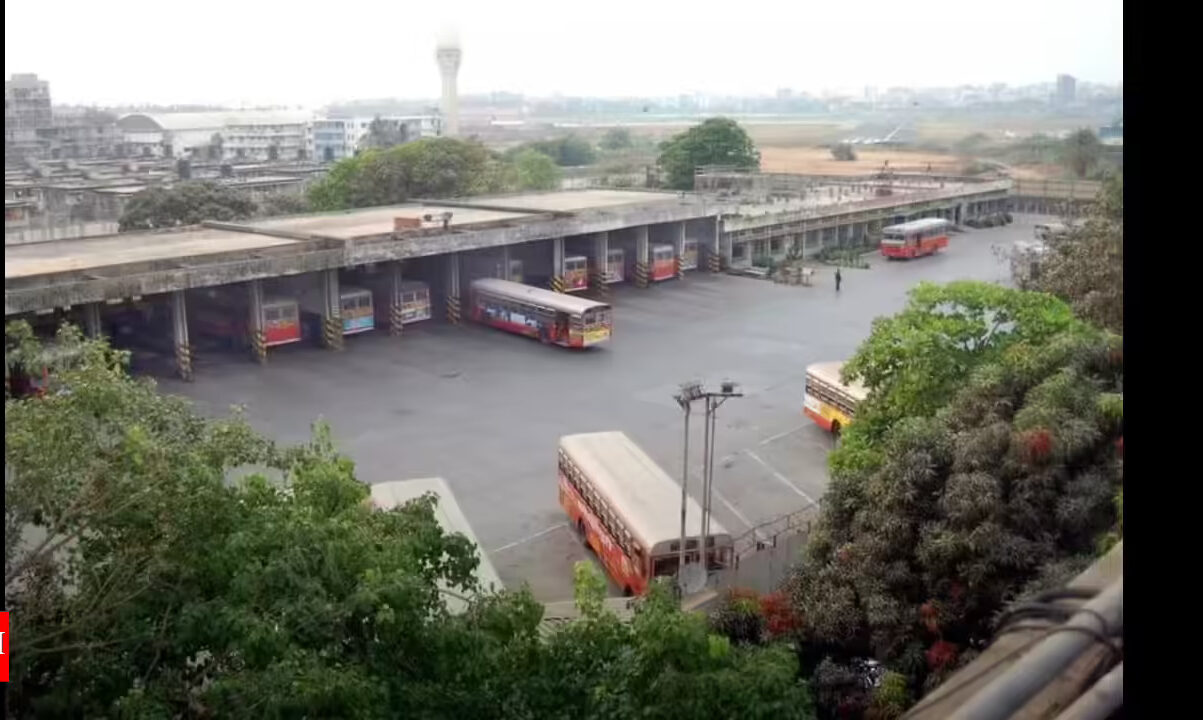
Mumbai’s public transport undertaking, BEST, has moved a step closer to redeveloping its Santacruz bus depot and staff quarters, initiating the process to obtain mandatory clearance from the Airports Authority of India (AAI). The redevelopment proposal, which aims to optimise the over 13,000-square-metre site, has drawn both optimism for modernisation and criticism from citizen groups wary of losing public assets to commercial redevelopment.
According to officials, the Santacruz depot lies within the designated ‘funnel zone’ of the Juhu airport—an area where strict height restrictions apply to ensure aircraft safety during take-offs and landings. To proceed, BEST has invited applications to appoint a consultant who will conduct a detailed topographical survey and secure a height clearance certificate from AAI. The consultant will be responsible for mapping permissible height limits across five sections of the site and preparing the necessary documentation for submission within four months. Officials from BEST confirmed that the process is part of due diligence before finalising the redevelopment blueprint. “The Santacruz facility’s location near the Juhu air funnel requires compliance with AAI’s airspace safety parameters. Obtaining this NOC is a procedural necessity before design and construction planning can begin,” an official explained.
However, the move has stirred unease among civic activists and transport experts, who fear that the initiative may lead to the commercial monetisation of public transport land. They argue that the trend of redeveloping bus depots—similar to projects undertaken earlier in Mahim and Kurla—risks shrinking the city’s already limited bus parking space. As BEST plans to expand its fleet to 8,000 buses by 2026–27, activists believe that preserving depot land is crucial for supporting sustainable urban mobility. Members of citizens’ collectives have voiced concerns that such redevelopments could prioritise real estate interests over essential commuter infrastructure. A senior member of a city-based transport advocacy group stated that municipal and transport agencies should “focus on increasing depot capacity rather than leasing land for private development,” stressing that public land should remain dedicated to public use.
Urban policy experts, meanwhile, see the project as an opportunity to modernise outdated transport infrastructure if implemented responsibly. “If redevelopment incorporates sustainable design principles—such as energy-efficient bus terminals, green roofs, and improved staff facilities—it can serve as a model for carbon-neutral urban infrastructure,” said a mobility expert. The integration of renewable energy, rainwater harvesting, and smart parking systems could transform ageing depots into eco-friendly transit hubs aligned with Mumbai’s climate goals. As the AAI clearance process unfolds, the Santacruz depot redevelopment continues to highlight a recurring urban dilemma—balancing modernisation with preservation of public assets. The final plan’s direction will likely determine whether the project enhances sustainable mobility or contributes to further land commercialisation in one of Mumbai’s most congested zones.
Mumbai Seeks AAI Clearance As BEST Plans Major Revamp Of Santacruz Depot