


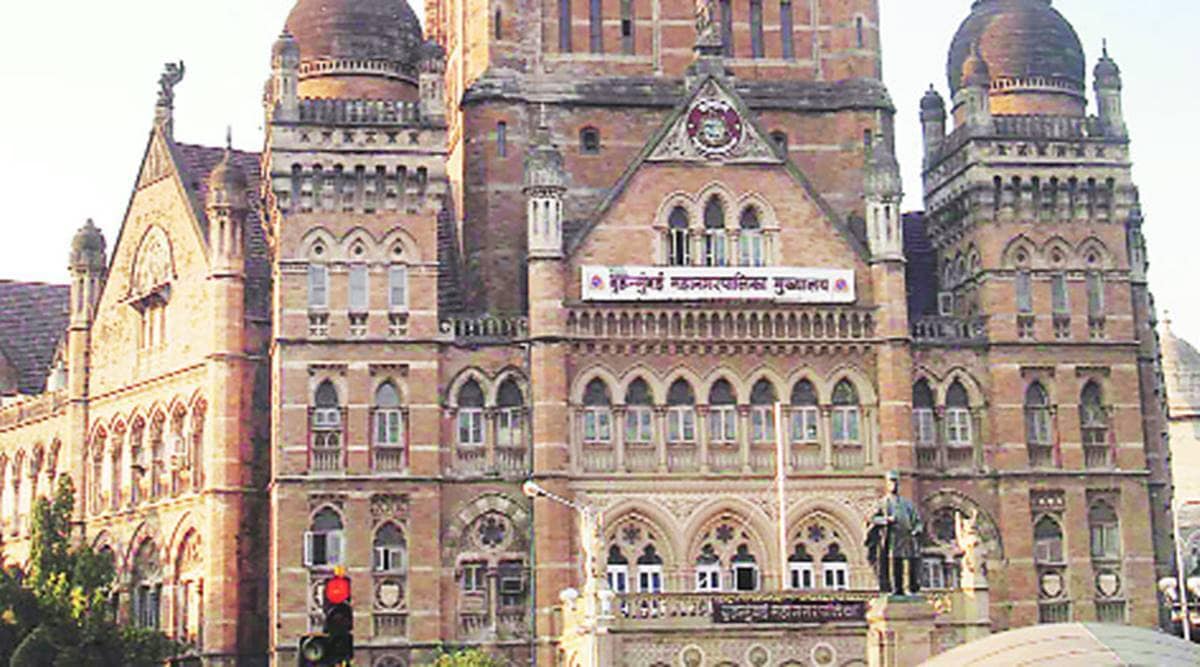
A civic-run school in Colaba has triggered outrage after shifting over 1,300 English-medium students to online classes following a municipal safety directive that deemed the school building unsafe. While students from Marathi, Urdu and Kannada mediums were relocated to nearby classrooms, authorities have not secured any physical space for English-medium sections, leaving them dependent on virtual learning.
Parents and students staged demonstrations this week, accusing the administration of jeopardising academic continuity and ignoring the emotional and developmental impact of prolonged online learning. Community leaders warned that if a suitable alternative facility is not provided within days, a protest march to the municipal headquarters will be organised. The school infrastructure cell’s assessment, which prompted the closure, has been met with scepticism from some community representatives, who argue that the building was repaired two years ago and may require only minor works. They have criticised the civic body for taking abrupt action mid-academic year instead of planning a phased transition, especially after more than a month of classes had already commenced.
Municipal officials stated they are exploring options to accommodate the displaced students in a nearby civic school close to the MTNL office in Colaba. Discussions are also underway with private institutions to use their vacant classrooms temporarily. Education experts, however, emphasise that arrangements must prioritise accessibility, equitable infrastructure, and minimal disruption to students’ learning patterns. Members of the state teachers’ council have pointed out that such late interventions can harm academic performance and widen learning gaps, particularly for students from underprivileged backgrounds who may not have consistent access to digital devices or stable internet connections. They stressed that civic education policy must integrate disaster preparedness and facility audits without compromising on timely communication with stakeholders.
This episode has renewed calls for a more sustainable and equitable urban education framework—one that includes safe, zero-carbon school buildings, community-based learning spaces, and robust contingency planning. As Mumbai grows, ensuring that all children, regardless of language medium, have access to secure, well-maintained, and inclusive learning environments will be vital to both social equity and the city’s long-term resilience.
Also Read : IMD Forecasts Yellow Alert For Mumbai With Rain And Wind Expected
