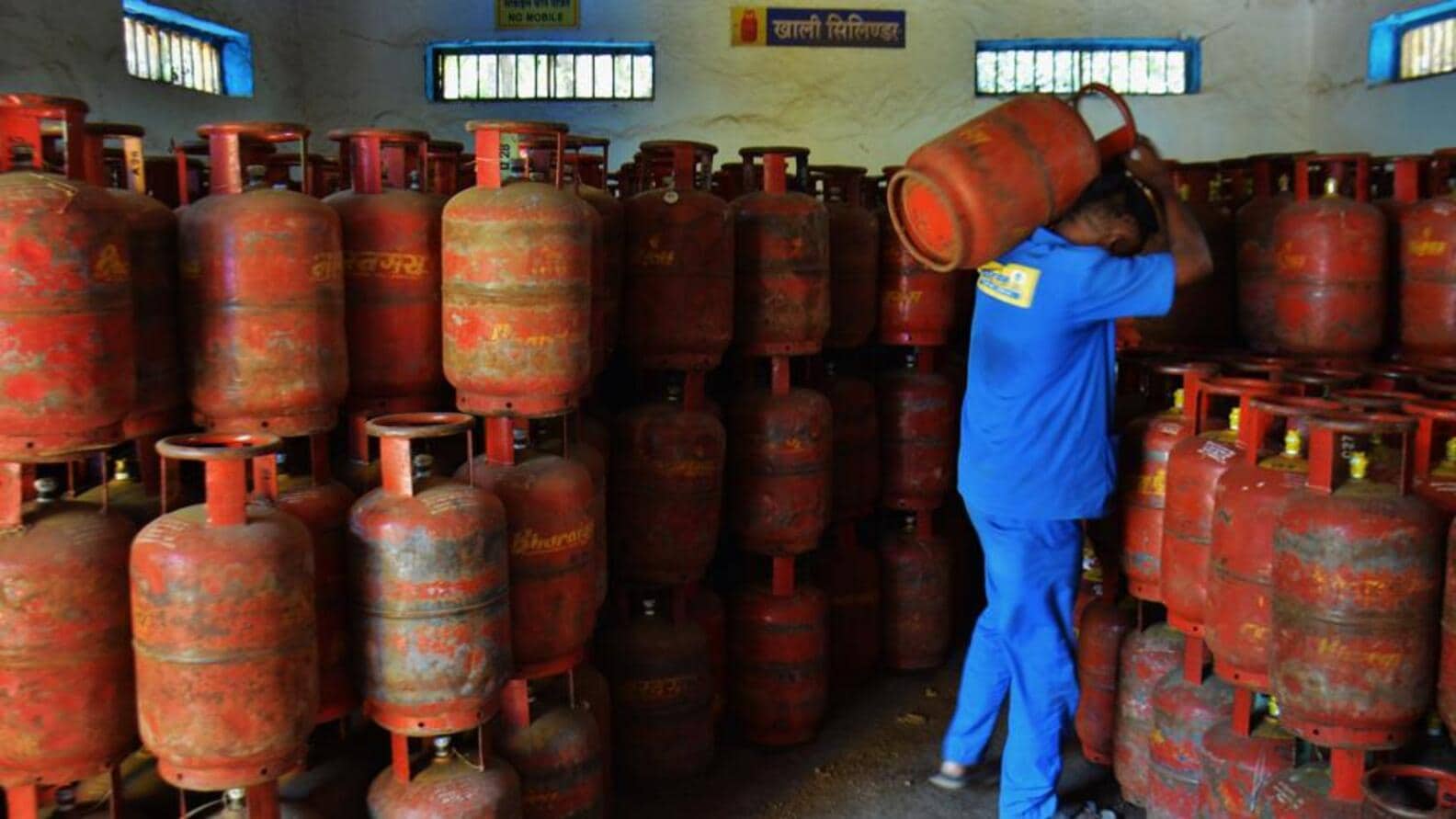
Mumbai’s municipal school nutrition programme could face operational strain if the current supply disruption of cooking gas continues, raising concerns about the daily meals served to more than half a million students across the city. Civic authorities have alerted the state education administration that limited access to cooking fuel may affect the ability of centralised kitchens to prepare food under the government-backed school meal scheme.
Officials overseeing the initiative indicated that nearly 540,000 students studying in municipal, aided and partially aided schools in Mumbai rely on cooked meals provided through the programme every school day. The system operates through centralised kitchens managed by women-led community organisations that prepare and distribute meals to schools across the city. The emerging concern centres on the Mumbai mid day meal programme, which depends heavily on liquefied petroleum gas for large-scale cooking operations. Several kitchen operators have reported difficulty in procuring cylinders following recent restrictions affecting supply chains linked to geopolitical tensions in West Asia.
Education department officials say cooking gas is essential for maintaining the daily output required by the programme. Kitchens that prepare meals for between 2,000 and 4,000 students typically consume at least one cylinder per day, while larger facilities serving more than 7,000 students often require double that quantity. The Mumbai mid day meal programme forms part of a national school nutrition initiative designed to improve dietary intake among students and encourage school attendance. Under the system, the government supplies staple grains, while community groups procure other ingredients such as pulses, vegetables, cooking oil and spices. These groups also manage fuel procurement, kitchen operations and food distribution logistics.
Municipal officials say rising fuel costs are already placing financial pressure on these organisations. A large commercial LPG cylinder currently costs close to ₹1,900, significantly affecting operating expenses for kitchens that cook thousands of meals daily. Subsidies provided under the scheme cover part of the meal preparation cost but do not fully offset fuel price volatility. Urban policy experts note that food security programmes in large cities depend on stable energy supply chains. When fuel availability becomes uncertain, critical public welfare systems—from school meals to hospital kitchens—can experience operational stress.
Authorities have requested state officials to engage with oil distribution agencies to ensure uninterrupted fuel supply for the kitchens supporting the school meal scheme. Education administrators have indicated that the issue is being monitored and that efforts are underway to prevent disruptions in cities where large student populations rely on centralised cooking systems. Beyond the immediate supply issue, urban sustainability specialists say the situation highlights the need to diversify energy sources used in institutional kitchens. Greater use of electric or induction-based cooking systems powered by cleaner energy grids could help improve long-term resilience while also supporting climate goals for public infrastructure.
For now, the immediate priority remains ensuring that the Mumbai mid day meal programme continues uninterrupted. Any disruption could affect nutrition access for hundreds of thousands of schoolchildren who depend on these meals as a regular part of their daily diet.
Mumbai School Meals Face LPG Shortage Pressure