


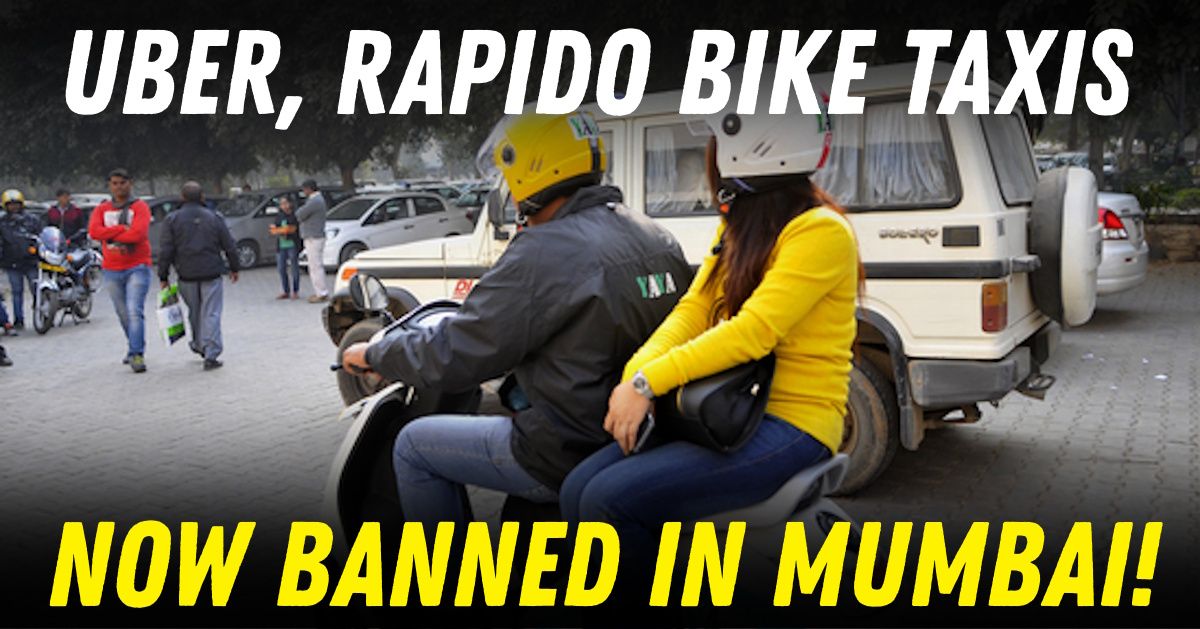
Mumbai Regional Transport Offices (RTOs) have initiated an enforcement drive against app-based bike taxis that are operating without valid permits across the Mumbai Metropolitan Region (MMR). The move, directed by the state transport authority, aims to halt unauthorised operations amid mounting concerns over passenger safety, regulatory non-compliance, and the need for standardised urban mobility governance.
The clampdown follows an internal directive issued by the state transport commissioner’s office instructing RTO units to act against operators such as Rapido, Uber, and Ola, which continue to offer two-wheeler taxi services despite the absence of a formal policy framework in Maharashtra. Officials confirmed that enforcement teams will begin impounding such vehicles and initiate legal proceedings under the Motor Vehicles Act, which explicitly prohibits private vehicles from being used for commercial passenger transport without due authorisation. As bike taxis have grown into a popular last-mile transport option for daily commuters, especially in congested urban pockets, the enforcement drive is expected to significantly impact both riders and app-based aggregators. However, state officials stressed that the decision stems from a lack of legal clarity and concerns over public safety, rather than a blanket opposition to the service model.
According to senior officials in the transport department, many aggregators are operating without securing the required aggregator licence under Section 93 of the Motor Vehicles Act. Additionally, Section 66 of the same Act forbids private two-wheelers from ferrying passengers for hire, a provision that has been routinely violated by the growing number of bike taxis plying Mumbai’s roads. Transport officials revealed that the issue reached a tipping point following a fact-finding operation carried out earlier this week by senior government representatives. In a symbolic move intended to test the system, a ride was booked via one of the popular bike taxi apps from the Mantralaya to a central Mumbai locality. The subsequent findings confirmed the ongoing unauthorised operation, prompting immediate instructions for enforcement.
Last month, formal police complaints were also filed against aggregators like Rapido and Uber for allegedly violating commercial transport laws. The action was part of a broader inquiry into the absence of operational permits and the misuse of personal vehicle registrations for public ridesharing. With this development, the spotlight now shifts to the evolving regulatory framework. Officials disclosed that the state government is in the advanced stages of drafting a comprehensive set of rules for two-wheeler taxi operations. The policy aims to ensure operational safety, data transparency, fair pricing, and emission compliance, while opening the floor for public feedback before its implementation.
Urban mobility experts say the situation reflects a broader tension between innovation in shared mobility and India’s legacy transport regulations. Bike taxis offer affordable, agile, and emission-light travel options that fill critical last-mile connectivity gaps in crowded metropolises like Mumbai. However, in the absence of a legal blueprint, such services often fall into grey areas that expose passengers to legal and safety risks. The current move by the RTO, while disruptive in the short term, could pave the way for a regulated and safer environment for bike taxis, said transport policy analysts. “We are not against innovation, but it must follow the law,” an official emphasised, adding that the state’s intent is to formalise the sector rather than curtail it.
From an urban sustainability standpoint, two-wheeler taxis have the potential to be part of Mumbai’s climate-friendly transport mix if managed correctly. They use less road space, consume less fuel, and emit lower carbon compared to larger taxis and auto-rickshaws. In cities like Bengaluru and Gurugram, similar services have already been legalised with riders and operators following standardised safety protocols, insurance coverage, and licensing norms. However, critics argue that the state’s delayed policymaking has allowed a legal vacuum to persist, putting riders and drivers in precarious positions. In the absence of clear regulations, aggregators have continued to expand operations, capitalising on rising commuter demand and inadequate public transport links.
Meanwhile, passengers who regularly rely on bike taxis for their daily commute expressed mixed reactions. Some voiced support for regulation, citing safety concerns and the need for verified operators. Others worried about sudden disruptions to an affordable and efficient transport choice. “If bike taxis are illegal, why are they still showing up on the apps?” questioned a regular commuter from Andheri, pointing to the regulatory grey area that persists on digital platforms. In the coming weeks, RTO units across the city will likely intensify their checks, with impoundments, fines, and legal notices expected to rise. Officials said that riders found offering unauthorised transport services may face suspension of vehicle registration, driving licence, and possible criminal action in repeated violations.
As the regulatory process unfolds, there remains cautious optimism that Maharashtra will eventually join other Indian states in formalising the bike taxi sector through a balanced policy framework that protects both consumer rights and entrepreneurial mobility solutions. Until then, commuters have been urged not to book or use bike taxi services operating without state sanction. Officials reiterated that the state’s priority remains public safety and legal compliance, and that stakeholder inputs—including those from aggregators, riders, urban mobility experts, and civil society—will be taken into account as new rules are finalised.
Whether this crackdown signals the end of an unregulated era or the beginning of a structured, eco-conscious future for Mumbai’s last-mile transport remains to be seen. For now, both aggregators and commuters are on alert as enforcement teams hit the roads.
Also Read : Stagnant Drain Water Cripples Delhi’s Ghazipur Market, Hurts Livelihoods
