


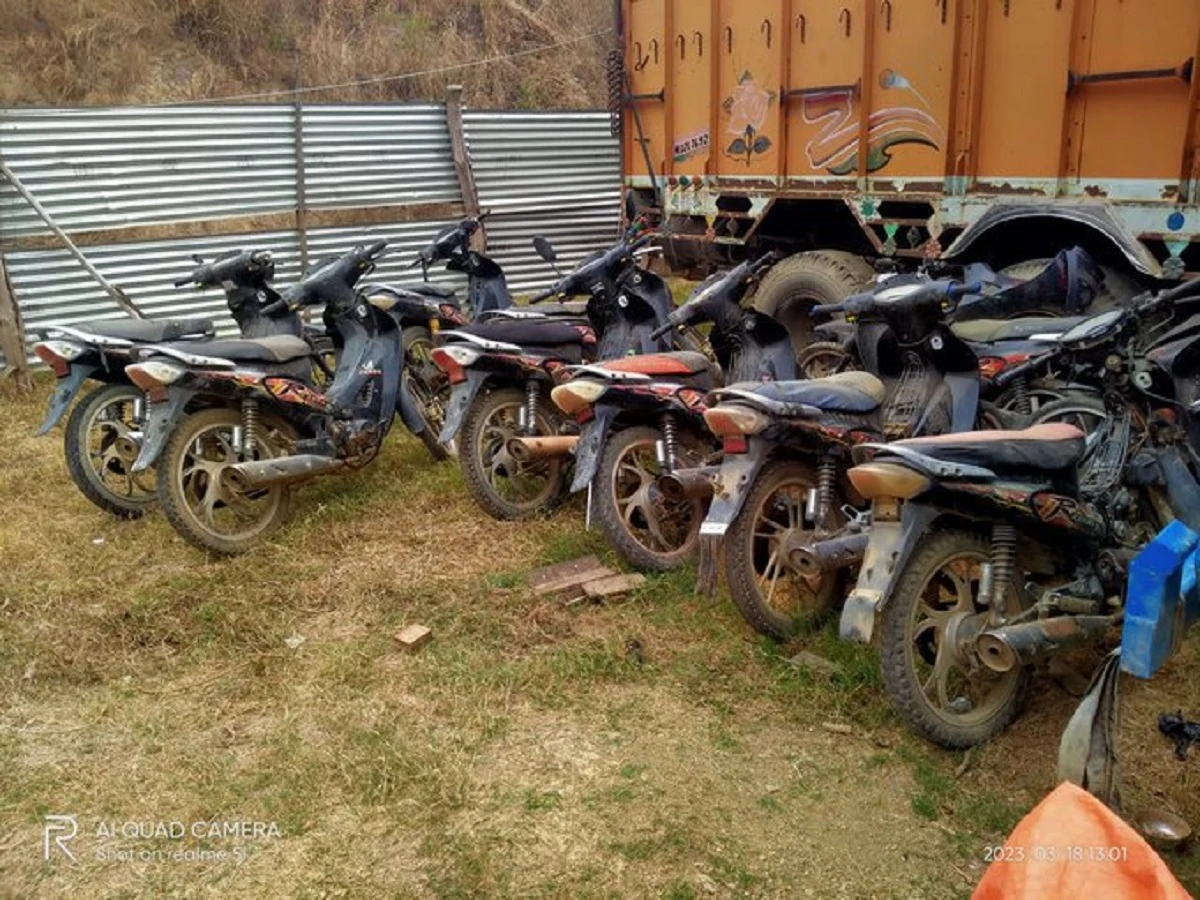
Mumbai’s Regional Transport Office (RTO) has struck a decisive blow against unauthorised two‑wheeler passenger services, seizing 78 illegal bike taxis and taking action against 123 vehicles in Mumbai, Thane, Vasai, Vashi, and Panvel. This move follows numerous passenger complaints and reflects growing concerns over unregulated mobility options compromising safety and revenue, city officials said. In a coordinated drive involving twenty RTO enforcement units, teams targeted illegal app-based bike taxi operations. The crackdowns resulted in the seizure of 78 bikes and legal notices served to the remaining 45 vehicles facilitating unauthorised transport services.
RTO officials confirmed that criminal charges have been registered under Section 93 of the Motor Vehicles Act, 1988, and that legal proceedings are being pursued not only against individual drivers but also against operators of the rogue apps. “App-based bike taxis without government permits compromise commuter safety and deprive the state of rightful revenue,” explained a senior official at the Transport Department. The official highlighted that while digital mobility is transforming urban transport, it must comply with established regulatory norms to ensure equitable and safe travel. This enforcement effort aligns with Mumbai’s broader ambition to build equitable, accessible, and environmentally conscious urban mobility. As the city promotes sustainable public transport, ensuring compliance among all transport providers—including emerging digital options—is essential to safeguard commuters and facilitate planned revenue streams.
Yet the issue extends beyond bike taxis. The city recently witnessed an indefinite strike by cab drivers working with aggregators such as Ola, Uber, and Rapido, disrupting up to 90% of app-based cab services according to union statements. Drivers cited demands for higher fares and better earnings, escalating tensions between gig workers and platform companies. This parallel unrest emphasises the fragile dynamics in Mumbai’s evolving mobility ecosystem, where the lines between innovation, regulation, worker rights, and safety often collide. Transport analysts say this dual trend—clamping down on unauthorised services while mainstream operators protest for fair compensation—underscores the urgent need for a comprehensive urban mobility policy. “The city must balance innovation with regulation, ensure gig workers earn sustainably, and protect passengers using digital transport services,” observed an independent transport consultant.
Public safety remains front and centre: the RTO warned that operators of illegal apps could face not only fines and imprisonment but also banning of the apps. These measures are designed to foster responsibility among digital mobility providers and to protect citizens riding on informal transport platforms. For passengers, the key message is clear: ensure your ride is regulated, drivers hold valid permits, and platforms are lawfully authorised. Enforcement will remain active, city officials cautioned, until the ecosystem aligns with legal standards.
As Mumbai grapples with mobility challenges—balancing sustainability, equity, employment and safety—governance efforts like the RTO crackdown and coordination with transport unions could shape the city’s travel future. The regulators’ swift response sends a strong signal: digital transformation must play by the rules if it is to serve the public good.
Also Read : Visakhapatnam Port To Undergo ₹2.76 Billion Infrastructure Upgrade For Cargo Efficiency Boost
