


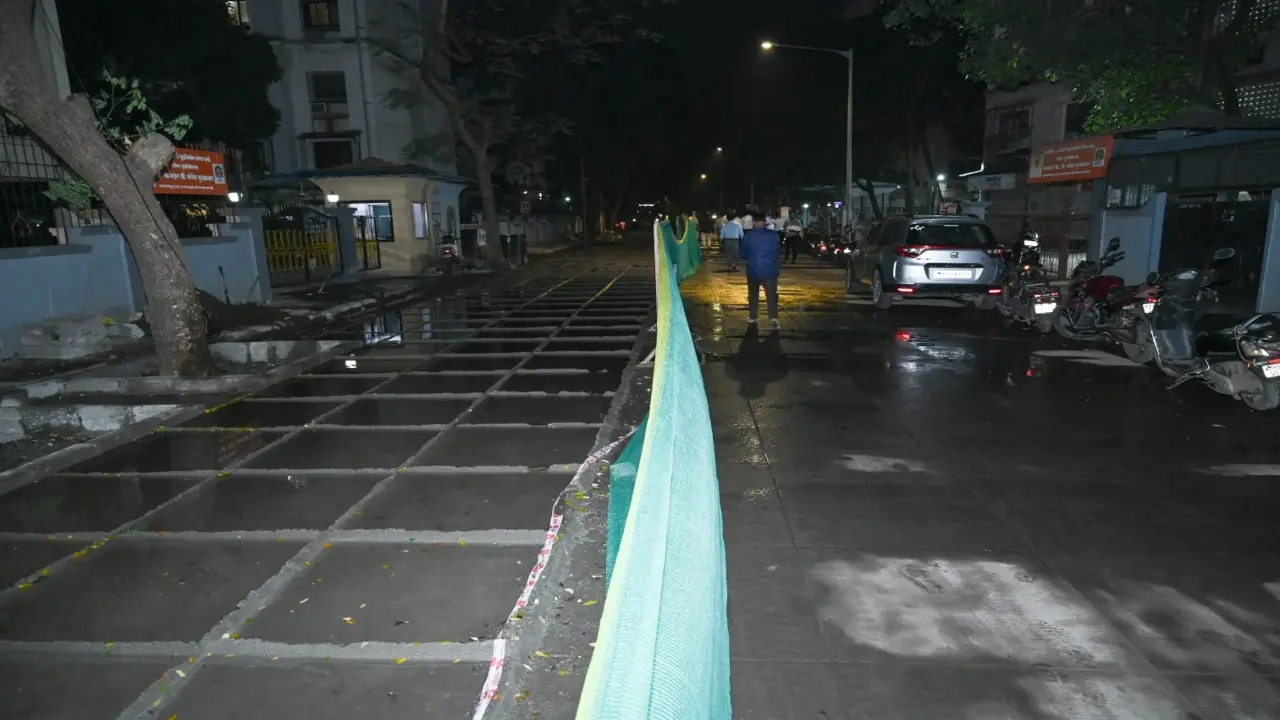
As heavy monsoon showers lashed Mumbai on May 26, marking the earliest monsoon arrival in over seven decades, residents across the city are increasingly anxious over incomplete cement concrete (CC) road projects that continue to lie unfinished—despite repeated assurances by civic authorities.
The Brihanmumbai Municipal Corporation (BMC), which had set May 31 as the final deadline to complete ongoing CC roadworks across various city wards, now faces mounting public pressure as several roads remain in limbo, posing significant safety and mobility concerns just as the peak monsoon begins. According to civic sources, the deadline to finish pouring cement on major arterial roads was originally set for May 20, well before the expected start of the rainy season. However, on-ground inspections in several localities—conducted post-rainfall—revealed a stark contrast between official timelines and the reality on the streets.
One such location, SVP Nagar in Andheri West, where work had previously stalled on Mahadeshwar Lane, finally saw progress after media exposure and citizen complaints. The roadwork was nearly complete by May 25, bringing some relief to the residents. A local hospitality operator acknowledged that complaints from guests had stopped, walkability had improved, and there had been no incidents of waterlogging since the concrete was laid. Despite this isolated progress, the broader cityscape paints a less optimistic picture. At other sites visited after the rainfall, including stretches where work began as early as February, road sections still lay dug up or partially finished. A prominent example is the crossroad in the same neighbourhood, where cement pouring had not even begun as of Monday. Civic labourers cited weather disruptions and a lack of workforce over the weekend as causes of delay, and noted that rains may push the schedule further.
The implications of these delays are not merely cosmetic. Road closures, combined with dug-up footpaths and haphazard barricading, continue to inconvenience residents, particularly the elderly, schoolchildren, and those dependent on two-wheelers. These disruptions raise broader questions about the city’s resilience planning amid changing climate patterns and urban expansion. Another problematic stretch is Road No. 5 in TPS Colony, which received a layer of asphalt instead of CC. Within weeks, cracks, potholes and uneven patches have already appeared, exacerbated by debris dumped along the edges. The gap between Chapel Road and St John Baptist Road was filled hastily with loose mud, which has now sunk due to rainfall, turning the surface dangerously steep.
Experts say the patchwork nature of the work points to a worrying lack of quality control and planning. “When roads are made in a hurry just before monsoon, without enough time for curing and settling, the result is always premature damage,” noted a civic engineer familiar with BMC’s operations. Residents have also expressed concern over the improper disposal of desilted sludge from stormwater drains, left on roadsides near ongoing construction. With the onset of rain, this sludge is now at risk of being washed back into the very drains it was removed from—undoing critical monsoon preparedness.
A senior civic official acknowledged that the sudden early arrival of the monsoon, 16 days before its historical average, had caught departments off-guard. However, critics argue that this cannot be an excuse, given that the India Meteorological Department (IMD) had issued advance warnings about the monsoon’s likely progression. s Mumbai pushes to modernise its ageing road infrastructure with CC roads for better longevity, sustainability, and reduced maintenance costs, the failure to meet timelines risks eroding public trust. For a city aspiring to transform into a zero net carbon and resilient urban model, such infrastructure lapses reflect deeper systemic issues.
Climate-resilient urban infrastructure requires not only quality material and engineering but timely execution, transparency in contracting, and community engagement. Civic authorities must also integrate weather pattern predictions into infrastructure planning, with flexible but firm contingency plans in place. For now, with less than a week to go before the May 31 deadline, it remains to be seen whether the BMC can complete the remaining work amid unfavourable weather. For lakhs of Mumbaikars, the quality of life—commuting, walking, and safety during rains—depends on whether promises made are met with tangible, timely action on the ground.
Also Read : Mumbai hit by 200 mm rain as monsoon arrives early
