


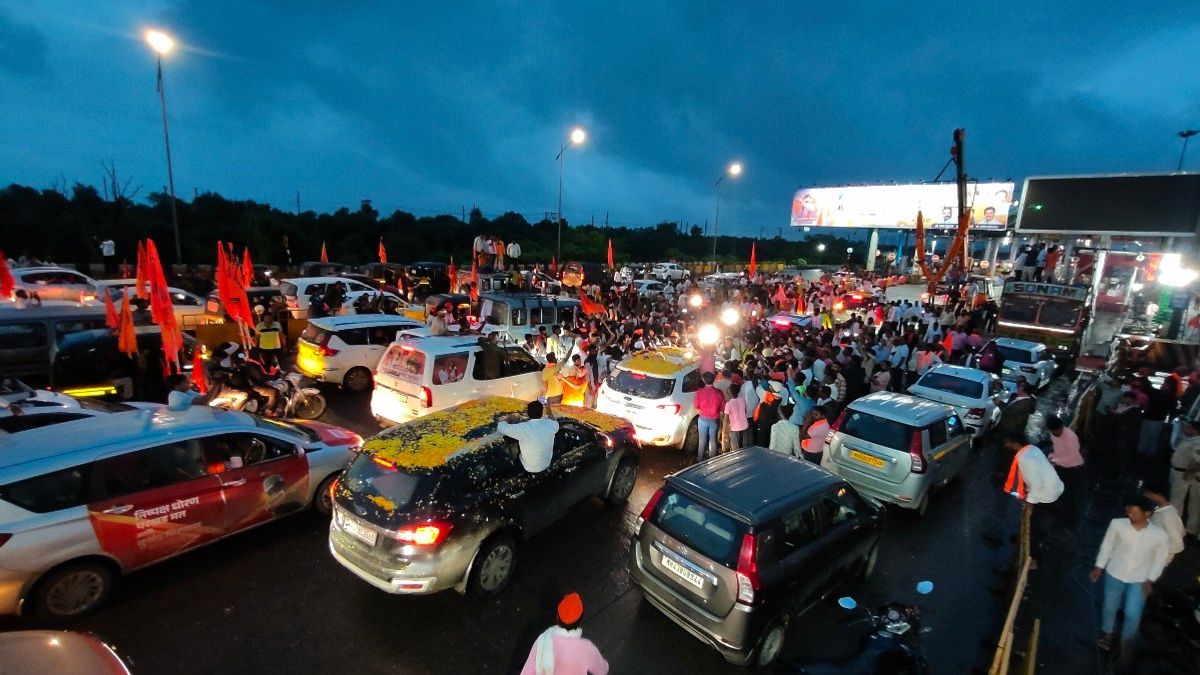
Mumbai is witnessing heightened security and unprecedented traffic restrictions as a large-scale demonstration over Maratha reservation gathers momentum during Ganesh festivities. Authorities are balancing public order, civic mobility, and festival preparedness as thousands of protestors converge at Azad Maidan, amplifying the state’s ongoing debate on social justice and equitable access.
The demonstration, popularly dubbed the Mumbai Morcha, is driven by longstanding demands for caste recognition that could reshape employment and education opportunities. While the movement reflects a grassroots push for inclusivity, it also highlights the challenge of embedding equity in policymaking without disrupting civic life and urban sustainability. Officials estimate that more than 20,000 protestors may attempt to gather at the venue, though the ground can accommodate only 5,000 at a time. Anticipating spillover effects, city police have denied permissions for other groups to stage protests nearby. A force of over 1,500 police personnel, reinforced by specialised security agencies and rapid deployment units, has been stationed across key zones to ensure calm.
Also Watch: An Exclusive Interview with Sanjeev Jaiswal (IAS), CEO MHADA
The protest’s impact is most visible on the roads. Several arterial routes, including the Eastern Freeway, Sion–Panvel Highway, and major city connectors such as Dr Babasaheb Ambedkar Road, have been either closed or heavily diverted. Commuters travelling from Navi Mumbai, Trombay, and Chembur have been advised to use alternative corridors through Chhedanagar, Mankhurd Junction, and Amar Mahal, though congestion remains a major concern. Authorities are also monitoring train stations, particularly Chhatrapati Shivaji Maharaj Terminus, where dedicated railway protection units have been deployed.
The agitation coincides with Ganeshotsav, Mumbai’s largest community celebration, raising additional civic challenges. With lakhs of citizens expected to throng pandals and arterial streets, officials are under pressure to maintain a delicate balance between protecting democratic expression and ensuring smooth festival logistics. Experts warn that unchecked disruption could undermine the city’s eco-sensitive efforts to manage festival waste, control emissions from diverted traffic, and protect pedestrian zones.
