


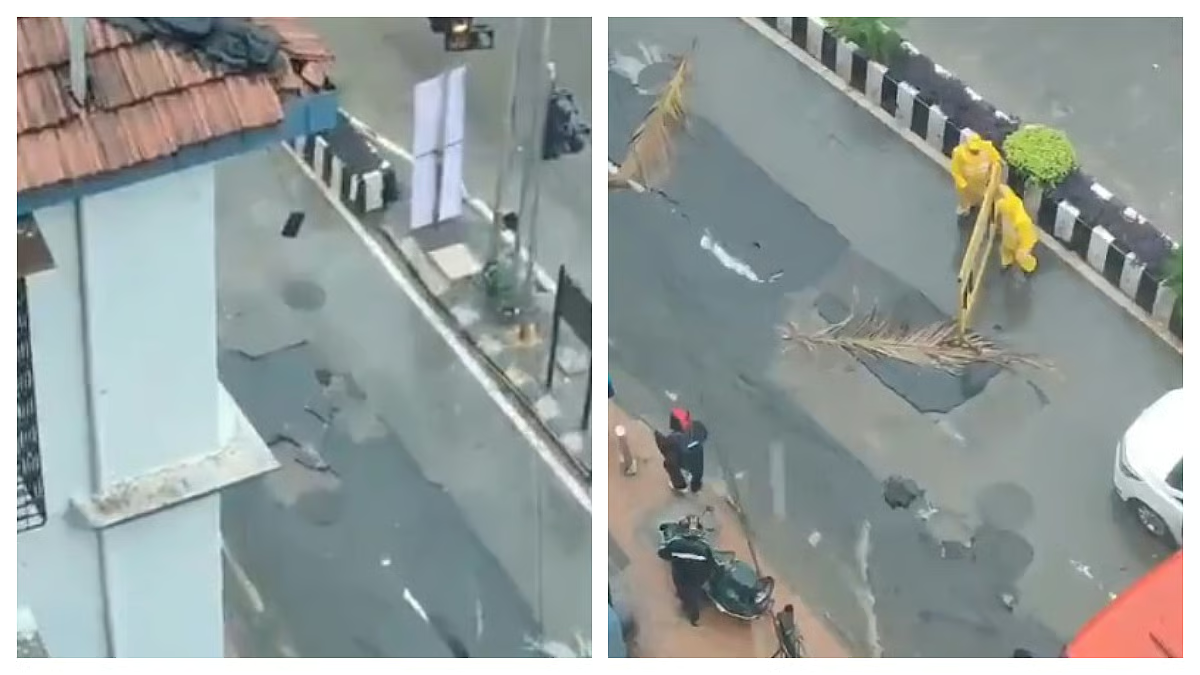
Mumbai’s upscale Kemps Corner caved in early Monday following intense rainfall, highlighting once again the fragile state of the city’s civic infrastructure. The sudden formation of a sinkhole disrupted vehicular movement and triggered public outrage over the city’s preparedness for the monsoon.
The road collapse occurred near the Warden Collection junction, a key transit point connecting South Mumbai’s residential and commercial hubs including Nepean Sea Road and Breach Candy. Civic authorities were forced to shut down vehicular access from Kemps Corner towards Mukesh Chowk as a precaution. With traffic rerouted and waterlogging reported across several neighbourhoods, the incident brought early monsoon chaos to the heart of Mumbai’s elite zones.
Videos and photographs circulating on social media platforms show a portion of the tarmac completely eroded, with water flowing into what appears to be a sinkhole several feet deep. The exposed cavity was formed just hours after the city received a few spells of moderately heavy rainfall—an early signal of how the season ahead might unfold for India’s financial capital.What has irked citizens most, however, is not just the road damage but the apparent lack of structural integrity despite repeated promises of pre-monsoon inspections and repairs. Several netizens pointed fingers at the Brihanmumbai Municipal Corporation (BMC), accusing it of poor planning and substandard work. The stretch that gave way is among the busiest in South Mumbai, frequented by private vehicles, ambulances, and public transport.
The larger issue exposed by this collapse is not isolated to a single event. It underscores a chronic urban vulnerability—decades of overdevelopment without adequate investment in underground drainage, road layering, and monitoring of soil integrity. Mumbai, a city built on reclaimed land, remains particularly susceptible to such cave-ins when rainwater overwhelms ageing or poorly maintained utilities below the surface.Moreover, the location of the collapse is symbolic of a wider concern. Kemps Corner is not an underdeveloped fringe of the city—it is one of its wealthiest quarters. If the roads in such a locality can cave in within hours of rain, it raises serious questions about the condition of infrastructure in less privileged, flood-prone areas like Dharavi, Kurla, and Chembur.
Civic engineers arrived at the site early in the day and have begun preliminary repair work. BMC officials said an investigation is underway to determine whether recent utility work or natural ground settlement contributed to the failure. However, accountability remains the public’s central demand.
The incident is a grim reminder that monsoon preparedness in megacities like Mumbai cannot be limited to pre-season statements and annual cleaning drives. As climate change intensifies rainfall variability, and as urban surfaces become more impervious, the need for resilient and sustainable infrastructure becomes urgent. Whether this incident will push authorities to rethink their approach remains to be seen—but for now, it has left a gaping void both in the road and in public trust.
Also Read : Mumbai Records Heaviest May Rainfall in Decades
