


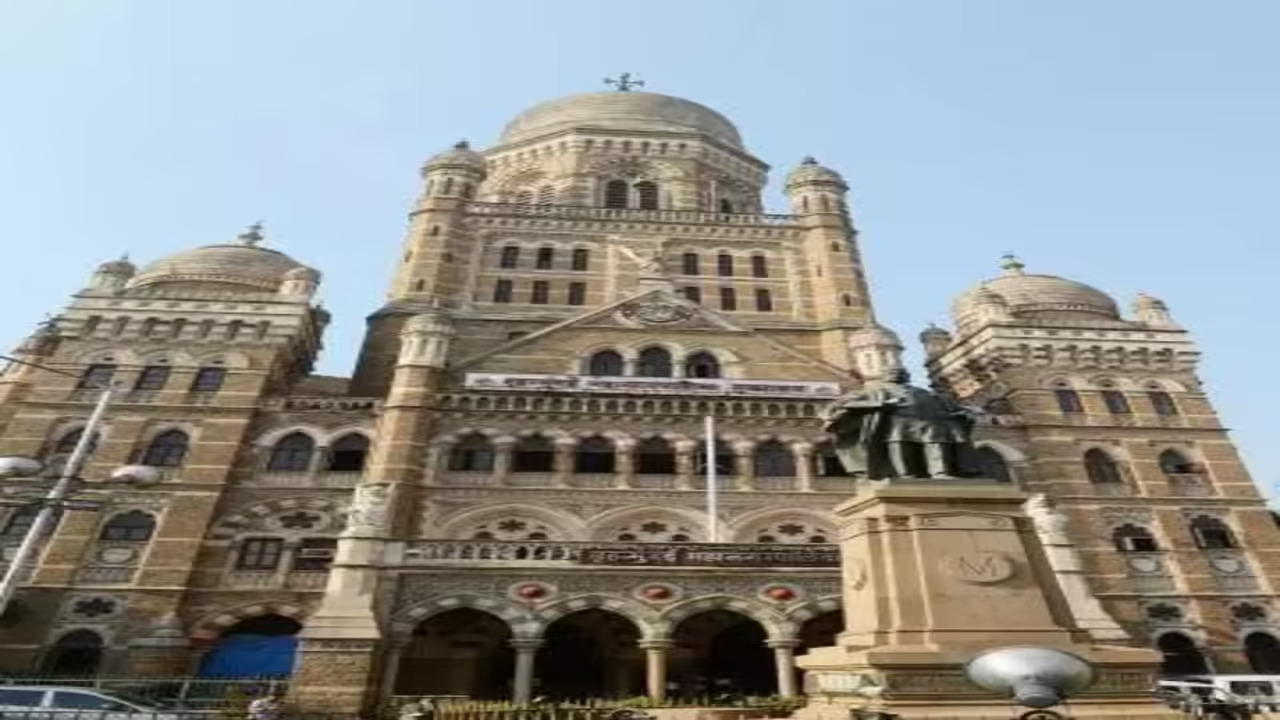
A section of the Kala Ghoda area in South Mumbai, reconstructed barely six months ago, has been closed once again for repairs, raising questions about road planning and durability in the city. The Municipal Corporation of Greater Mumbai (MCGM) confirmed that rectification work is underway to address minor dislodgements caused by heavy vehicle movement soon after the original construction.
Officials clarified that the repair constitutes a “minor rectification” and is part of Phase 1 of the Kala Ghoda beautification project. The project focuses on making key streets in the heritage precinct more pedestrian-friendly and visually cohesive, replacing asphalt lanes with cobblestones on streets including V B Gandhi Marg, Rutherfield Street, Rope Walk Lane, Saibaba Road, and B Bharucha Road. “The remaining 100-metre stretch of Sai Baba Lane and Dr V B Gandhi Marg will be excavated and finalised starting October 24, in line with Diwali safety considerations. The current rectification is being handled by skilled labourers and requires a setting period of five to six days. Barricades are in place to ensure public safety and will be removed once the surface stabilises,” said an official overseeing the project.
The temporary closure has sparked criticism from residents and commuters who highlighted the city’s recurring road repair issues. Social media posts documenting a single worker attempting to fix the cobblestones have drawn attention to concerns over efficiency and public spending, particularly given the high costs of urban infrastructure projects. The Kala Ghoda project was launched to create a pedestrian-oriented zone on weekends, enhancing the area’s cultural and commercial appeal. However, weekend closures were suspended last year when construction work on Phase 1 commenced. The municipality has since been working to integrate heritage conservation, traffic management, and green urban design in the precinct.
Urban planning experts emphasise that such rectifications, though inconvenient, are part of broader efforts to balance aesthetic, heritage, and functional considerations in congested city centres. Officials reaffirmed that the cobblestone surfaces, once set, are expected to be more durable and environmentally friendly compared with traditional asphalt, supporting stormwater absorption and reducing heat reflection. With Diwali approaching, MCGM has assured the public that work will be completed expeditiously to reopen the streets safely. The project reflects the city’s ongoing efforts to combine heritage preservation, sustainable urban design, and pedestrian-friendly infrastructure, even as Mumbai grapples with high traffic density and heavy commercial vehicle movement.
Also Read : Pune Wagholi Faces Infrastructure Collapse Amid Rapid Real Estate Expansion
