


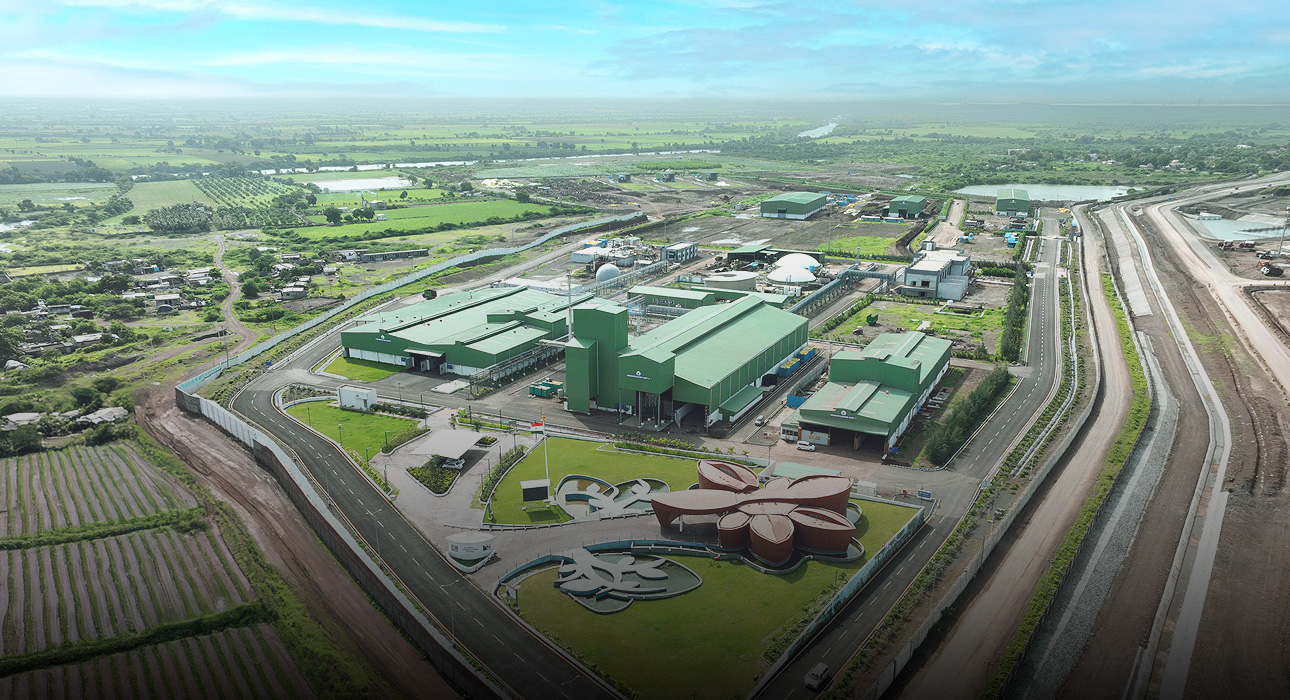
Reliance Industries Ltd (RIL), one of India’s largest conglomerates, is laying the foundation for what it calls one of the world’s largest integrated manufacturing ecosystems dedicated to green and clean energy. The initiative, led from Mumbai, marks a bold pivot by the company towards a sustainable future, underscoring its commitment to addressing the global climate emergency through innovation and scale.
The firm’s vision encompasses a vast portfolio—ranging from solar modules to battery storage systems, hydrogen fuel technologies, and bio-energy solutions. This future-facing energy infrastructure, according to senior leadership, is not just a business proposition but a planetary responsibility.“This is our contribution to saving planet Earth from the looming climate crisis,” said the RIL Chairperson during a recent conversation with a global consulting firm. The comment reflects the group’s sharpened focus on long-term, climate-aligned transformation and its readiness to act ahead of market readiness.
Over the years, Reliance has repeatedly redefined the industrial landscape in India—from its initial foray into polyester production to its ambitious rollout of nationwide 4G telecom services through Jio. But its clean energy leap may prove to be the most consequential yet, as India and the world stare down the increasingly urgent threat of climate disruption.At the core of Reliance’s strategy lies a question the company claims has guided its ventures for decades: “What is the most critical need for India’s development, and how can we fulfil it at scale?” For the next chapter of the Reliance story, that answer lies in decarbonisation and renewable innovation.
With Reliance nearing its 50th anniversary in 2027, its leadership has set its sights even further, aspiring to remain a pillar of India’s industrial and social growth for the next 100 years. “I want Reliance to continue to serve India and humanity even after completing 100 years,” the Chairman affirmed, positioning the company’s green energy transformation as a foundational legacy investment.The shift towards clean energy comes at a time when India is aggressively pursuing its net-zero commitments and looking to decouple economic growth from carbon emissions. RIL’s project aligns with national and global ambitions, offering a potential blueprint for how private sector scale and public purpose can be interwoven.
The company’s previous ventures have shown a consistent appetite for high-risk, high-reward undertakings. Its entry into the telecom space in 2016, backed by a $25 billion investment, fundamentally altered the Indian digital economy. At the time, many observers doubted the timing and feasibility of launching such an advanced digital platform. However, that risk paid off handsomely and changed the market.RIL’s pivot to green energy is similarly bold. The firm is putting substantial capital and credibility into the venture, believing that India is not just ready for, but in need of, energy independence through clean technologies. It sees not only market potential but moral imperative in doing so.
While the transition to a renewable future remains fraught with policy, infrastructure, and financial hurdles, Reliance’s leadership believes that early movers can shape the direction of global industry—and this time, with environmental stewardship at its core.The firm’s current focus is to build a scalable, fully integrated ecosystem that goes beyond modular renewables and addresses the entire clean energy value chain. The goal is not only to lead in India, but to serve as a global model for clean manufacturing.
As climate concerns dominate boardroom conversations worldwide, Reliance’s bet on a clean energy future reinforces its image as a long-term player in India’s growth story—one increasingly aligned with sustainability, resilience, and inclusive development.
Also Read : Mumbai Commuters Oppose Vikhroli Bridge Design
