


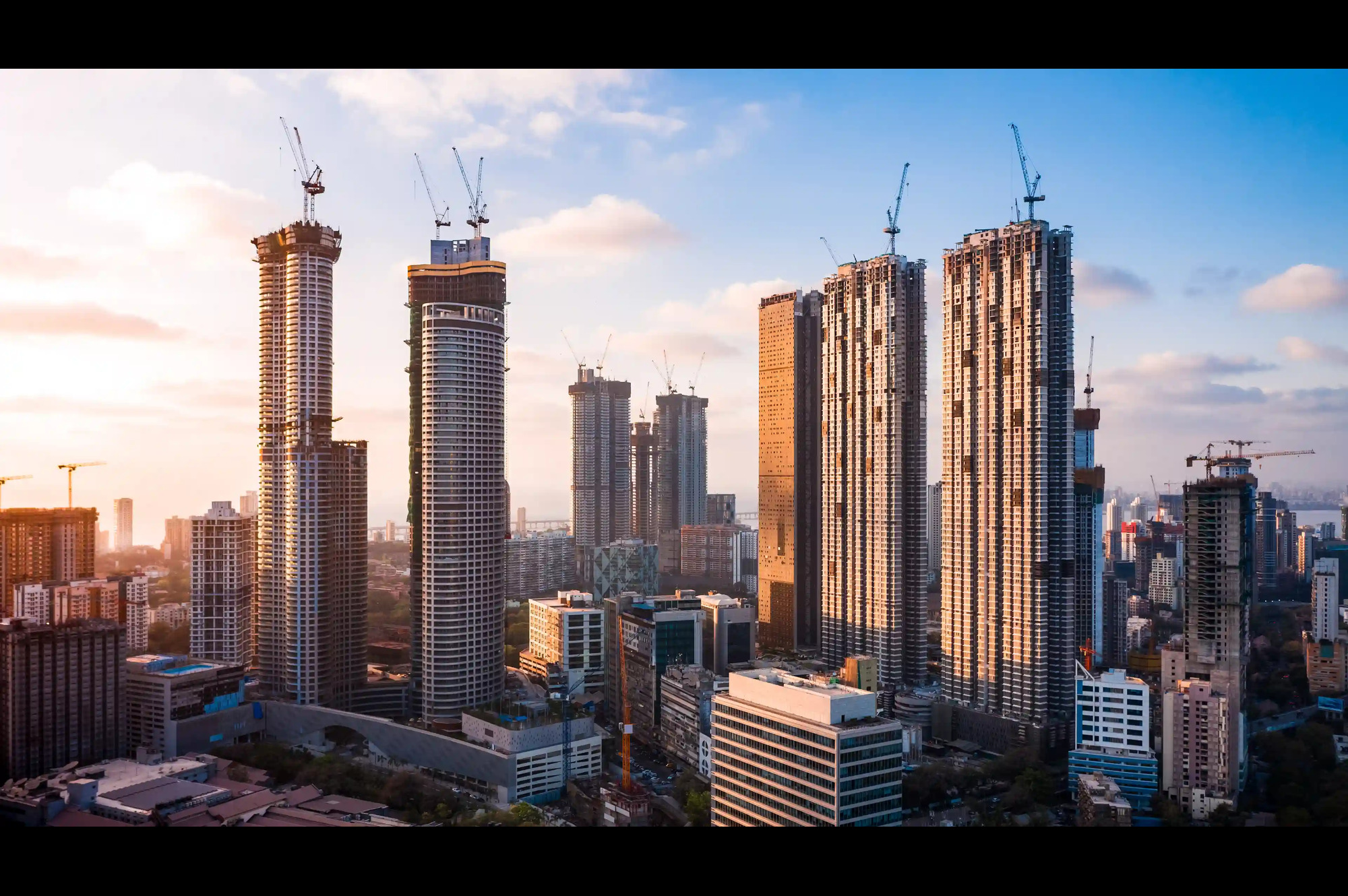
Mumbai has emerged as a central force in India’s retail property recovery, as organised retail leasing recorded its strongest annual expansion in three years during 2025. The resurgence reflects not just a rebound in consumption, but a broader recalibration of how Indian cities are designing commercial spaces amid changing consumer behaviour, urban density pressures, and the shift toward experience-led destinations.
Industry data indicates that retail space absorption rose sharply across major metropolitan regions, with Mumbai accounting for a significant share of total leasing among the country’s largest cities. The momentum follows a subdued phase in 2024, when retailers paused expansion amid inflationary pressures and global uncertainty. The renewed pace in 2025 suggests growing confidence in offline formats, particularly in dense, high-income urban markets. A key driver has been the addition of new, institutionally managed shopping centres and mixed-use developments. Mumbai benefited from fresh mall supply alongside redevelopment-led retail formats embedded within transit-oriented and mixed-use precincts. Urban planners note that newer retail assets are increasingly aligned with walkability, public transport access, and energy-efficient design marking a shift from isolated shopping complexes to integrated urban destinations. High streets and malls together accounted for the overwhelming majority of leasing activity, underscoring the continued relevance of physical retail corridors even as e-commerce penetration deepens. In Mumbai, established commercial streets and redeveloped industrial precincts have seen renewed retailer interest, particularly where zoning flexibility allows food, leisure, and community-oriented uses to coexist.
Sectorally, apparel remained a major space consumer, but its dominance softened as food and beverage formats expanded rapidly. This transition is reshaping floor plate design, ventilation requirements, and energy loads within retail buildings. Urban sustainability experts highlight that F&B-led leasing places greater emphasis on waste management, water efficiency, and heat mitigation forcing developers to rethink long-term operational resilience. Another notable trend has been the acceleration of digitally native brands into physical retail. These businesses are using brick-and-mortar outlets as experience and fulfilment hubs rather than purely transactional spaces. In Mumbai, this has translated into demand for smaller but strategically located stores within high-footfall urban clusters. Domestic retailers continued to anchor most of the leasing activity, reflecting the strength of local consumption and homegrown brands. However, international retailers also expanded their presence, drawn by Mumbai’s scale, spending power, and improving quality of retail infrastructure. Looking ahead, nearly half a billion square feet of organised retail space is under various stages of planning or construction across India’s top cities by the end of the decade. For Mumbai, the challenge will be ensuring that this growth aligns with climate resilience, inclusive access, and infrastructure capacity.
As retail assets increasingly double up as social and civic spaces, the city’s leasing rebound signals more than commercial recovery it highlights how Mumbai’s urban economy is adapting to new patterns of work, leisure, and consumption in a resource-constrained metropolis.
Also Read: Mumbai Housing Society Turns Maintenance Model Upside
Mumbai Retail Leasing Reshapes Urban High Streets
