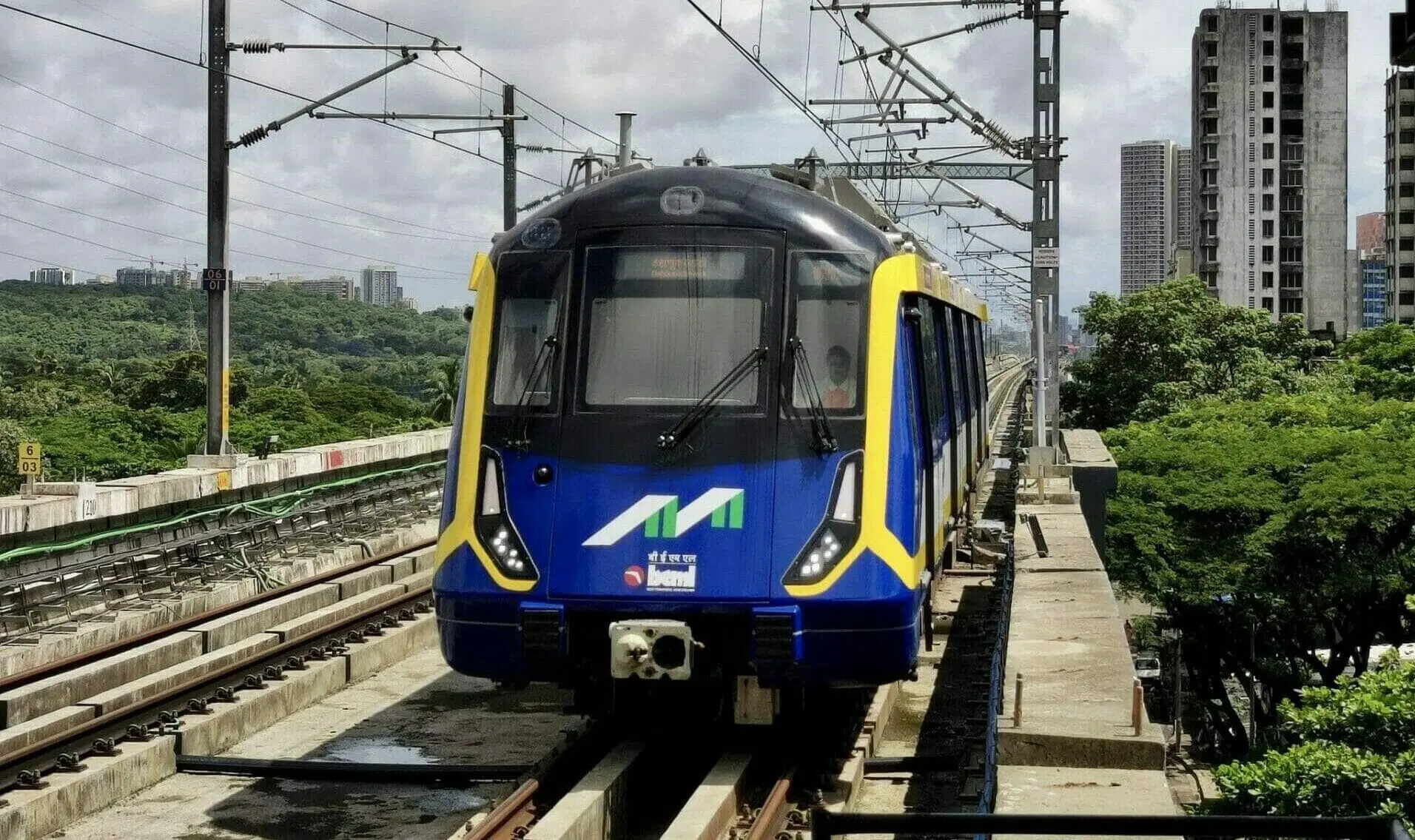
Residents in Mulund have raised concerns over worsening air quality and unsafe conditions along the Metro Line 4 construction corridor, after heaps of debris and construction waste were reportedly left unattended for months. The corridor, which forms a key mobility link between Wadala and Thane, has become a flashpoint for discussions on construction discipline, environmental responsibility, and the need for citizen-centric infrastructure delivery in Mumbai’s fast-growing suburbs.
During a recent inspection of the Lal Bahadur Shastri Road stretch, a local legislator, accompanied by officials from the city’s development authority and municipal ward office, identified several locations where construction materials, damaged footpaths, and unbarricaded pits were left exposed. According to the inspection team, these lapses have contributed to an Air Quality Index reading close to 300 in parts of Mulund, a level classified as ‘poor’ and especially concerning in a dense residential belt. Officials familiar with the matter said the contractor is responsible for housekeeping, debris removal, and reinstating footpaths along the alignment—tasks that appear to have fallen behind schedule. More than half of the reviewed spots reportedly lacked adequate barricading, a basic requirement that prevents dust dispersal and ensures pedestrian safety. “Unmanaged construction footprints have a direct effect on both public health and the environment,” said an urban air-quality specialist, noting that dust emissions from infrastructure sites remain a major contributor to neighbourhood-level pollution peaks.
Residents also reported that roadside plantations have started showing signs of stress due to cement dust settling over long periods. Urban planners say such impacts underline the broader need for integrating environmental safeguards into large transport projects, especially those routed through mixed-use and high-density zones. Cleaner construction practices, continuous monitoring, and quick reinstatement of public spaces, they argue, are essential for cities aiming for more sustainable and inclusive growth. While nearly ₹500 crore has reportedly been allocated for sections of the work, officials said visible spending on debris clearing and surface restoration appears inadequate. A senior transport department source said the development agency has taken note of the findings and may issue directives to the contractor to speed up compliance within a fixed timeline.
Metro Line 4 is expected to play a significant role in enhancing east-west connectivity and reducing road congestion across central Mumbai and Thane. Stretching 32 km across 32 stations, the corridor is intended to support cleaner mobility and ease pressure on parallel suburban rail routes. However, planners emphasise that the environmental benefits of mass transit can only be fully realised when construction itself adheres to responsible standards that protect communities during the build phase. As the city pursues its broader goals of climate-resilient and citizen-friendly mobility networks, experts say the episode serves as a reminder of why construction oversight, transparent contractor accountability, and neighbourhood-level environmental safeguards are essential to creating healthier, equitable urban spaces.
Mumbai Residents Suffer As Unattended Metro 4 Waste Fuels Rising Pollution Levels