


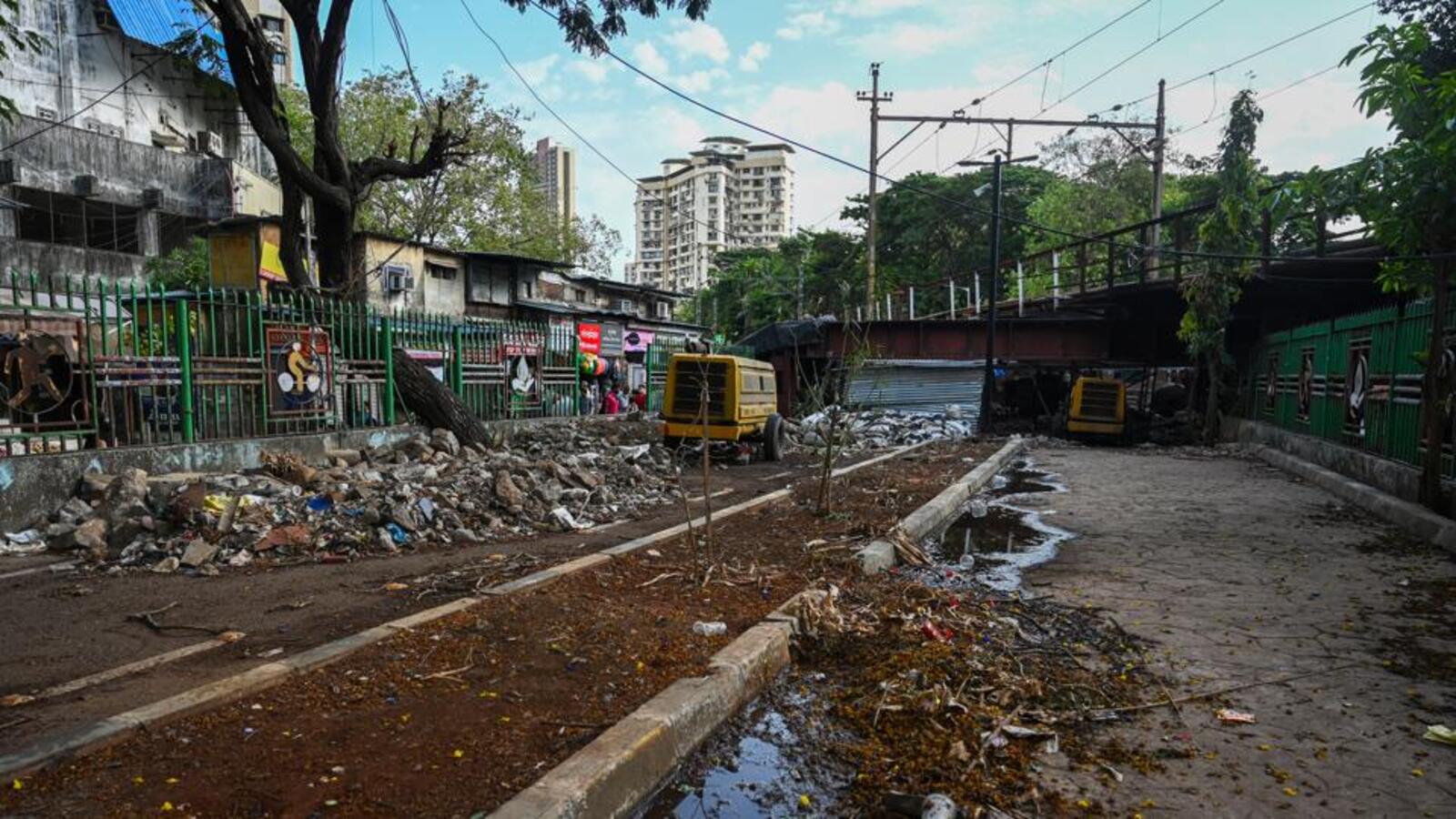
Residents of Sion have issued a legal notice to the Brihanmumbai Municipal Corporation (BMC), alleging non-compliance with a recent Bombay High Court directive concerning a neglected cycling track along Flank Road. The notice warns of contempt proceedings if the civic body fails to act, marking a growing trend of citizens pursuing legal routes to enforce accountability on urban management issues.
The dispute stems from a cycling track developed in 2020 along the Tansa pipeline corridor — a stretch meant to improve neighbourhood mobility and shared public access. Instead, it has become an unmaintained strip lined with debris, stalled construction material and unauthorised dumping. According to residents, the site now attracts encroachments and blocks emergency access routes, causing avoidable congestion at peak hours. The legal notice was filed by a member of the United Societies of Sion, a citizen-led collective advocating for infrastructure maintenance and cleaner neighbourhoods. The petitioner previously approached the High Court through a public interest litigation earlier this year seeking waste removal, regulated maintenance and a review of the defunct project.
City officials had earlier considered converting part of the track into a formal pay-and-park space to address traffic pressure in the area. However, the proposal was dropped following legal advisories referencing a 2006 High Court order mandating a 10-metre no-construction buffer zone along the Tansa pipeline. With no revised plan announced and no maintenance contract in force since late 2024, residents say the corridor has deteriorated rapidly. A civic official familiar with the matter said the corporation intends to comply but needs additional coordination with other agencies. “There are overlapping land-use restrictions and enforcement protocols involved. The matter is under review,” the official noted.
Urban planners argue that such disputes reflect a systemic challenge in Indian cities — infrastructure created without grounded operational planning can quickly become underutilised, contested or abandoned. They warn that poorly maintained public spaces undermine mobility equity and reduce confidence in civic delivery. Residents insist the issue is not merely aesthetic but public health and governance. Their notice claims the civic body has “knowingly delayed” compliance despite reminders and outreach, compromising the right to a safe and accessible environment. If the BMC fails to act within seven days of receipt, contempt proceedings are expected to follow.
As Mumbai continues to expand its public realm — from cycling corridors to green mobility pilots — experts say the success of such projects will depend not only on construction but long-term stewardship, transparency and collaboration with local communities.
Also Read: MMRC Orders Strict Approval Before Any Redevelopment Or Construction Occurs Within Fifty Metres
Mumbai Residents Issue Legal Notice As Neglected Cycling Track Violates Court Orders
