


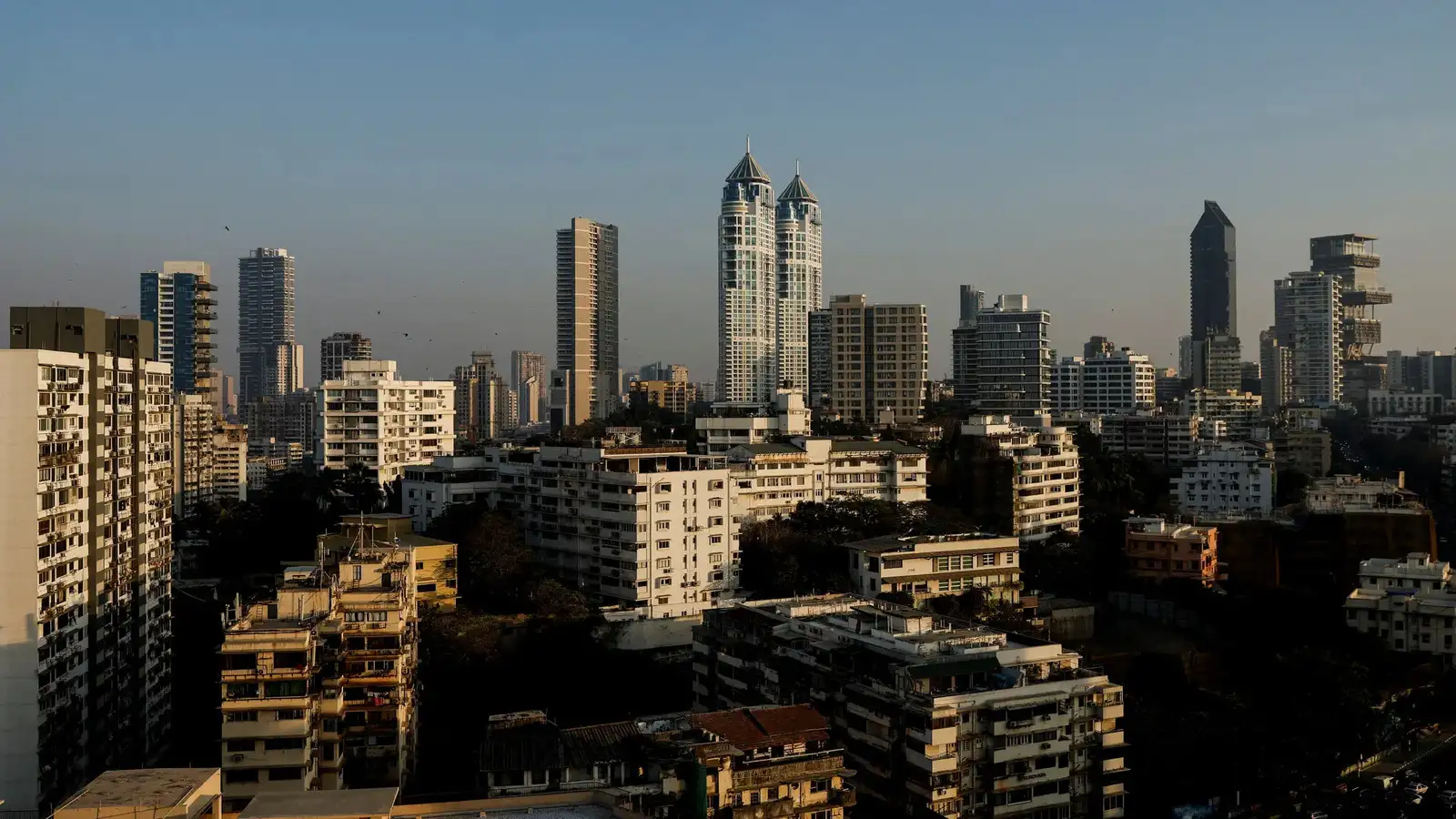
Mumbai’s western suburbs are witnessing a quiet but consequential shift in residential development, where credibility, delivery discipline and neighbourhood-scale projects are increasingly shaping buyer decisions. As housing supply tightens in well-connected locations, developers with long operating histories and consistent execution records are gaining renewed relevance in the city’s residential landscape.
Across suburbs such as Borivali, Malad and Andheri, redevelopment-led housing has become the dominant mode of urban renewal. With limited greenfield land available, projects are now expected to balance construction efficiency with community integration, infrastructure readiness and long-term habitability. Urban planners note that this transition places greater emphasis on developer reliability rather than sheer project scale. Industry observers point out that legacy developers particularly those active in western Mumbai for decades have benefited from this environment. Their familiarity with local planning regulations, rehabilitation processes and neighbourhood dynamics allows them to deliver mid-sized residential projects that align with civic infrastructure capacities. This model contrasts with speculative high-density construction, which has often struggled with execution risks. In Borivali, one of Mumbai’s most densely populated yet stable residential zones, redevelopment projects are increasingly focused on optimising liveable space rather than maximising unit counts. Developments in both Borivali West and East reflect a growing demand for practical 2BHK and 3BHK homes located near transport corridors, schools and healthcare facilities. Analysts say this preference is driven by end-users rather than investors, offering greater price stability to the micro-market.
Malad presents a different but complementary dynamic. As a suburb bridging residential neighbourhoods and employment hubs, housing demand here is shaped by daily commute efficiency and social infrastructure access. Projects in Malad West and along arterial roads are being designed with moderate density, efficient layouts and improved environmental performance, responding to post-pandemic expectations around ventilation, natural light and community spaces. Andheri East, meanwhile, represents the next frontier of redevelopment pressure. Proximity to metro lines, business districts and the airport has intensified demand for housing that can support a professional workforce without overburdening local infrastructure. Urban development experts emphasise that successful projects in this zone will need to integrate traffic planning, energy efficiency and construction compliance from the outset. From a broader city-planning perspective, these patterns highlight a shift towards responsible residential growth. Rather than headline-grabbing mega-projects, Mumbai’s housing market is increasingly shaped by incremental, trust-led development that prioritises delivery certainty and neighbourhood compatibility.
As Mumbai continues to balance population growth with climate resilience and infrastructure constraints, such development models are likely to play a critical role. The city’s residential future may depend less on how much is built, and more on who builds it and how consistently they deliver.
Also Read: Mumbai Bandra Records Landmark Ultra Luxury Home Sale
Mumbai Residential Growth Driven By Credible Developers
