


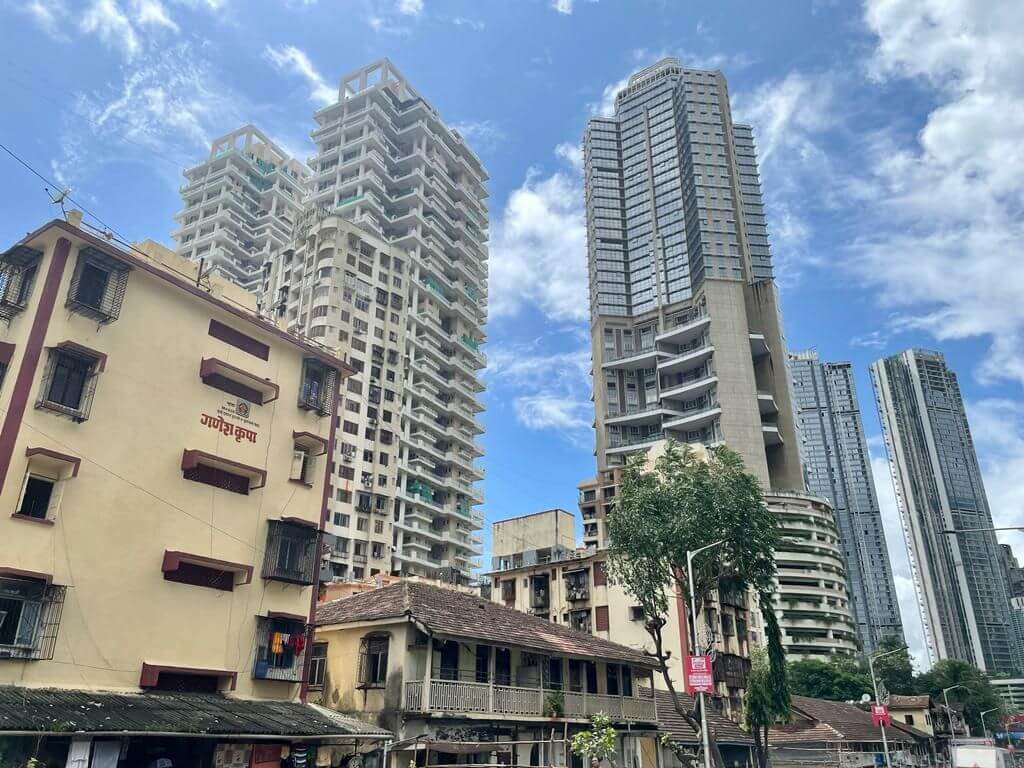
Construction activity has commenced on a new residential redevelopment project in Mumbai, signalling steady momentum in the city’s mid-scale housing pipeline even as developers remain cautious amid cost pressures and uneven buyer sentiment. The project, located within the Mumbai metropolitan region, is expected to add more than 200 residential units to the city’s housing stock over the next few years.
The development is being undertaken by a listed real estate company with a growing presence in redevelopment-led housing, a segment that has become central to Mumbai’s urban renewal strategy. With greenfield land scarce, most new residential supply in the city now emerges from rebuilding ageing structures into higher-density, regulation-compliant housing. Industry observers note that projects of this scale neither ultra-luxury nor mass housing play a critical role in stabilising neighbourhoods while improving safety, energy efficiency, and infrastructure capacity. Mid-sized developments also tend to align better with Mumbai’s planning constraints, enabling faster approvals and phased construction. The new project is expected to deliver a mix of compact and mid-sized homes, reflecting persistent demand for efficient layouts rather than large floor plates. According to urban housing analysts, this configuration is consistent with broader trends across Mumbai, where households increasingly prioritise affordability, location, and connectivity over sheer size. Compact units also support lower material consumption and operational energy use, an important consideration as cities work toward climate-resilient housing outcomes. Redevelopment projects typically involve complex stakeholder coordination, including existing occupants, municipal authorities, lenders, and contractors.
Experts say construction starts are therefore a meaningful indicator of project viability, particularly in an environment marked by volatile input costs and tighter financing conditions. Beginning work suggests that approvals, funding, and rehabilitation commitments have reached a level of certainty. From a civic perspective, incremental additions to housing supply help reduce pressure on informal settlements and ageing buildings that pose safety risks. Mumbai has witnessed repeated incidents linked to structurally unsound properties, making redevelopment not only a market-driven activity but also a public safety imperative. Newer buildings are required to comply with updated fire safety norms, seismic standards, and water management regulations. Market analysts caution, however, that execution quality and delivery timelines will be critical. Buyers and rehabilitated residents alike have become more discerning, with delays and cost overruns increasingly affecting developer credibility. In recent years, regulatory oversight has strengthened, pushing companies to demonstrate transparency and discipline rather than aggressive expansion. The commencement of this project also reflects a broader pattern of measured growth among smaller and mid-cap real estate firms. Rather than launching multiple large projects simultaneously, many developers are focusing on fewer sites with clearer execution pathways, aiming to preserve balance sheets while responding to genuine housing demand.
As Mumbai continues to rebuild itself block by block, such projects underscore the city’s slow but necessary transition toward safer, denser, and more efficient urban housing. The challenge ahead will be ensuring that redevelopment translates not just into new units, but into more liveable, resilient neighbourhoods.
Also Read: Mumbai society turns housing economics upside down
Mumbai residential construction gathers early momentum
